

Counterpoint
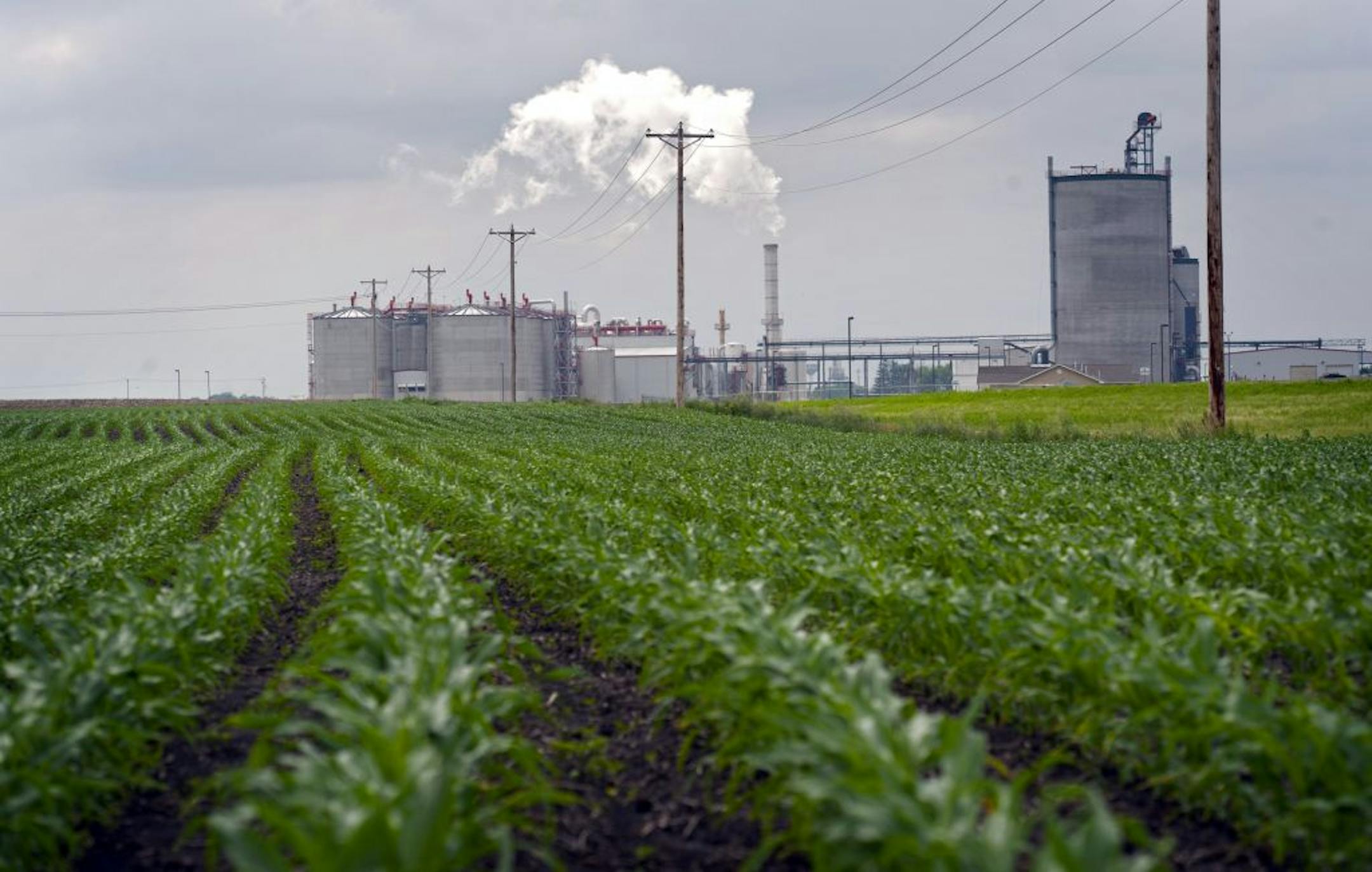
A commentary about corn ethanol published in the Star Tribune this summer was disappointing ("Too much corn is being wasted as fuel," Aug. 12). It failed to make appropriate comparisons and to provide important context.
The author -- Prof. Jason Hill, McKnight land-grant professor in the department of bioproducts and biosystems engineering at the University of Minnesota -- criticized ethanol's supposed negative air-quality effects, but did not mention that gasoline contains carcinogens. Ethanol is not carcinogenic.
He criticized the supposed impact of ethanol on food prices, but did not mention how increased ethanol supplies reduce petroleum prices and thereby hold down a major cost of food production: the cost of oil. He stated that it takes nearly as much energy to produce ethanol as is released when ethanol is burned, but not that we get more than 20 times as much liquid fuel energy from ethanol than is contained in the oil required to make ethanol.
I could go on. Ethanol from corn is certainly not perfect. No fuel is. But if we are to overcome our oil dependence, we need better comparisons between our fuel alternatives.
Perhaps most disappointing was Hill's call for rethinking our biofuels policy. If we reopen the renewable fuels policy discussions, then billions of dollars of capital investment that might otherwise flow into petroleum alternatives (and provide many jobs) will simply sit on the sidelines waiting for the policy issues to be resolved. Achieving our national goal of energy security will be further delayed. Instead, we will continue the status quo of oil dependence, with all of its terrible consequences for our economic security and environmental security.
Why is this important? Because our economy runs on energy: mostly coal, natural gas and especially oil. These energy sources are not renewable. World oil production peaked in 2005, and oil prices spiked shortly afterwards. High oil prices have contributed strongly to our current economic problems.
We know that energy use creates wealth. Energy consumption also improves health and educational opportunities. Thus our health, wealth and level of education are at risk as nonrenewable energy supplies are depleted or become unaffordable. Renewable energy is thus not just a "nice idea." We absolutely must develop it if we wish to have long-term, sustainable wealth and also the improved health and education that prosperity brings.


