

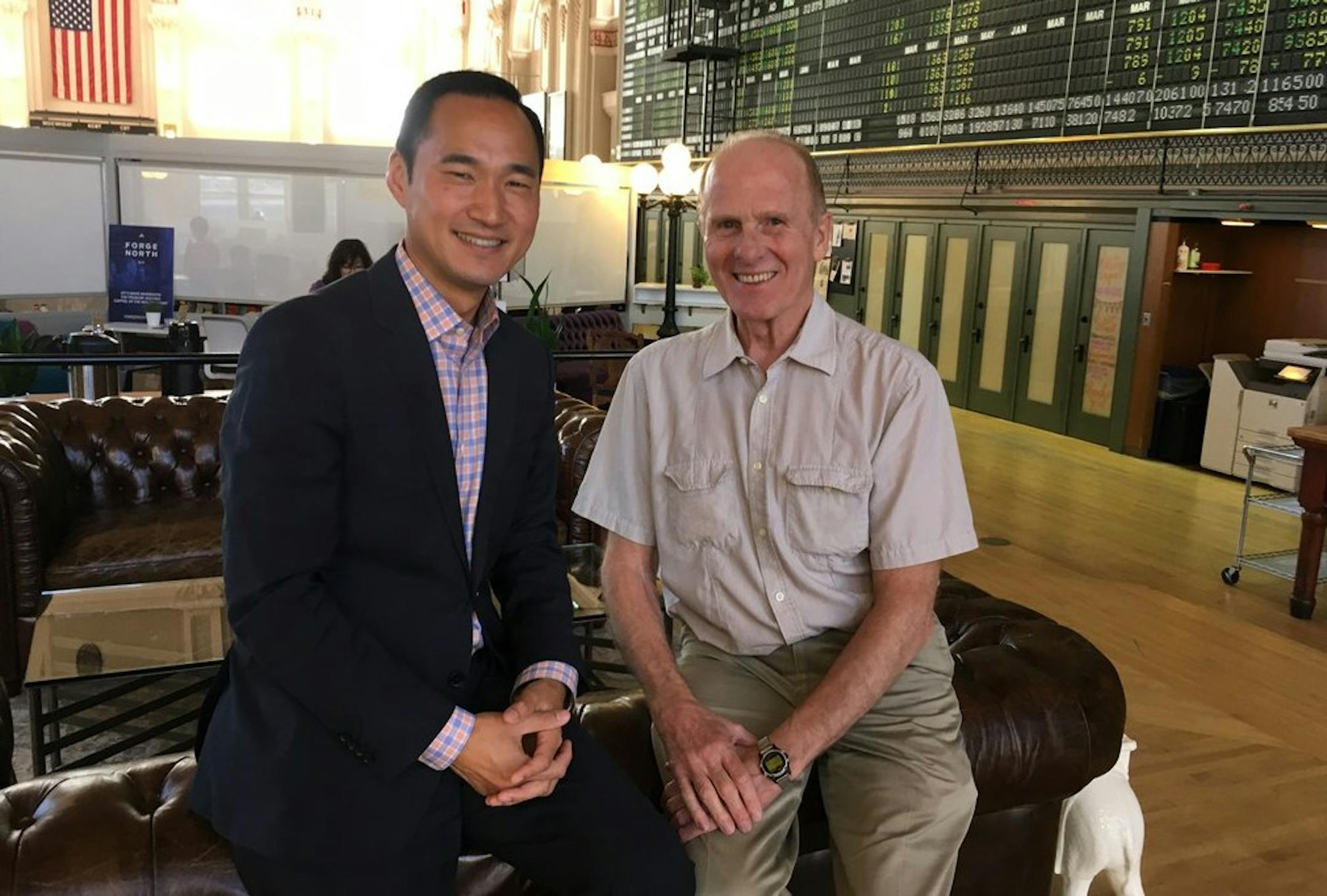
John Dunlop, engineer and energy consultant, is a 45-year pioneer of the renewable-energy movement in Minnesota. He also was the chairman of the recent national conference of the American Solar Energy Society (ASES) in Bloomington that drew 300 energy experts and others focused on "ramping up the use of renewable energy to attack the climate crisis." Gregg Mast, a business veteran and CEO of Clean Energy Economy Minnesota, also addressed the conference. This conversation is edited from prepared remarks and an interview.
Q: John, what was the upshot of the conference?
A: Urgent action is needed using renewable energy to eliminate carbon emissions from electrical generation and transportation and new buildings … within just two decades. We need to ramp up production of renewable electricity immediately. That will require support from elected officials at the national, state and local level to provide guidance to transform our electric supply system.
Q: Any other challenges?
A: The biggest impediment to massive investments by businesses to increase the generation of renewable electricity was recently covered in the Star Tribune by [energy] reporter Mike Hughlett. We need to rapidly expand our ability to get electricity from where it will be generated to where we use it. We need transmission … to expand the generation of very low-cost electric power from wind and solar installations.
Q: Minnesota and Upper Midwest utilities will study how to bolster transmission networks to meet aggressive renewable-energy goals. They are focused on a safe, reliable, cost-effective electric grid as the system adds more carbon-free energy. What else, John?
A: I attended the celebration of Minnesota's first wind energy "repowering" project near Lake Benton [this month]. NextEra Energy has removed 173 600-killowatt turbines on 50-meter towers that were installed in 1998 and will replace them with just 44 2.5 MW turbines on 90-meter towers. They will generate more electricity from the same generating capacity. We heard from NextEra, Xcel and county officials that further wind development in Lincoln and Lyon counties is inhibited because of transmission constraints. The challenge to quickly convert our entire electric system to no-carbon electricity is large. The business and job-creation opportunities are equally large.
Q: Did this come up at your conference?


