

A Minnesota law that would place new licensing requirements on radon-remediation companies could go to trial this spring after part of the law was blocked for more than a year when the industry sued, claiming that the regulations could put them out of business.
Radon, a colorless and odorless gas that can seep from the ground into houses, is the second leading cause of lung cancer. Until last year companies that measure for radon or perform radon mitigation in Minnesota operated under few state rules.
A 2015 law authorized the Minnesota Department of Health (MDH) to regulate the industry, levying licensing fees and setting standards for training, equipment, reporting and quality assurance. It also gave the agency the power to fine rulebreakers.
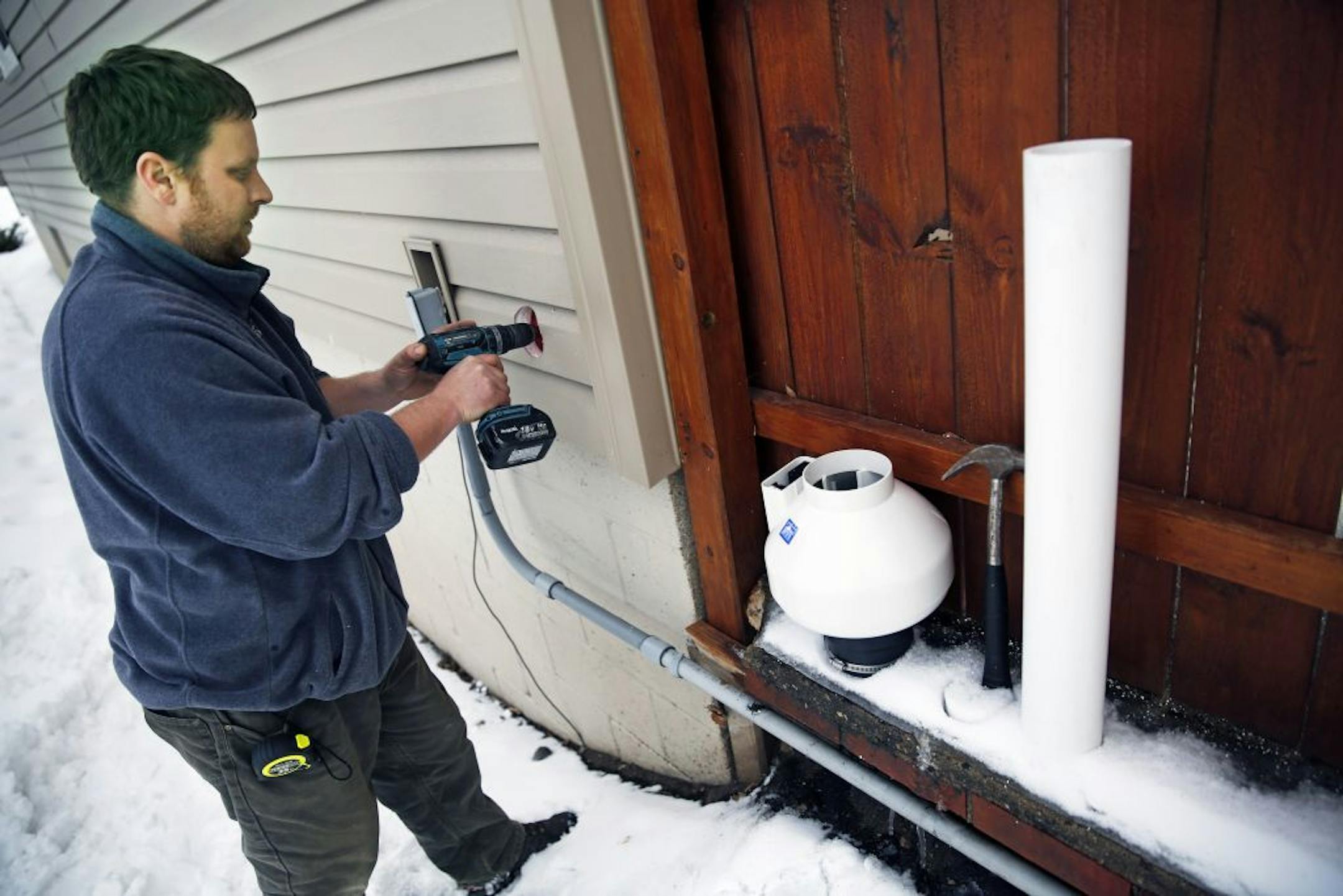
The licensing requirements apply only to companies that provide services to homeowners or businesses. Homeowners don't need a license to use do-it-yourself test kits or make physical adjustments, such as venting radon gas out of the home or closing gaps where radon seeps in.
The Association of Radon Professionals sued in Ramsey County District Court in mid-2018, challenging the constitutionality of the license law and alleging that their due process rights were violated.
"Large portions of the law don't advance consumer safety, they just create a burden on small business owners that is going to drive up the cost for consumers to get radon testing and mitigation performed," said Stuart Campbell, an attorney with Moss and Barnett in Minneapolis, which represents the industry group. Standard Water Control Systems Inc. in Crystal is also a plaintiff.
In late 2018, Judge Richard H. Kyle issued a temporary injunction blocking the licensing requirements for businesses that perform mitigation for residences. But he let stand parts of the law that require regulation of companies that measure the gas in buildings that they don't own or lease. Companies that do mitigation work for businesses and schools are also now regulated.
The state has asked the court to rule in its favor and dismiss the injunction. If that argument is rejected, the case is headed to a trial in late March.


