

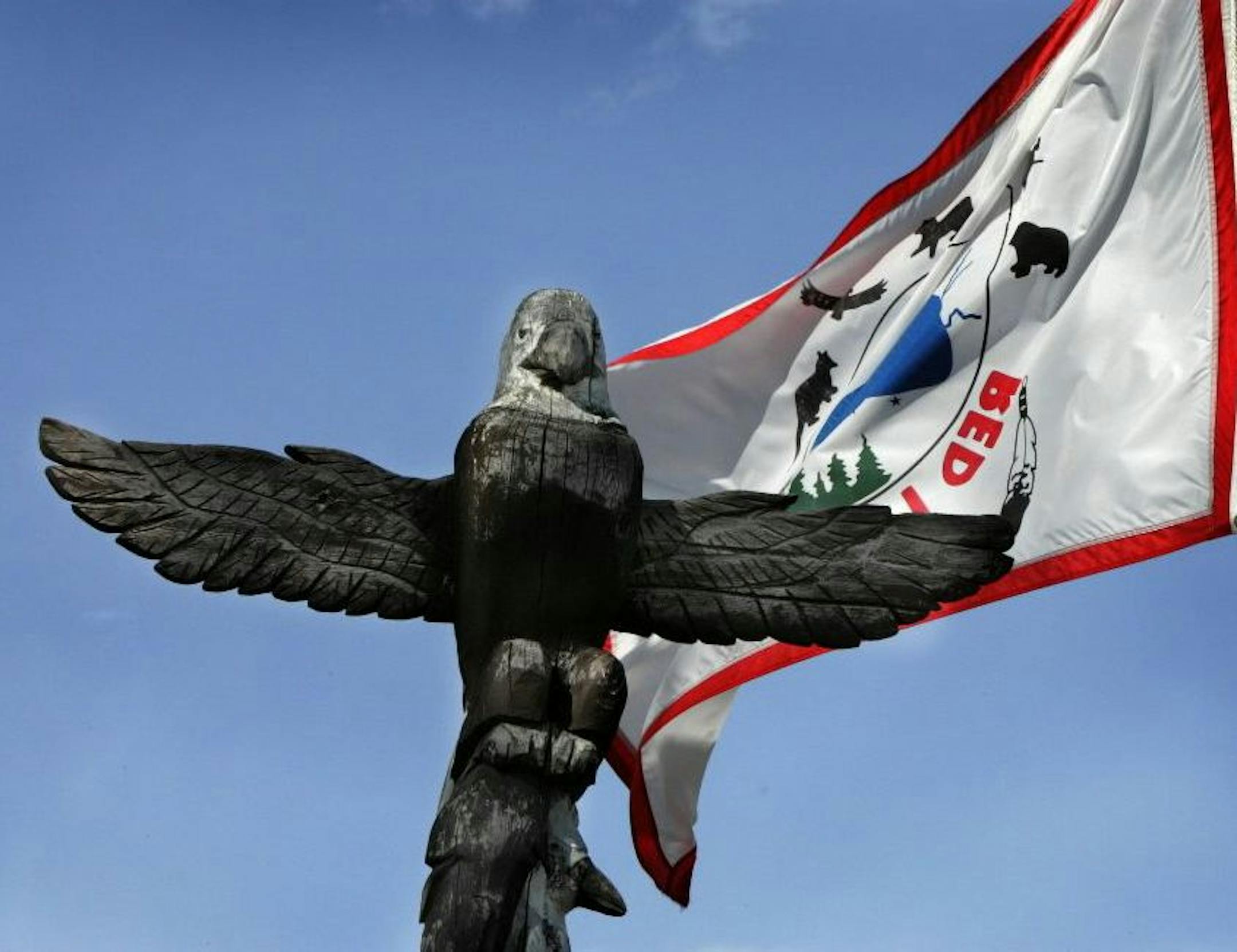
WASHINGTON — The last few years have seen the Red Lake Band of Chippewa Indians reopen a juvenile justice facility that sat empty for a decade, establish a "last chance" school for students on the verge of expulsion, and raise the number of youth screenings for mental health problems, drug addiction and domestic abuse.
Leaders of this northern Minnesota band credit these measures for a 16-month stretch with no suicides among its youth, bucking a persistent crisis that has plagued Indian reservations across the country. The efforts are part of the Tiwahe Initiative, a federal pilot program that faces elimination under President Donald Trump's proposed cuts to the Bureau of Indian Affairs (BIA).
The Tiwahe Initiative — the word stands for "family" in the Lakota language — is "helping our youth have better lives, go to school and stay off drugs," Red Lake Chairman Darrell Seki said in an interview. But he sees those successes under threat: "Our resources for healthy lives for our members are being cut. Every time something goes wrong the tribes are targeted."
The initiative has provided Red Lake and three other tribes, including Spirit Lake Nation in North Dakota, with more financial support to combat domestic violence, promote child welfare, reduce recidivism and create alternatives to incarceration. But Red Lake leaders and allies in Washington fear it could be shuttered under Trump's budget proposal, which proposes reducing the BIA budget by 13 percent, or about $303 million.
Interior Secretary Ryan Zinke, whose agency oversees Indian Affairs, said in testimony to Congress in June that the Republican administration wants the BIA to focus on programs serving the broadest possible audience rather than pilot initiatives. Zinke named dams, irrigation projects, direct school operations and construction as things the administration thinks should take priority.
U.S. Rep. Betty McCollum, who represents the St. Paul area, is the lead Democrat on the House Appropriations subcommittee that oversees Department of Interior funding. The panel has repeatedly discussed reductions for Indian programs in recent months, with both Democrats and even some Republicans raising concern at the level of reductions in Trump's plan.
"The United States has an obligation to protect tribal treaties and resources, and I find it disgraceful that this administration budget turns its back on this duty," McCollum told Zinke at the June hearing. She co-chairs the Congressional Native American Caucus with Rep. Tom Cole, an Oklahoma Republican.
Seki, who testified before the panel this spring, said in his interview that programs benefiting American Indians have too often been an easy target for cuts. "The previous administration [made] cuts and then these cuts are right on top of those cuts," Seki said.


