

It's been two years since the U.S. Army stopped paying cash rewards to people who helped recruit new National Guard soldiers. The trouble caused by PFC payola lingers on.
The Guard Recruiting Assistance Program (G-RAP, in military parlance) helped bolster the ranks at a time when the Pentagon worried about a troop shortage during wartime. Its loose rules and somnolent oversight also contributed to widespread fraud, as civilians and service members who signed up as "recruiting assistants" could not resist an easy $2,000.
The scandal has politicians in Washington howling, Army brass squirming and the Alabama-based private contractor who ran G-RAP, Docupak, promising to help clean up the mess.
Meanwhile, Army investigators have gone after former recruiting assistants who they say collected commissions for new soldiers who enlisted without their help.
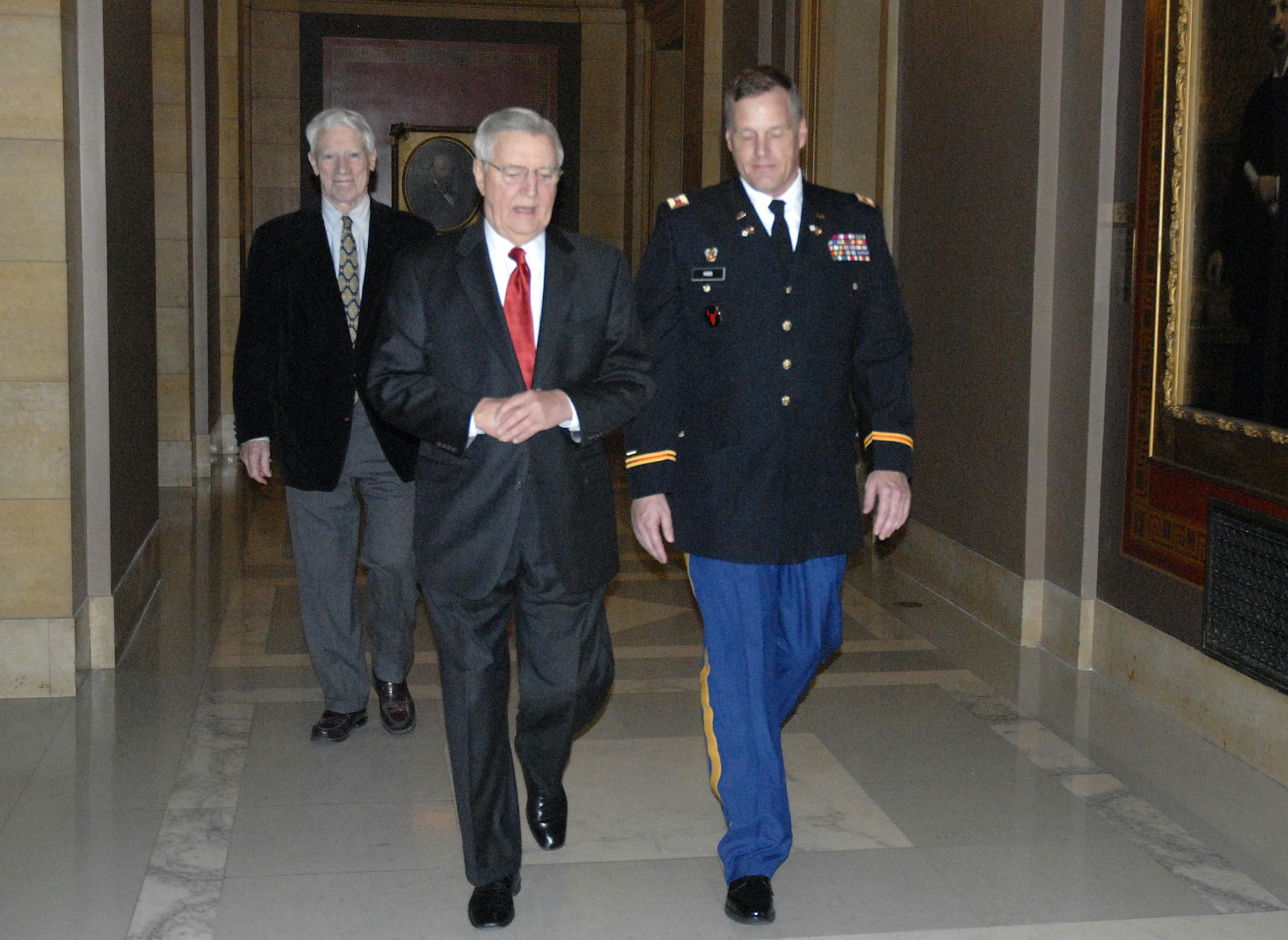
One person caught up in the recruiting investigation, Col. Mark Hodd of Coon Rapids, shows up in a public list of individuals prohibited from receiving federal contracts. To find out more about Hodd, I filed a Freedom of Information Act request with the Army. Three months of pestering later, I received a 58-page PDF from the Army's Legal Service Agency in Fort Belvoir, Va.
The records provide an intriguing window into how this program went astray.
In March 2008, a "potential soldier" identified only as Specialist Berg decided to enlist with the Minnesota National Guard. His Guardsman friend, the "recruiting assistant," stood to collect the bonus for referring him, but made a deal with Berg to split the proceeds — which is illegal.
The enlistee happened to be dating Hodd's daughter at the time. During a visit to Hodd's home, Berg told the colonel that he was joining the Guard and that his friend would collect the cash for referring him.


