

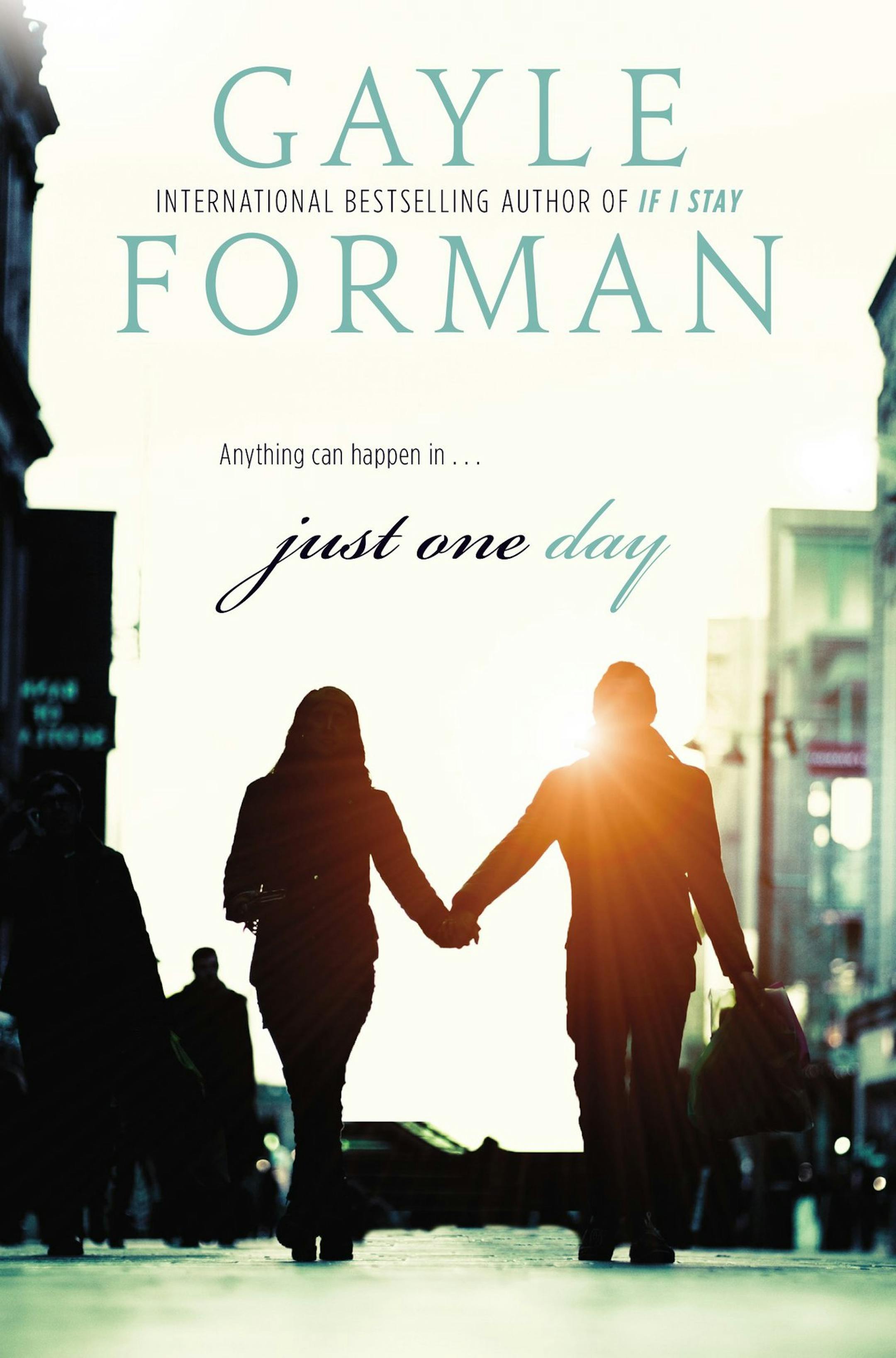
A mother and father in Rosemount were alarmed by what their 11-year-old daughter brought home from school: A novel about how a one-day fling in Paris with a Dutch hunk changed an American teenager's life.
Gayle Forman's 2013 work of fiction, "Just One Day," has received critical acclaim for its depiction of a young woman taking control of her life from overprotective parents. Yet Ben and Kandi Lovin of Rosemount seized on the pages that for them went too far: an f-bomb dropped on page 261, the b-word on page 274, clothes being shed and a condom appearing in the brief sex scene on page 128.
Unhappy with the response from the principal, vice principal, librarian and teacher, the Lovins filed a formal request in October to the Rosemount-Apple Valley-Eagan district to remove the book from the district's middle and high school libraries. "It is a novel that has no life lesson to be learned from at this age level that cannot be learned from any of many quality books available," they wrote.
The life lessons of this episode are many. Books are far more than the sum of their pages. Due process still exists. And librarians matter.
The American Library Association maintains a list of the most frequently challenged books. The top spot, currently, is Sherman Alexie's "The Absolutely True Diary of a Part-Time Indian" (2007), which is the target of censorship campaigns for its frank discussions of sexuality, substance abuse and other touchy stuff.
Forman isn't on the frequently banned list, and her work doesn't typically spark much controversy. She declined to comment for this column. But she did weigh in on the issue of banning books in 2013, when the Anoka County schools and libraries rescinded an invitation to author Rainbow Rowell. Rowell's book "Eleanor & Park" was denounced by some Anoka parents for profanity and sexual content.
"Censorship in general flummoxes me," Forman wrote on her blog. "You don't like a book, don't read it. You don't think it's right for your kids, tell them not to read it. But to ask for it to be removed from a library? It makes no sense to me."
On Dec. 3, the Lovins sat down in a meeting room at District 196 headquarters in Rosemount. They faced a committee convened to decide whether Forman's book would be yanked from the shelves. They were two teachers, five parents, a high school student, a secondary principal, a middle school media specialist and a high school media specialist.


