

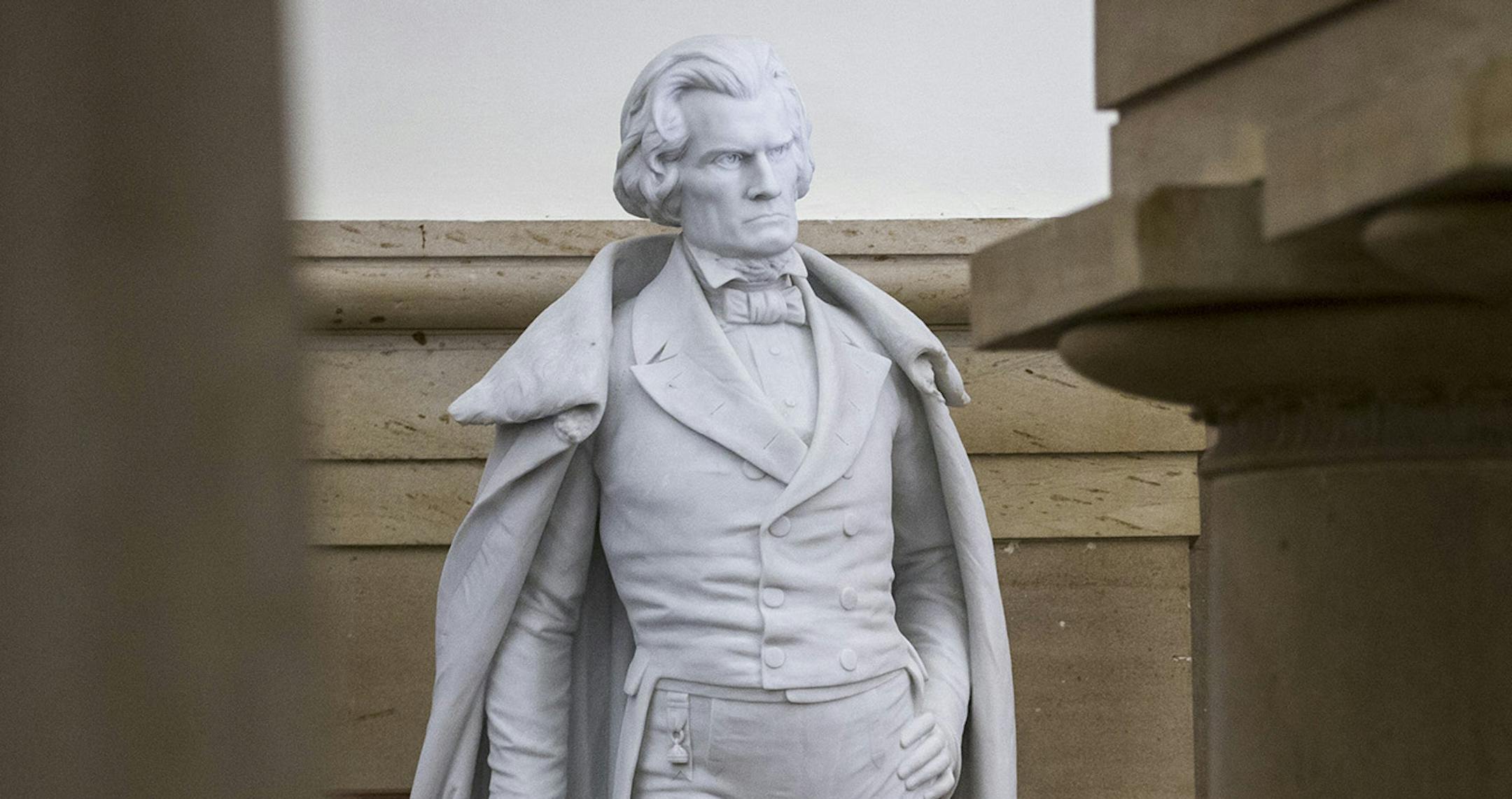
Regarding "Rename Calhoun Lake Maka Ska" (editorial, Oct. 23): More research is needed about John C. Calhoun, as even the liberal John F. Kennedy, in 1957 as a U.S. senator, chaired a committee that ranked Calhoun the fifth-greatest senator of all time. Calhoun's theories in his famous disquisitions are still revered by political scientists today as brilliant writings that can be used by liberals and conservatives with respect to nullifications of laws by states. His legacy need not be stained by renaming lakes, as it will only lead to whoever is in power deciding on what names are appropriate and what are not. Look at all the Native American names we have all over Minnesota — thousands of cities, lakes, counties, rivers. Now, I will not lose any sleep over the name of a lake in Minneapolis, but it is just silly. Yale University, cited in support for stripping Calhoun's name from one of its residential colleges, has a bit of a problem; its founder was a big-time slave owner. But it just will never end if we keep changing names. A hundred years from now, will we be changing names for anyone who supported or for that matter opposed abortion, gay rights, animal rights, global warming?
No doubt the support of slavery will always be a hot button. But it was legal before and after the founding of our country. John Calhoun cannot be held responsible for the position he took in 1850, which was a popular though not a majority position in its time.
William G. Cottrell, Mendota Heights
• • •
Mount McKinley is now Denali, but we still know that it's a mountain.
Lac qui Parle doesn't use the English word for lake, but we still know that it's a lake.
But somehow when we use the Dakota word for lake that sounds like another French word to some, people won't know that it's a lake or think it sounds funny?
I question if anyone will have a hard time "finding" Bde Maka Ska, as the Oct. 23 editorial suggests, and if geographic names should be functional, let's get those others corrected before our civilized society falls apart from the chaos this would create!
Harvey Zuckman, Minneapolis
THE ENVIRONMENT
See the dots and refuse to connect them: That's our EPA
The Oct. 21 article "Pollution kills more than war, hunger" tells of a scientific study about how air and water pollution has a negative impact on the health of people around the world. But the article below it, "EPA scrubs climate-change links from website," explains that many links to longitudinal scientific research and key resources have disappeared from the current administration's Environmental Protection Agency website. This means that American citizens and policymakers do not have the critical information collected over many years to inform their thinking and policymaking related to climate change. Why this reversal related to the publishing of science research?


