

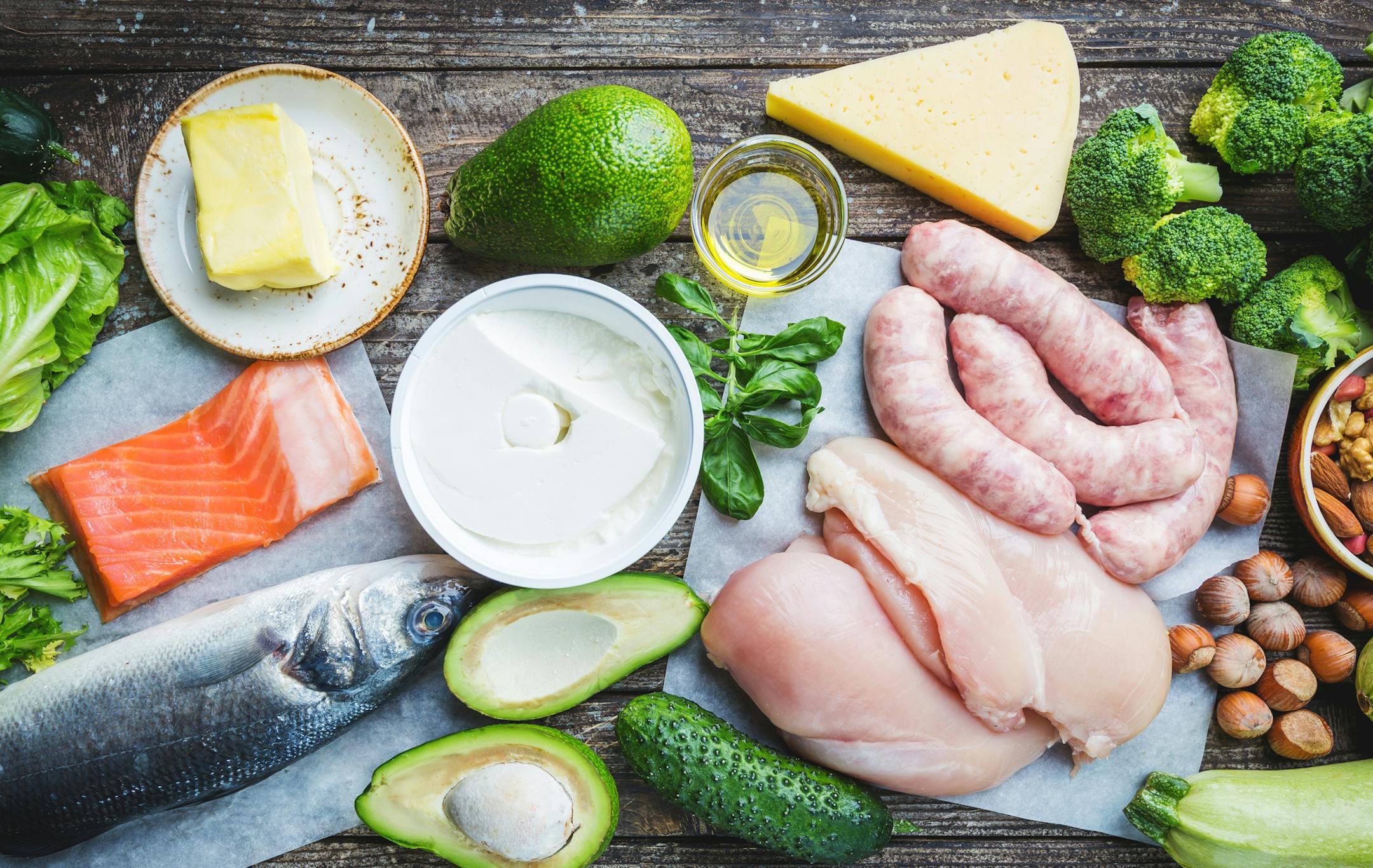
There may be health risks in "The risk-reversal diet" (Opinion Exchange, Feb. 24). Indeed, research points to carbohydrates for the rise in obesity and Type 2 diabetes, but the suggestion of a LCHF (low-carbohydrates, high-fat) diet is unwarranted. If we suddenly switched to fat, perhaps then fat would become the primary culprit in the long run, and we would be back where we started. "It's still unclear how the higher amounts of animal protein and fat in the Atkins diet affect long-term health," according to WebMD.
There's nothing new here. The Atkins LCHF diet was a fad in the 1960s, but the Mayo Clinic website states that "over the long term, though, studies show that low-carb diets like the Atkins Diet are no more effective for weight loss than are standard weight-loss diets and that most people regain the weight they lost regardless of diet plan."
Furthermore, eliminating carbohydrates may be throwing out the baby with the bathwater. The real culprit is refined carbohydrates. The Mayo Clinic website states that "studies also have shown that high-fiber foods may have other heart-health benefits, such as reducing blood pressure and inflammation. … A healthy diet that includes insoluble fiber may also reduce the risk of developing type 2 diabetes." So there is a potential downside to restricting carbohydrates, the only source of fiber. We should just avoid refined carbohydrates, those with fiber and micronutrients removed, and use whole carbohydrates.
Bill Hamer, Apple Valley
• • •
Is it any wonder we are confused about how to maintain our health? On the front page of the Opinion Exchange section last Sunday, an article by Paul John Scott makes a lengthy and compelling case supporting a low-carb, high-fat diet to avoid and reverse diabetes. Scott advises no more than 10 percent of daily calories from carbohydrates and 70 percent from fat, while avoiding "bread, pastry, pasta, potatoes, juices and sugar." When I finished the opinion section, I picked up Science & Health and found another cover story on food — this one headlined "Eat healthier, heal the planet." This one recommends a diet of the equivalent of 1 tablespoon of red meat a day and 35 percent of daily calories from "whole grains, including rice, wheat and corn, and starchy tubers like potatoes and cassava." I read the Star Tribune every day to keep informed, but sometimes I wind up confused.
Dave Kostik, Richfield
• • •
Several years ago, trying to lose weight because I was nearly obese and my cholesterol was too high, I had joined one, then another weight loss support group. Together we struggled, trying to follow government recommendations as well as medical ones that told us to eat a low-fat, calorie-restricted diet recommending a lot of whole grain carbohydrates. Most of us were not succeeding. Doing research on my own, I decided to try a higher-fat, low-carbohydrate diet. At the same time, I had a medical problem that involved a lot of testing. I not only saw my weight go down easily, but my total cholesterol went down and HDL went up — just the opposite of what my doctor said would happen if I ate eggs and butter. I have easily kept my goal weight in the last couple of years, never going hungry, but avoiding grains and sugar.
There is only one disagreement I have with the "risk-reversal diet" article. It seems to imply that we followed some culturally errant ideas about what we should be eating, rejecting diets from our parents' or grandparents' days. Most of us tried faithfully to follow diets directed by the medical system or government recommendations. We followed what we thought people who knew better than our elders, government people or academics who had more scientific background. This low-fat, low-calorie diet didn't just breeze around the culture like a popular fad.
Hopefully, more people will change their diet as these people did and improve their health. This in turn will lower society's medical costs.

