

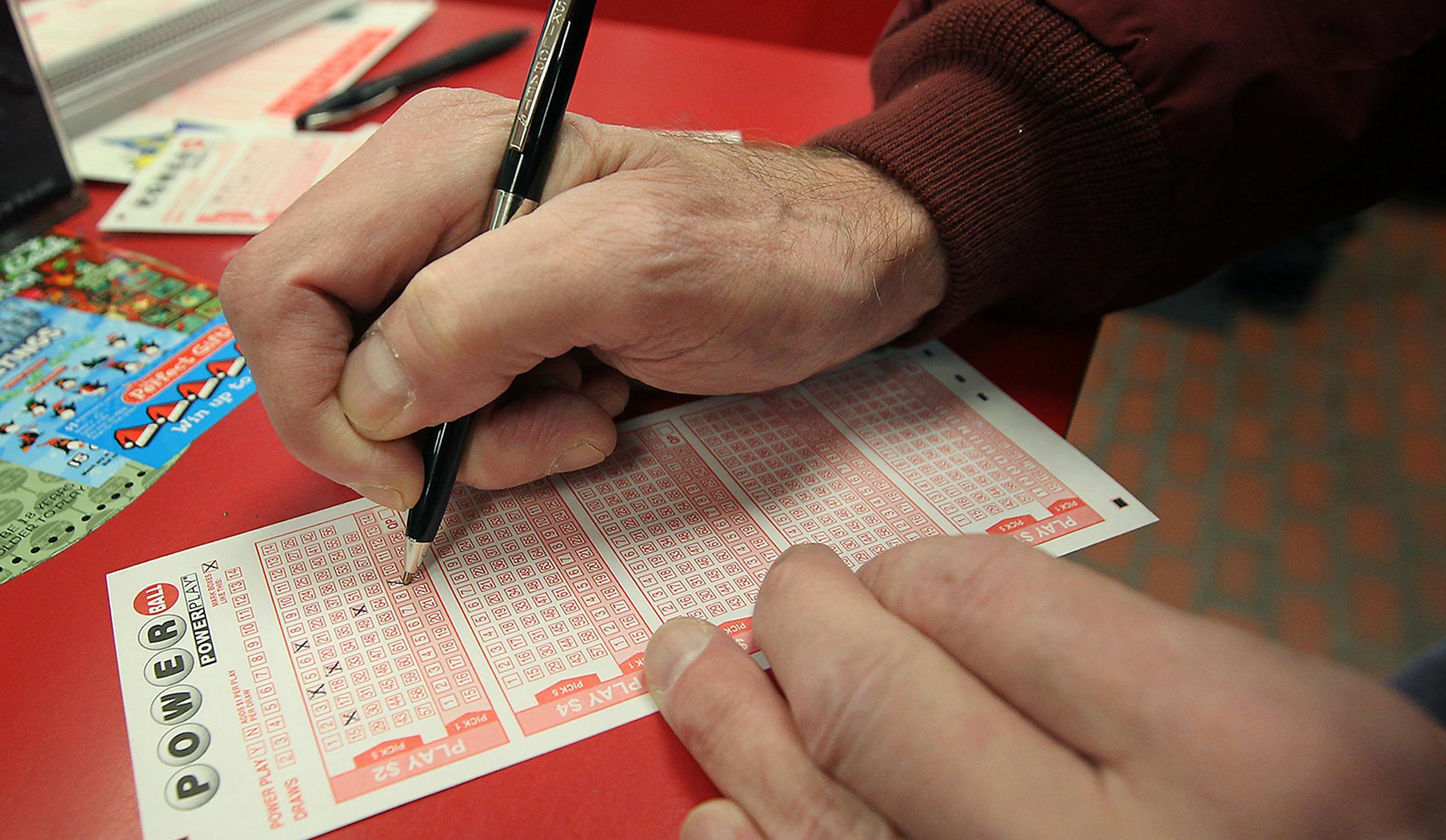
The June 12 headline "$1M Powerball lightning strikes again in tiny Carlton" had me wincing. Of course, you know the odds of being struck by lightning are much higher than winning the Powerball, but the imagery must have been too easy. Powerball stories should include the actual odds of winning the Powerball compared with other possible events your dear readers could encounter. According to CNN, the odds of winning January's $445 million pot were 1 in 302.6 million. That's 2,000 times less likely than being killed by a lightning strike or an earthquake.
Kevin J. Yellick, Minneapolis
IMMIGRATION
The 'toxic stress' of separating children from their parents
The June 12 editorial "Using kids as pawns at border must end" was spot-on. This policy could affect the development of these children's brains and bodies.
Young children cannot survive without the care of adults. Throughout human evolution, children who had parents to look after them were more likely to live. This led to the evolution of a whole neurobiology that motivates young children to keep their parents close. Called "attachment," it includes a child's "joy of being together" and separation stress. This biology makes young children fight when they are taken from their parents, especially when this happens under frightening circumstances, ultimately leading to anguish and grief if the parent is not returned.
When the neurobiology of attachment keeps parents and children together, it supports the development of healthy brain architecture. When children are torn from their parents for prolonged periods, it can create "toxic stress." Toxic stress lowers the threshold for triggering the fight/flight response and impairs our ability to control our behavior so we can act responsibly and avoid temptations. Worse, toxic stress during brain development impairs our brain's reward circuitry so we need stronger inputs in order for us to feel good, increasing risk for substance abuse.
While not all of the children will suffer the full consequences of toxic stress, many may. This is a high price for them to pay. We need to stop this practice and reunite families so children can begin to heal.
Megan Gunnar, Minneapolis
The writer is director of the Institute of Child Development and associate director of the Center for Neurobehavioral Development at the University of Minnesota.
U.S.-NORTH KOREA SUMMIT
The hypocrisy of Trump haters appears to have no limits
Before President Donald Trump met with Kim Jong Un at the recent historic summit, he was attacked for having disparaged the North Korean leader when he referred to him as "little rocket man." Now that he has met Kim and begun negotiations aimed at denuclearizing the Korean Peninsula, he is being vilified for having met with and for saying nice words about a cruel "despot."
The hypocrisy in the Trump haters' about-face, without which they might have to acknowledge Trump's meeting with Kim as a good beginning toward avoiding nuclear war, is clearly apparent. But what about the substance of criticizing Trump for negotiating with a leader on the grounds that he has engaged in cruel and murderous conduct toward his own people, and for failing to raise questions about human rights during that meeting? Where was this attack when President Barack Obama negotiated the Iran deal with a regime that sponsors terrorism and murder around the world, represses its own people and is largely responsible in the killing of a half-million civilians in Syria? That didn't stop the Democrats and the media from applauding that deal. And why is Trump's meeting with Kim "Chamberlain-like," as some writers claim (Readers Write, June 13), yet Obama's Iran deal is a "historic success"? In comparing these meetings with "despots," consider this fact: Iran does not yet have a nuclear arsenal to threaten us with, while North Korea has sufficient weaponry to wipe out at least three of our cities. Who is the biggest danger?


