

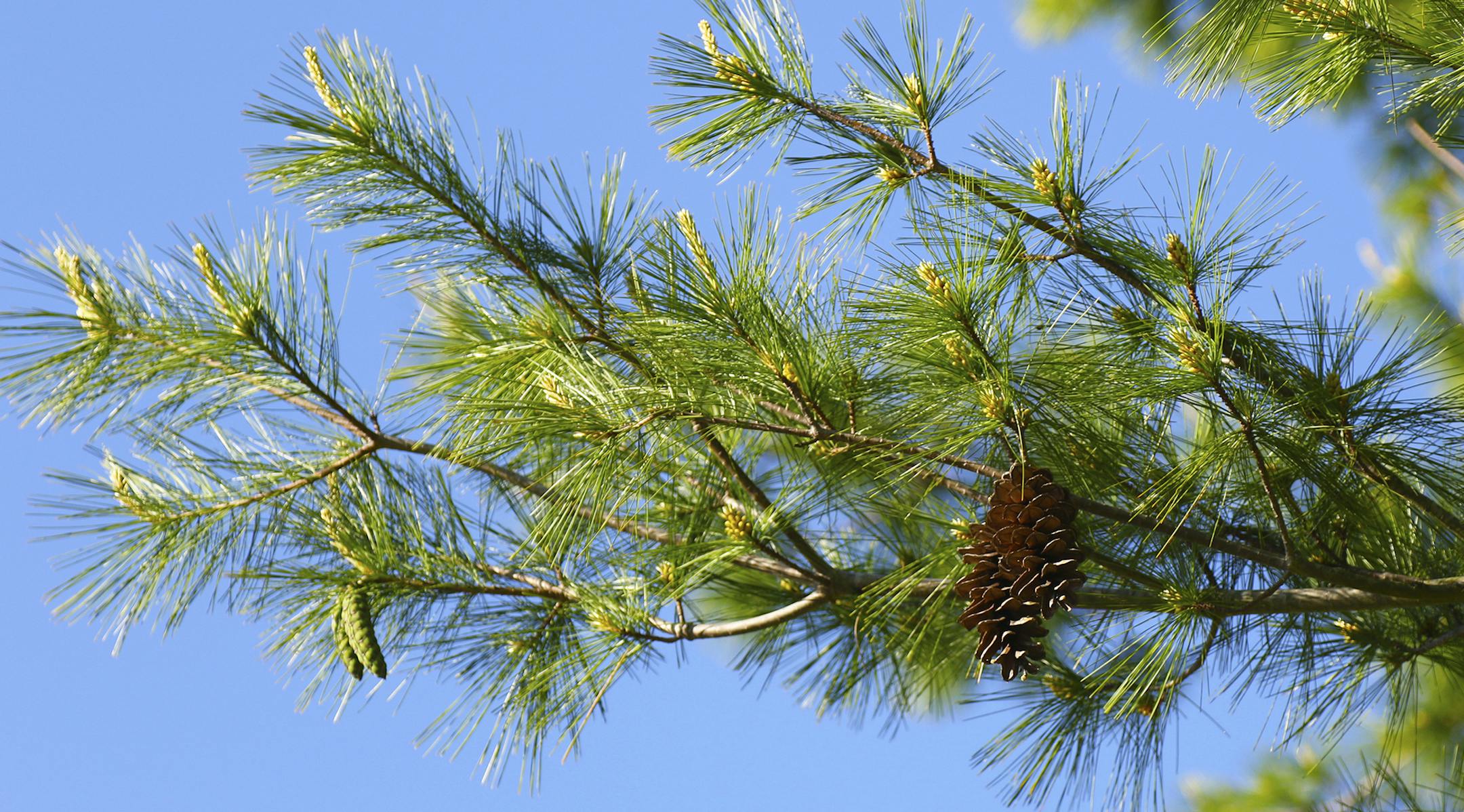
Think of it! A museum of pine trees! ("Green bulwark vs. climate change," May 24.) That's what we'll leave our grandchildren, because the warming of Minnesota is driving out our glorious cold-loving pine trees. Red maple and grass will fill in as the pine trees leave, and Minnesota will look a lot more like Kansas. Yes, Kansas. Not some future dystopia. It's happening today. But we are planting a few spots with pine trees (museums of pine trees) so our grandchildren can see what Minnesota looked like back when their grandparents didn't love the pine trees enough to clamor for change. Clamor, folks, if you love a pine tree.
Barbara Draper, Minneapolis
• • •
In the 40 years since obtaining my forestry degree from the University of Minnesota, the attitudes of science have changed. In the May 24 article, we learn that some scientists are driven to ignore the reality of nature. Evidently, climatological history isn't taught anymore, or worse, is being ignored. Pine species are the "climax," or last species, in the northern part of the state. However they are removed, there is a natural sequential order as the area regrows. The area comprising Minnesota has seen momentous upheavals with glacial periods, cold and warm climates. The intended helping hand of the Nature Conservancy in planting "cold hardy" pines in the face of a presumed warming climate is symbolism over substance. The forces of nature will dictate what grows and what dies.
Are these well-intended "scientists" able to create a cold micro climate in those areas, too?
Unfortunately, misguided efforts like this give the impression that man knows best and can alter natural succession. Long-term, you cannot redesign nature as if you were redecorating a room. Nature will deliver a harsh critique.
Joe Polunc, Cologne
AGING, TEACHING
Here's what I can add to recent discussions in the letters
I should like to respond to two letters published May 23. I am, to begin with, goodness knows how old — and I'm not telling.
In reference to the letter concerning the death of Roger Ailes as it related to a fall, this same thing has happened to me during the last four calendar years. I am fortunate in the sense that it did not precipitate resulting fatal injuries, but it could have. Each fall occurred because of ice buildup on city streets and sidewalks. Enough said!
In reference to the letter concerning teaching, the writer questioned why "the best and the brightest" do not enter the profession. Well, that's easy. Beginning teacher salaries are at the low end of the salary scale, and, in order to someday earn a professional salary befitting their education, professionalism and experience, educators new to the profession must first gain seniority. This involves three consecutive years of successful teaching in a given school district, with the hope that at the end of the first and second years there is a blue contract, leading to a continuing contract at the end of the third year. If this "best and brightest" prospective lifetime educator wishes to rise in the profession and gain tenure, he/she must take continuing education courses to advance in steps up the salary schedule resulting in periodic raises in salary.


