

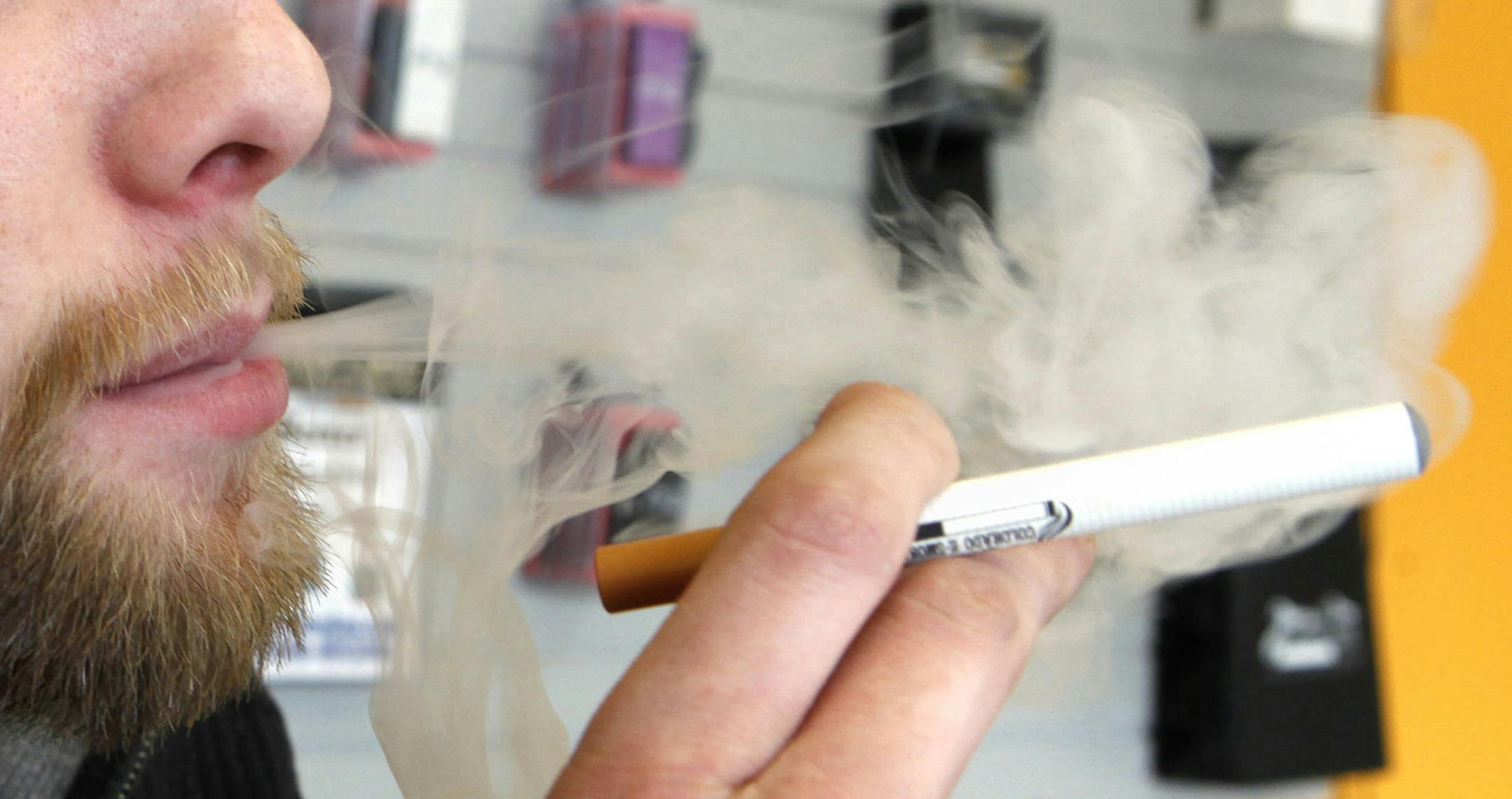
Vapor technology has had an incredible, positive effect on my life. When I was 16, I started smoking. After a few years, I had developed a pack-a-day habit. I always knew the habit was harmful to my health, but it was such a difficult one to break. After this habit continued well into my 20s, I noticed dramatic changes: I got winded after doing minimal physical activity; foods lost their taste, and my blood pressure was through the roof. Doctors I consulted suggested that I take medication to correct my high blood pressure. Instead, I chose to explore other technologies that had helped others give up their smoking habits. I chose vapor. I began vaping when I was 26, after 10 years of smoking cigarettes. I have been vaping for three years now, and I am so pleased that my health is back to normal. Vapor technology is not a tobacco product; it is an innovative technology that has led many people to give up a very harmful habit. Regulations being considered in Washington would have far-reaching, negative effects on the vapor industry. I urge our Minnesota delegation to stand up for healthier options and to represent the small and midsize vapor companies across our state by opposing overregulation of an industry that has the ability to grow and help countless others like me.
Dustin Hassett, Minneapolis
PRESCRIPTION DRUGS
Hardhearted economics in need of a humanistic solution
U.S. pharma companies such as Pfizer, Merck and Allergan are experiencing a bull rally. The Nasdaq Biotech Index rose 9 percent within a day of Donald Trump's victory because drugmakers expect a friendlier regulatory environment. Large health insurers Cigna, Aetna and Humana saw gains of 8 to 12 percent, despite rising drug costs, given the pledge to repeal the Affordable Care Act, which they are abandoning for lack of profits.
The debate over high drug costs is tilted in favor of hardhearted economics. Pharma executives contend that their drugs save lives, hence are priced in keeping with their value — although they sell same drugs in other countries at much lower prices. In 2013, the National Health Interview Survey (Centers for Disease Control and Prevention) published a brief titled "Strategies Used by Adults to Reduce the Prescription Drug Costs" that highlighted:
• Eighteen percent of the $263 billion spent on retail prescription drugs in the U.S. in 2012 was paid out of pocket.
• To save money, almost 8 percent of U.S. adults did not take their medication as prescribed; 15.1 percent asked a doctor for a lower-cost medication; 1.6 percent bought prescription drugs from another country, and 4.2 percent used alternative therapies.
• Adults aged 18 to 64 (8.5 percent) were nearly twice as likely as adults 65 and older (4.4 percent) to have not taken their medication as prescribed to save money.
• Among adults 18 to 64, those who were uninsured (14 percent) were more likely than those with Medicaid (10.4 percent) or private coverage (6.1 percent) to have not taken their medication as prescribed to save money.
• The poorest adults — those with incomes below the federal poverty level — were the most likely to not take medication as prescribed to save money.

