

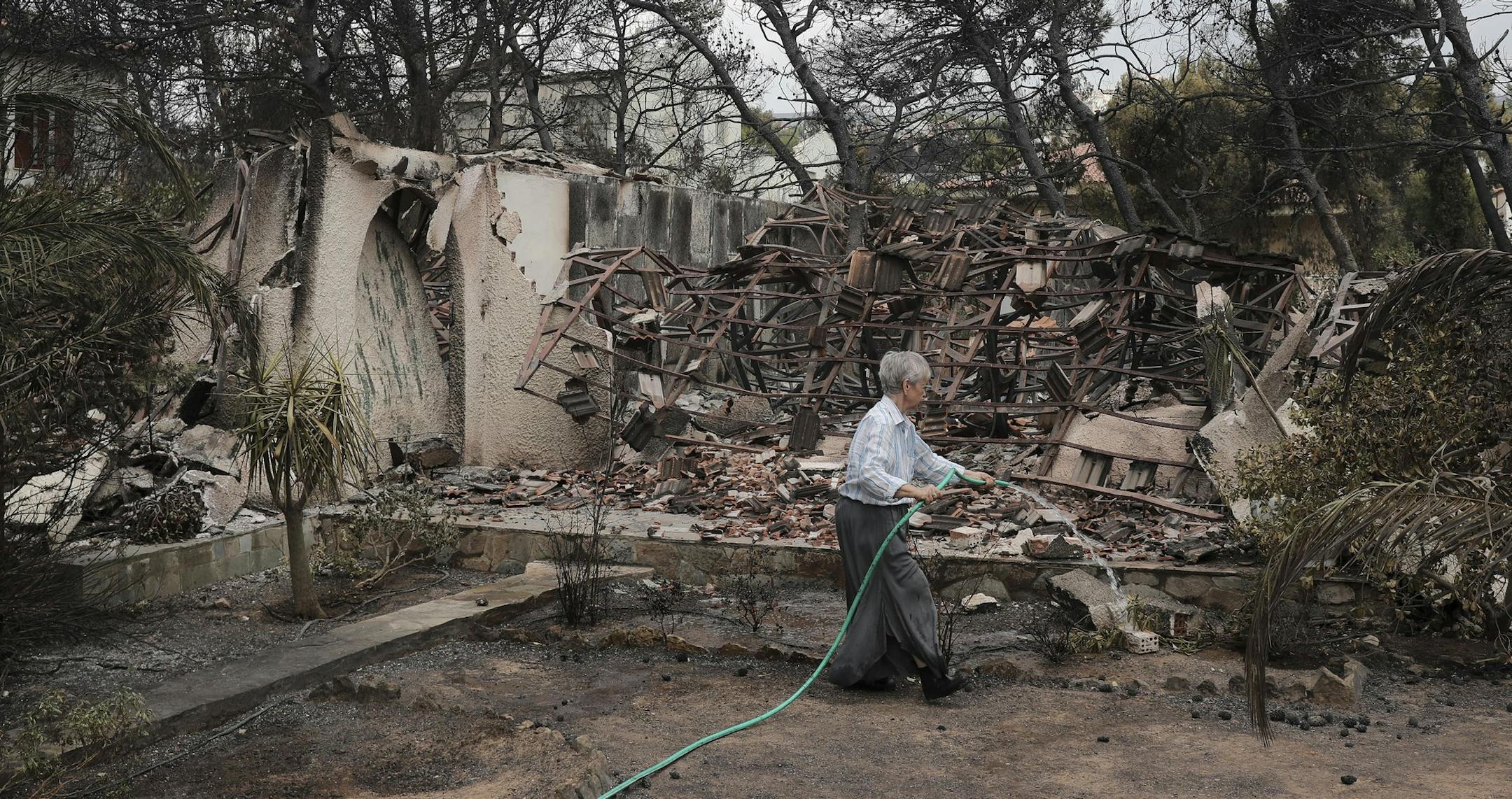
Natural disaster has the potential to affect all on Earth, but those harmed the most are the most disadvantaged. Major news sites are paying close attention to the wildfires of Greece and the collapsed dam in Laos, which have harmed and killed hundreds. We all read these stories but fail to understand the immense damage and contribution of natural disaster on global poverty and instability.
According to a 2016 World Bank Study, disaster forces 26 million people into poverty each year. Those with limited resources to begin with do not have the ability to cope with the harms of the disaster, and global superpowers often are more inclined to help metropolitan areas and wealthier people following a crisis.
People are not pulling out their wallets to help those in need. Peter Singer, a philosopher and effective altruist, explores this phenomenon in his book "The Life You Can Save." Singer argues that people are less inclined to give when they see the cause as statistical instead of helping individuals or if the problem is so great they believe their contribution is futile. No donation is futile. If we all give, even a small amount, we can make a difference. We must also remember the importance of urging our political leaders to support legislation to help the world's poor following disaster. All it takes is a 30-second phone call or e-mail to make your voice heard.
Maija Olson, St. Paul
PRESIDENT DONALD TRUMP
Who knew that farming was so complicated? Or tariffs?
Welcome, farmers! Join the list of those waiting for the Donald Trump magic ("Trump's $12B farm aid gets skeptical response," July 25).
Day 551 of this president's term found the former television personality asking us to "just be a little patient" as he works to solve issues of America's international trade tariffs and the many other gambits he has embarked on: health care, immigration, international relations, gun violence, foreign interference in elections et al. As we wait, crops ripen and could be lost, as well as the overseas markets for those crops.
To paraphrase an earlier Trumpism: "Who knew farming was so complicated?"
Paul Hager, Northfield
• • •
American business pays foreign governments new taxes in the form of retaliatory tariffs; the American taxpayer pays for new subsidies to affected businesses, which either increases the national debt or raises taxes. I just don't get it.


