

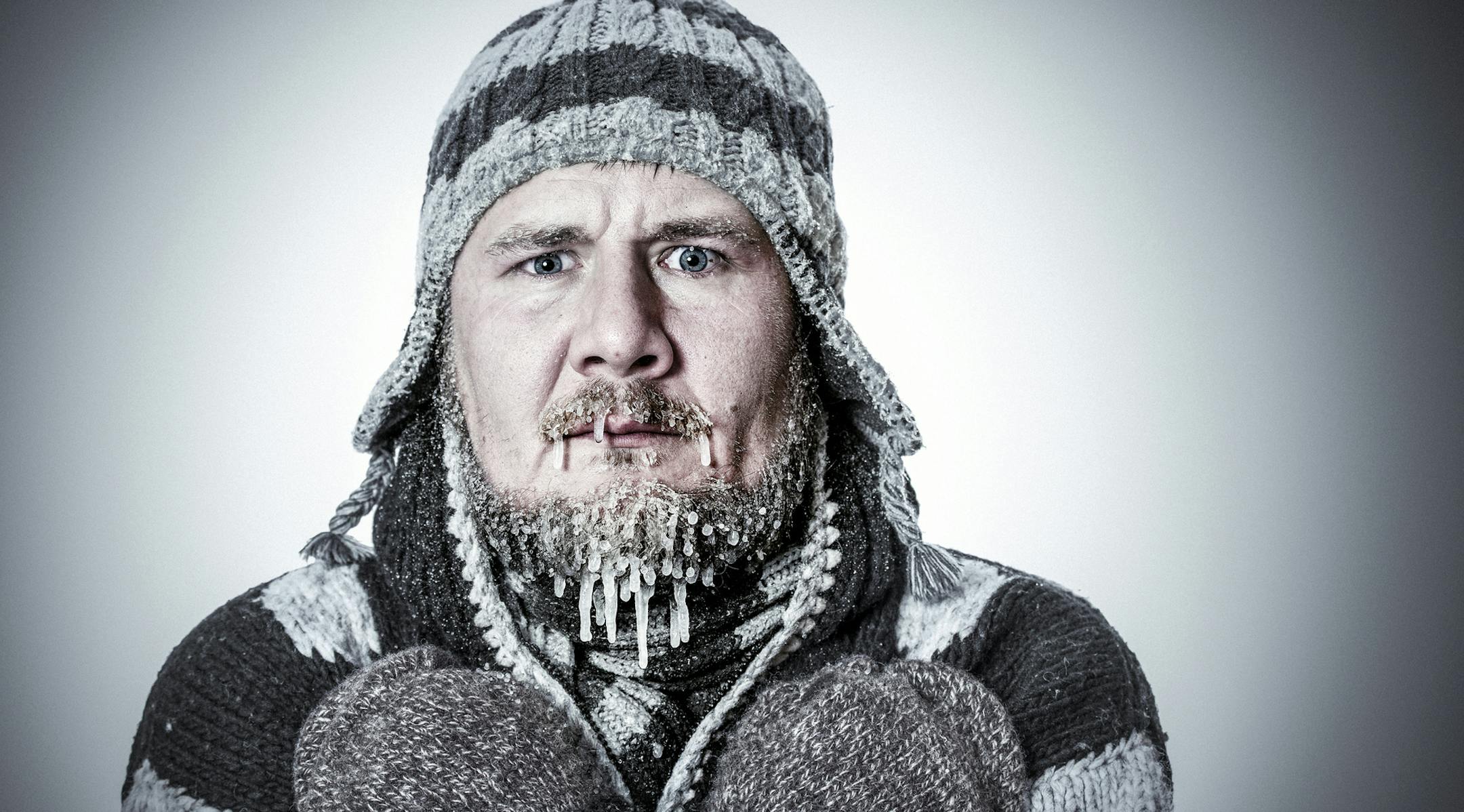
I volunteered for the Super Bowl last winter and found myself at the Mall of America bus waiting area, where the temps, you may recall, were below freezing with a windchill. The regular bus riders were relegated to these nether regions, just 300 feet from their previous, heated waiting area (the Super Bowl honchos commandeered the heated area for security and herding ticketed light-rail riders).
That subterranean area is still the unheated waiting area for the hundreds of bus and light-rail users waiting for transfers or to get home from work. This dimly lit and distant location poses a safety risk for those with walkers, wheelchairs, strollers or at-risk falling because of the low visibility and frigid temperatures, or even assault.
It is appalling that the Mall and/or Metro Transit has not been considerate, humane or thoughtful enough to install standard space heaters at the bus stops. Yes, I am aware they will not provide complete heating comfort on arctic nights, but c'mon! Ten heaters added to the year-old shelters isn't optional in Minnesota, but at least the riders can find short-term warmth in an enclosed area huddled with other shiverers.
It also appears the projected new waiting area has progressed at a staggeringly slow rate as well, and so the unheated conditions will continue unabated into the future. Accordingly, the limited request for 10 bus stop heaters is a longer-term investment, not to mention just a good idea for the well-being of your customers and neighbors.
Diane Har, Minneapolis
MINNEAPOLIS 2040 PLAN
Racism is in Minneapolis' history, doesn't need to be in its future
Minnesota has a long history of racism built into systems like zoning, including redlining and racial segregation, that have kept people of color on the fringes. In Minneapolis, we used restrictive deed covenants, racially isolated public housing projects, and discriminatory rental and real estate practices to segregate our city. These policies have contributed to our status as one of the most racially segregated cities in the country. Simply put, policies matter.
That's why I am so grateful that the Minneapolis 2040 Comprehensive Plan is taking a leadership role in proactively reversing past policies. It provides concrete actions to make our communities better. At the same time, we need to go a step further in creating tangible strategies to prevent more disproportionate displacement of people of color in future projects. The Equitable Development Scorecard is a great tool to do this.
It seems everyone I know is asking, "How can I help reduce systemic racism?" Here is one way: Let's support the Minneapolis 2040 plan and promote greater equity going forward. Our history may not be that great, but our future can be.
Martha Delaney Russell, Minneapolis
ELECTION MAPS
A deeper look at relative power
Blue-and-red political maps in the Star Tribune and other news outlets falsely suggest the relative power of Democratic and Republican electorates in Minnesota and the nation. Cursory reading of a headline in Friday's Readers Write section reflects this illusion: "A sea of rural, red land mass lorded over by a blue urbanity."

