

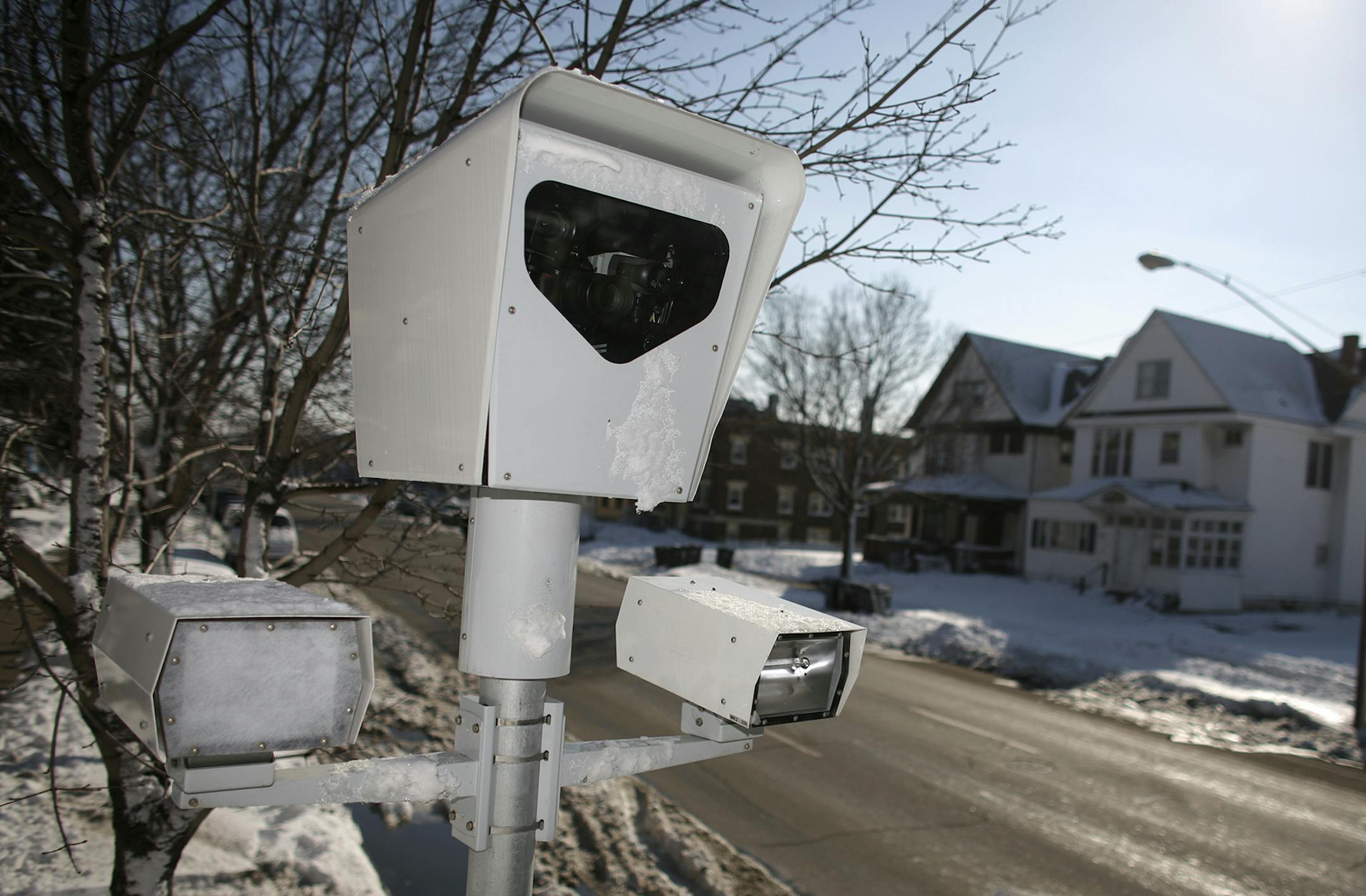
A Jan. 4 article ("Cities pull plug on speed cameras — and lose money") showcased an example of how not to earn public support for automated speed enforcement (ASE). It featured a case out of Long Island where 400,000 tickets were issued in less than two months. Though numerous studies show that ASE can be one of the most effective tools for reducing traffic deaths, it's little wonder citizens on Long Island felt like ASE was being used to gouge them, rather than protect them.
In Minnesota, our 2012 survey found that a majority of residents opposed the use of ASE, if placed on all roads. However, the survey found that a strong majority of adult Minnesota drivers supported ASE if it were only used on dangerous stretches of roads, such as where many drivers speed (69 percent support), many have died (77 percent), schools are nearby (82 percent) and construction is underway (83 percent).
Also, the thing that most dramatically increased Minnesotans' support for ASE was if "money raised from speeding tickets were used to improve local road safety improvements."
In other words, if ASE is adopted in a safety-centric way, rather than a revenue-centric way, a strong majority of Minnesota drivers actually support it.
Lee Munnich, Minneapolis
The writer is a senior fellow at the University of Minnesota's Humphrey School of Public Affairs.
DNR COMMISSIONER
Statements on wolves, tourism questioned
A more truthful explanation is owed to readers, livestock owners and landowners on wolves than what was given by Minnesota Department of Natural Resources (DNR) Commissioner Tom Landwehr in his recent interview published in the Star Tribune ("Progress, and frustration," Dennis Anderson column, Jan. 4).
Landwehr was asked what actions the DNR can take in the wake of wolves returning to the Endangered Species List in Minnesota. He responded that "landowners can't deal with problem wolves even if they're killing livestock."
This is not the full or accurate story. What is missing is that livestock owners can still have wolves killed in response to predation on livestock but by agents of the government (and by anyone if a human life is at risk).

