

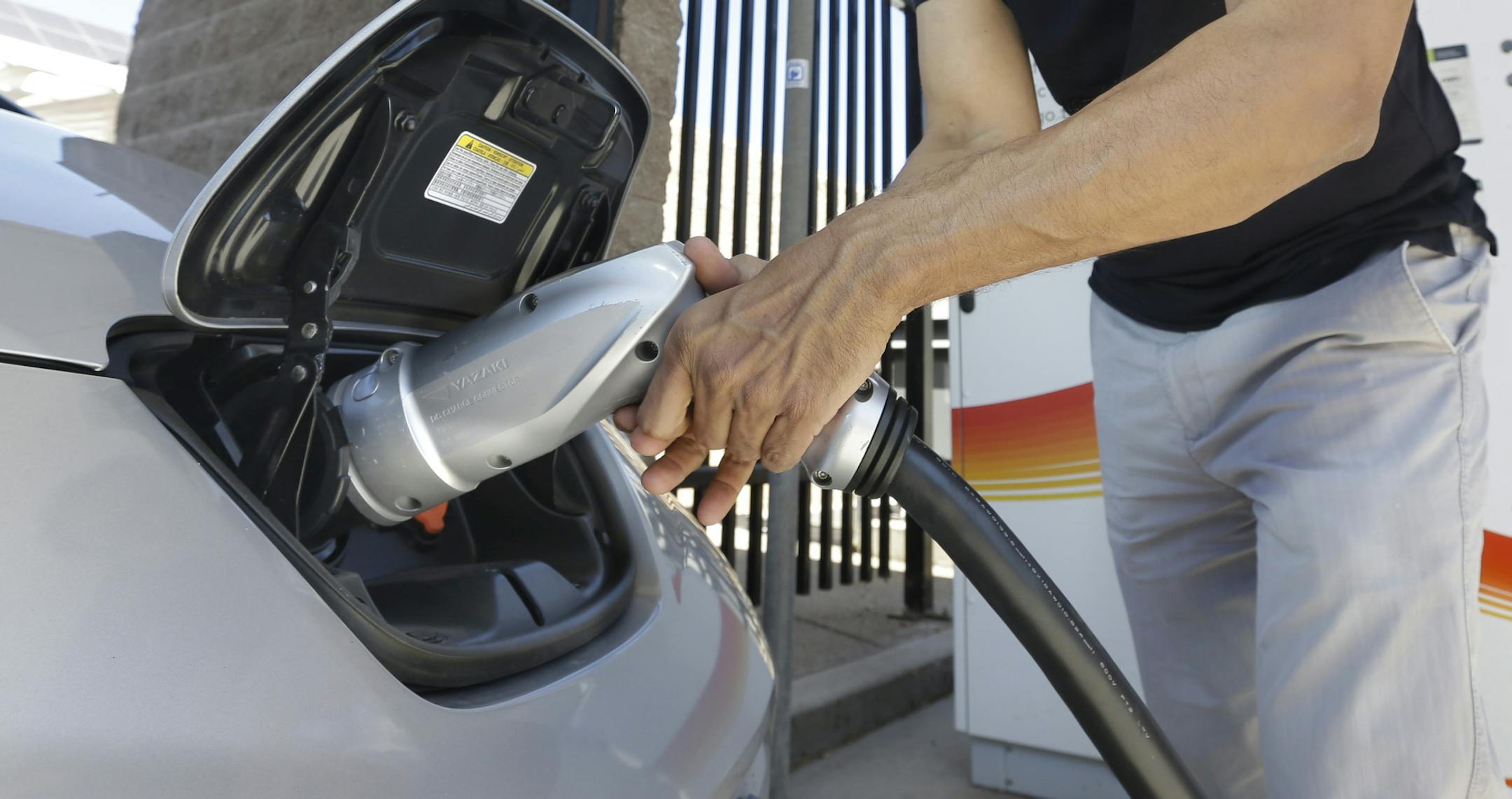
Yet again the "do the math" crowd is using biased math to justify surcharging owners of hybrid and electric vehicles to subsidize the road-use gas tax paid by overweight, gas-guzzling vehicles many people "choose" to drive (Readers Write, March 27). Some would have you believe surcharging electric cars is not "reverse socialism." Unfortunately, this redistribution negatively affects people, many of them senior citizens, who cannot afford the gas-guzzler.
Those who own hybrids are already helping keep gas prices down, saving money and minimizing the carbon footprint of their car. Also, many subcompact vehicles today achieve mileage comparable to hybrids. Why aren't they part of the conversation?
Being a hybrid owner for 12 years has saved me a lot of money that was redirected to the economy in more useful ways, such as better health insurance. Next to my hybrid sits a 2004 pickup with a large engine to pull stuff. On a good day it gets 15 miles per gallon. Newer trucks get better mileage, and no one seems to fault that for reducing tax revenue. I would get a double-whammy with proposals at the State Capitol for an increased gas tax for the pickup and a new surcharge for the hybrid. The Minnesota Department of Transportation continually says heavier vehicles do more road damage per mile. Perhaps the right thing is a surcharge based on vehicle weight. And wouldn't it be fun to tax veggies, so vegetarians could help keep the price of porterhouse down?
Chuck French, Andover
• • •
One of the March 27 letters makes an assumption that the average vehicle gets 25 miles per gallon and is driven 15,000 miles per year, and the owner would pay a gas tax of $300 per year. The letter therefore concludes that the owner of an electric vehicle should be taxed at a flat rate of $300 per year. Nothing wrong with the math; it's the assumption and conclusion that I have to object to. Electric vehicles are often used as second vehicles to make short trips around town and might be driven significantly less than 15,000 miles per year. At 6,000 miles per year, the "average" vehicle described in the letter would pay a gas tax of $67.20 at the current rate, or $115.20 if the governor's 20-cent increase is approved. Meanwhile, the EV owner would pay $300 for the same 6,000 miles. Contrary to the letter's conclusion, all users would not be paying the same amount to support the maintenance of our roads.
Robert Mickelson, Coon Rapids
• • •
Everyone, especially the heavy users, should pay, and pay more, for use of public services. However, to get past the typical opposition toward any user tax increase (from the big users using the rhetoric of the little users — "oh my God it will kill small business!") exempt the working poor under a certain income level and very small businesses and contractors. Give them a card for the pump or inside the station or a tax credit. I'm sure the higher revenue can pay for the process to make the exemption work. More important, let's start getting commodity transports and commuters off the roads by faster development of the existing technology of electric transport systems.
Thomas Harens, Chaska
The writer is a former member of the Minnesota House.
'EVIDENCE-BASED' POLICY
Be careful what you wish for
Nick Hart's March 27 commentary ("Trump's budget promotes evidence-based policies. Believe it") calls for at least one cautionary response. His third point is innocuously titled: plans to improve economic statistics.

