

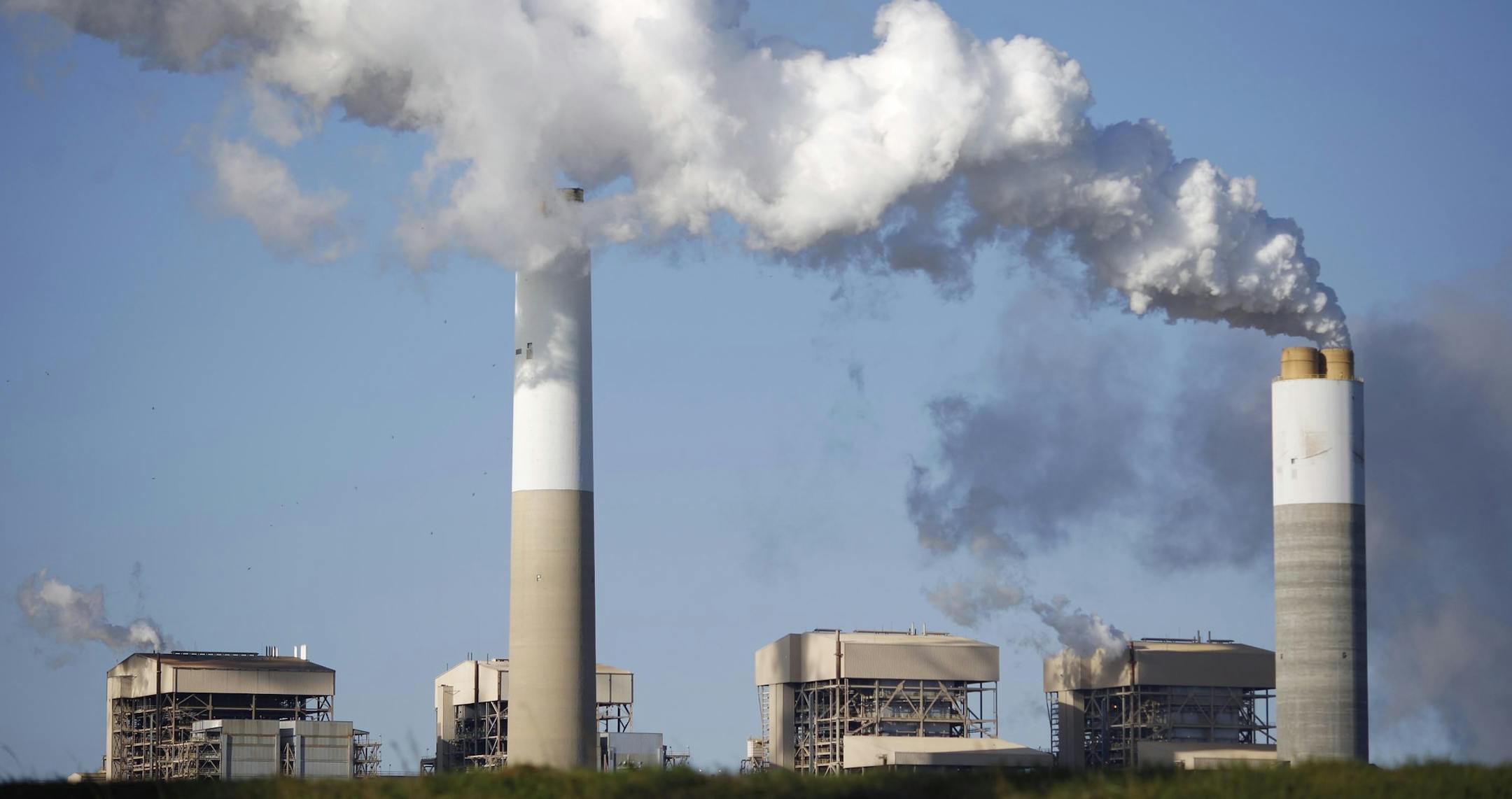
The Trump administration released the National Climate Assessment on Friday, which illustrates how our planet is already showing symptoms of climate change ("Feds issue dire climate alarm," Nov. 24). Levels of carbon dioxide in our atmosphere are the highest in millions of years, sea levels have already risen 7 to 8 inches with sea temperatures reaching record levels each year … the list of impacts goes on.
With these changes, nurses like me are seeing disease, injury and illness in the communities we care for. Children, adults and the elderly are experiencing increased episodes of asthma and chronic respiratory illnesses related to extreme weather, breathing difficulties from poor air quality on extreme heat days, premature deaths related to air pollution and increased exposure to infectious diseases such as Lyme disease.
Fortunately, we can take action on climate change. Experts agree we must reduce emissions of greenhouse gases driving climate change, transition from fossil fuels to clean energy and increase the ability of communities to respond to disasters made worse by climate change.
The health sector is also stepping up to reduce emissions. Health care systems are reducing waste, transitioning to clean energy sources and serving local foods. But more needs to be done. Our health care institutions and communities must progress toward building resilience in the face of climate health risks.
We can prevent a public health disaster while growing the economy and protecting the environment. Adequate investments and actions to reverse climate change are a critical down payment on the health and well-being of our patients.
Shanda Demorest, Minneapolis
• • •
I read with interest the latest warnings from 13 federal agencies on climate change. One prediction that we would suffer as much as a 10 percent reduction in the size of the U.S. economy troubles me. This predicts 80 years into the future an economy that we can't even predict for the next quarter. If they can, please give me your tips so I can invest and supplement my retirement income. What technical advances will happen that we cannot even imagine today? I'm reminded of the prediction of Charles H. Duell, the commissioner of the U.S. patent office in 1899. He wanted to close the patent office and said: "Everything that can be invented has been invented." Let's bring that to today. Technology doubles now every five, 10 years? Again, what advances are in the works or yet to be thought of by the yet unborn?
These predictions lend too much certainty on science that is built on computer models. Models that continue to predict a future that does not conform to what is happening today. I realize weather is not climate change. But all weather by these experts is attributed to climate change. Too hot, too cold, too wet, too dry, it strains credulity.

