

Reports in the Feb. 17 issue of the Star Tribune describe offers of massive amounts of public subsidies and tax incentives to multibillion-dollar corporations ("Google growth shrouded in secrecy," and "Gone in a New York minute: How Amazon deal fell apart").
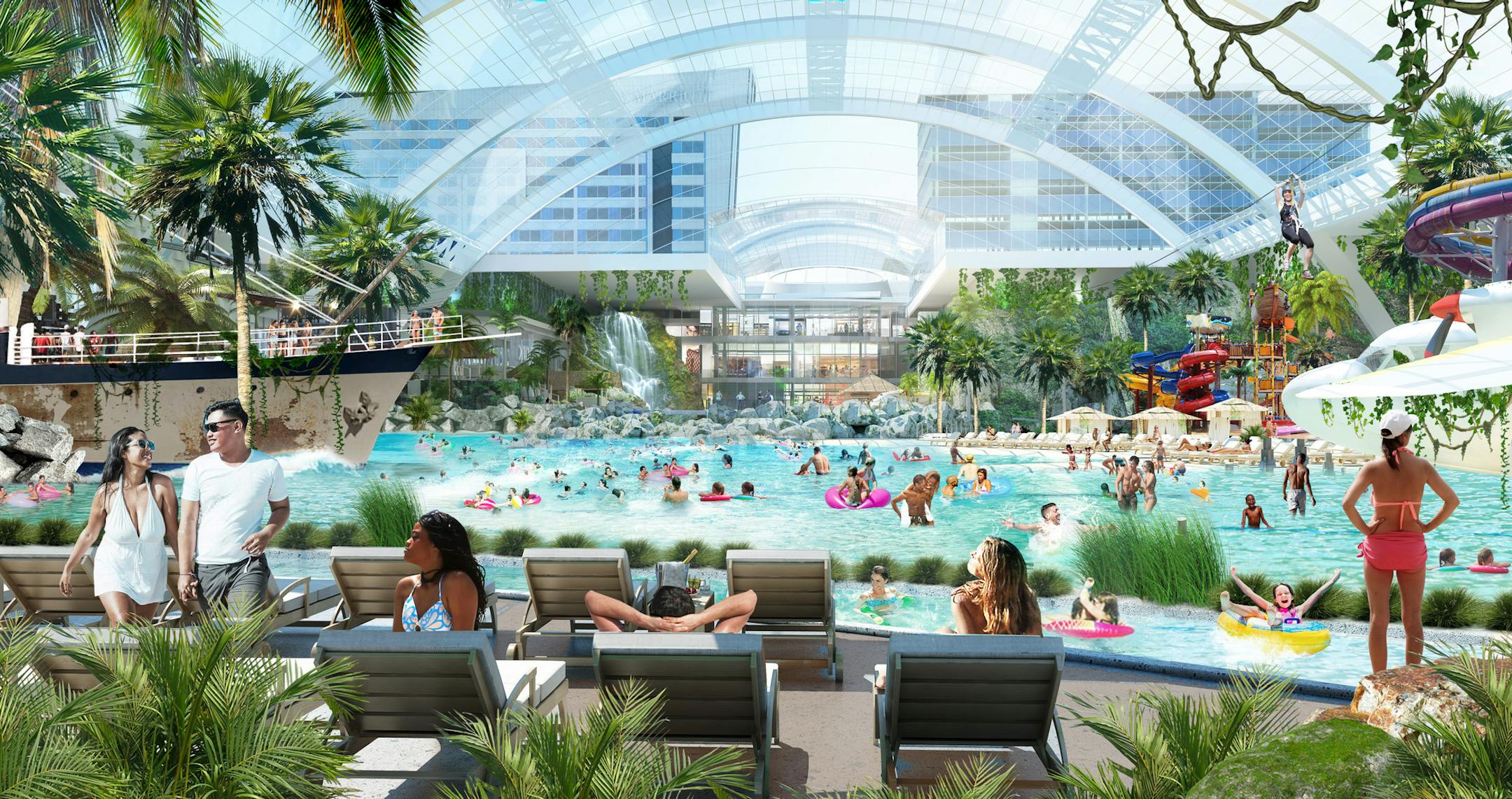
Here in Minnesota, the Triple Five Group will receive public assistance for a water park on its land next to its Mall of America ("Mall water park a deep dive into creative financing"). This deal "fits a growing national trend of using tax-free debt in new ways for developments associated with for-profit companies."
So the richest receive public funds to increase their private wealth. And public officials are complicit in these deals.
Michael W. McNabb, Lakeville
• • •
Regarding the Mall of America's deep dive into creative financing or, better put, creative legalized tax evasion, I thought it was interesting that nowhere in the article was there any mention of the jobs that will be lost at the already built water park directly across the street from the Mall of America.
David Chall, Minneapolis
SOCIALISM AND CAPITALISM
Sustainability of resources is the missing element in this discussion
The Feb. 17 Opinion Exchange cover contained two fascinating and informative articles ("Capitalism with Scandinavian characteristics," by Timothy Taylor, and " 'Moral Capitalism,' the Kennedys and Minnesota," by Stephen B. Young).
It's easy to forget in today's discourse that intelligent, thoughtful individuals have wrestled for centuries with the problem of how to create an economic system that best yields a happy and productive society.
But, while these discussions are highly germane, one concept that was omitted — especially with respect to "moral capitalism" — is sustainability.
Humankind may devise the most fair and efficient economic scheme possible, but with a rapidly approaching global population of 8 billion, any system that doesn't address sustainability in a consumption-driven economic model is ignoring an important reality.

