

Reluctantly, I ripped open the notice from my insurance company, painfully aware that my annual house insurance premium was now due. After seeing the amount requested while uttering one of the seven words that you can't say on television, I considered the inconceivable; maybe I should take a chance this year and not send a check to my insurance company.
I mean, consider the odds. According to available statistics, the chance that my house will be destroyed by a tornado in any one year is 1 in 13 million; the chance that my house will burn down during that same time is 1 in 20,000. Though not a betting man, I would be sorely tempted to place a sizable wager at our local casino with those kinds of odds. So why not gamble?
After a few tempestuous minutes, I wrote out a check for the full amount and sealed it into the envelope. Why? It's simple, really; it's all about cost vs. risk. While the cost of my premium is substantial, the risk is catastrophic. Despite the long odds, if my house did burn down, I would not be able to replace it and would be moving in with my kids (sorry, kids).
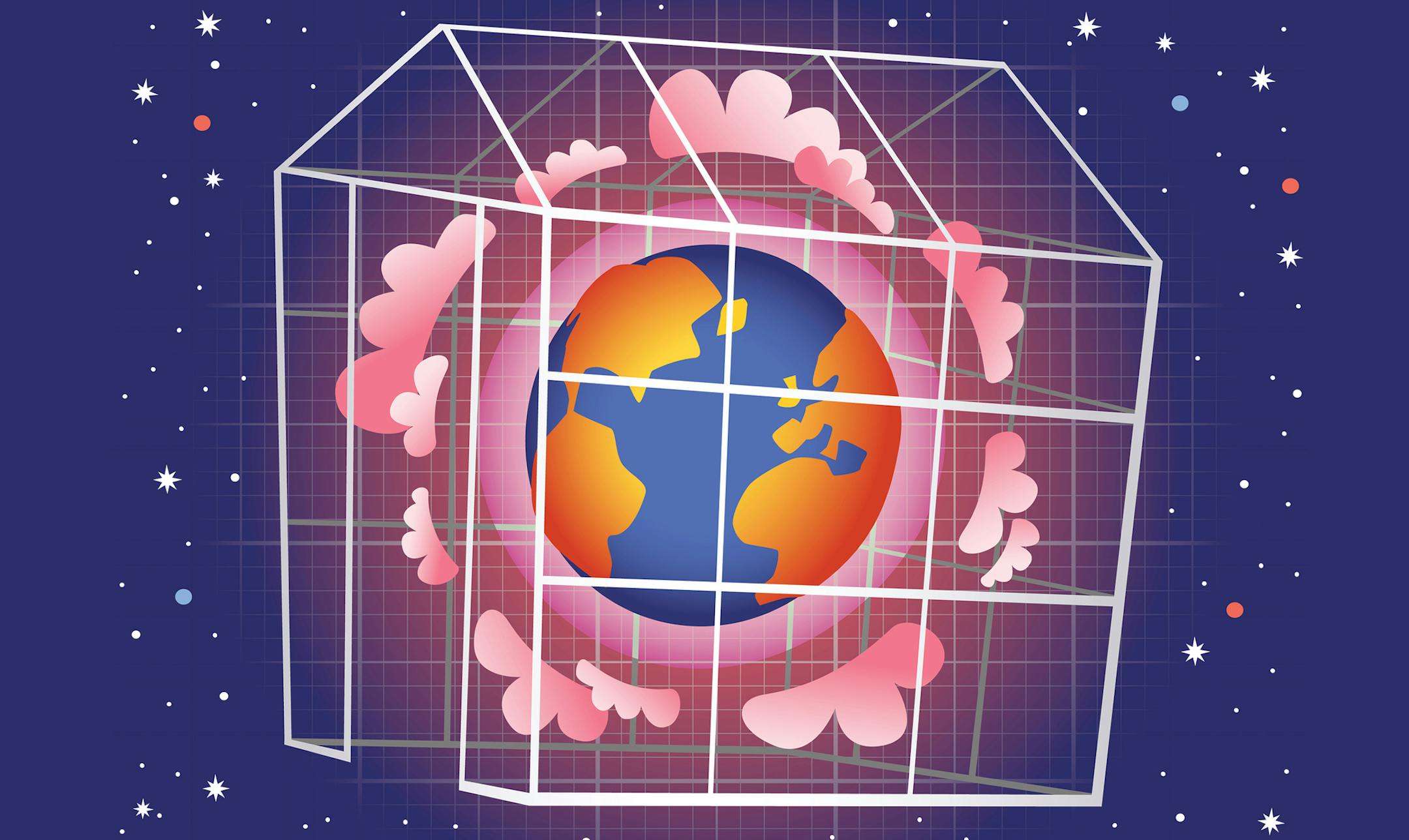
For those who question the projected environmental consequences of global warming, I ask you a simple question. Is the cost of trying to address the situation greater than the risk?
Maybe you are right and the odds that this environmental warming will have irreparable impacts on the planet are long. But what happens if you are wrong? Let's pay our insurance premium, just in case.
Tom Baumann, Isanti, Minn.
• • •
The Dec. 15 commentary by Harrison Beck ("One word: Displacement"), questioning why no one dares mention the coming climate-related displacement of the multitudes resulting from climate disruption, raises a touchy issue. However, Beck still misses the far more sensitive and overriding fact that the population already has exceeded the carrying capacity of the Earth. It is not a coincidence that most of the strife, unrest and fighting in the world is in areas of excessive human density, limited resources and the resulting lack of education. Until we address ways to stabilize population, moving the displaced to less-populated countries will only spread and compound the problem. Technology gains will prolong the inevitable result, but technology is not advancing as fast as the population. World population has increased from 2.4 billion to 7.2 billion in my 71-year lifetime, which I find more frightening than a 2-degree increase in temperature.
Larry Johnson, Cologne, Minn.
• • •


