

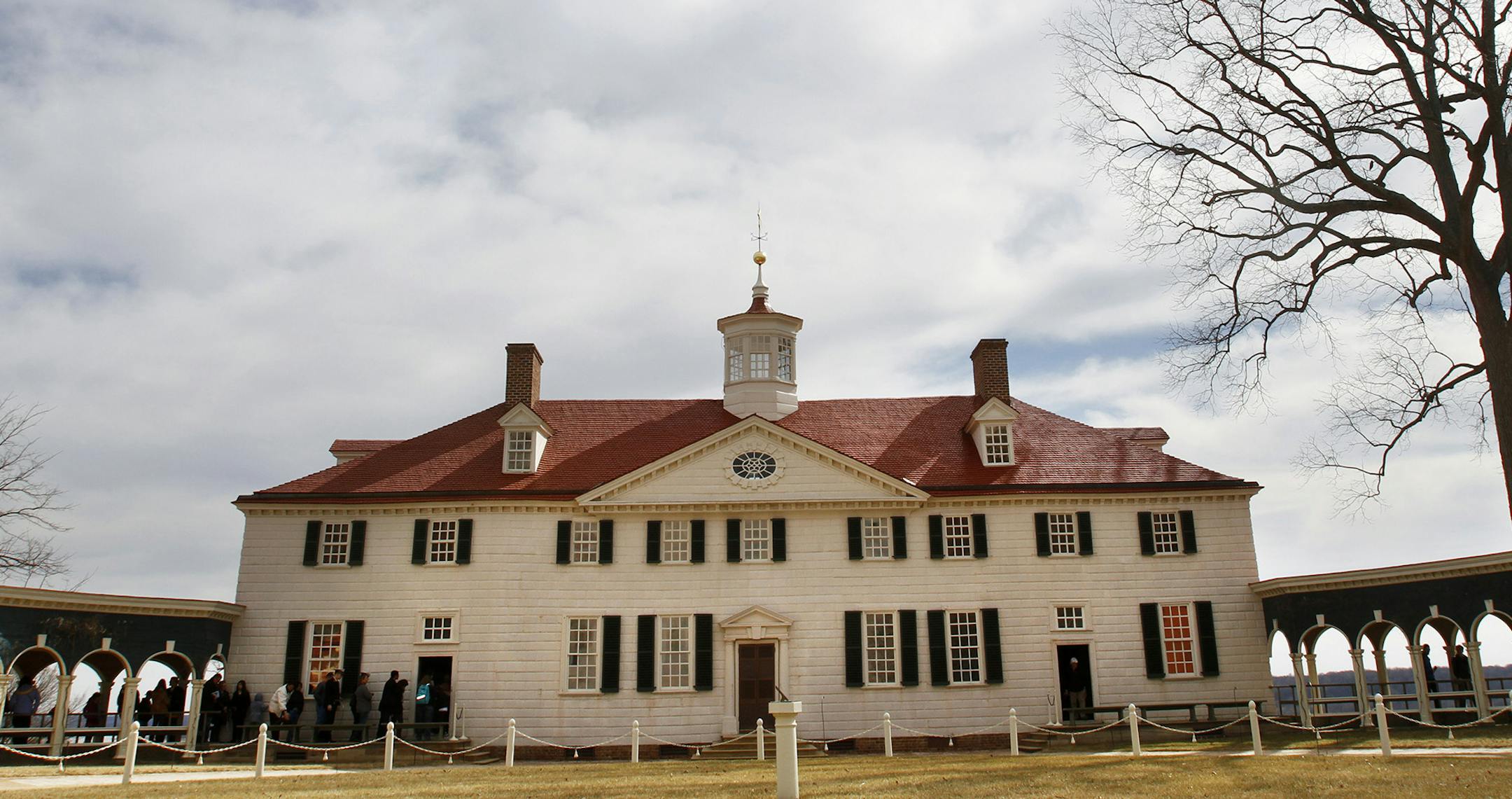
The current rush to remove statues because a few individuals chose to hold a rally that resulted in violence constitutes overkill by politicians trying to jump on the correctness wagon. Will we now see the destruction of historic homes like Mount Vernon, Monticello, the Hermitage and the Arlington House because of their association with former slave owners; or the tearing down of the Washington and Jefferson Monuments in Washington, D.C.; or the renaming of U.S. military facilities (eight army bases and several National Guard facilities) named after former Confederate generals; or a movement to rename cities, universities, streets and lakes; or maybe the desecration of Confederate cemeteries — all in the name of political correctness? Our history belongs to all of us, the good and the bad, and it should be properly taught and not removed from public view.
Mary Carlson, Bayfield, Wis.
The writer is a retired Minnesota district judge.
• • •
Regarding the recent purge of historical figures, I look forward to the removal of all statues, streets, schools, etc., named after President Franklin Roosevelt for his despicable treatment of Japanese-Americans during World War II.
Michael Troiden, Blaine
• • •
Leftists are demanding or using physical force to effect the destruction of Civil War-era statues depicting Confederate States of America figures, from everyday soldiers to major figures such as Robert E. Lee, Jefferson Davis and Stonewall Jackson. Virtually every one of the figures depicted in stone were Democrats. A larger point: Today's Democratic Party was without peer the most vocal supporter of slavery in the 19th century. The Republican Party was born out of its commitment to end slavery. Witness President Lincoln's Emancipation Proclamation in 1863, which freed black slaves. For the next 80 years, Southern Democrats did all they could to forestall racial integration. Woodrow Wilson was a racist. How could he be otherwise, given his eager promotion of an avowedly racist movie, "The Birth of a Nation," which celebrated the Ku Klux Klan?
FDR, the saint of the left, agreed against anti-lynching laws in return for support of his New Deal legislation.
When civil-rights legislation came to a momentous vote in 1964, Democrats stood in the way of passage. Democratic Sen. Richard Russell of Georgia: "We will resist to the bitter end any measure or any movement which would have a tendency to bring about social equality and intermingling and amalgamation of the races in our states."


