

A new study estimates that Minnesota corn, soybean and wheat growers lost nearly $100 million in revenue this spring, primarily because of higher shipping and storage costs as they sold off last year's crops.
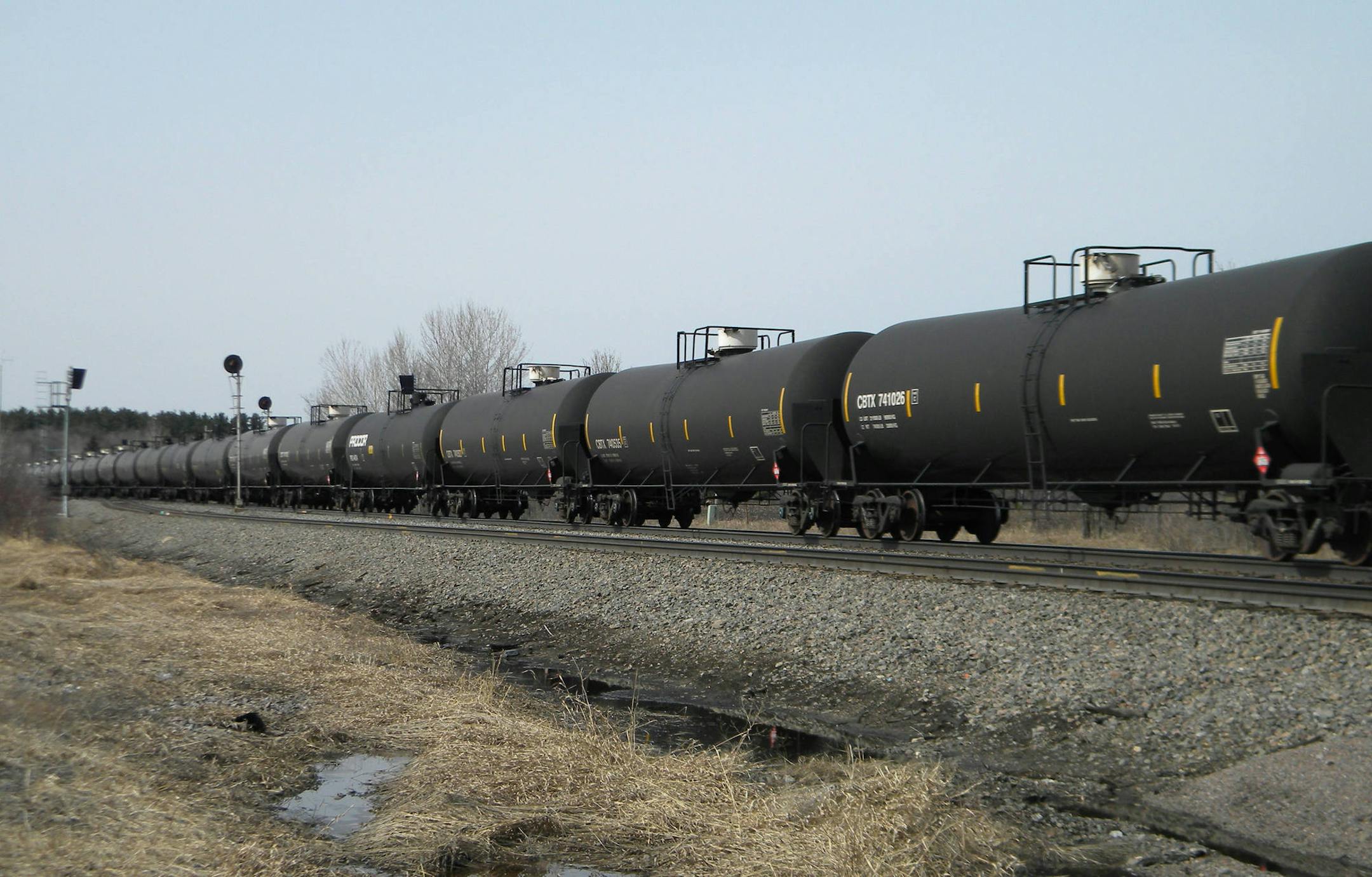
Railroads that move much of the grain are months behind in shipments, and freight costs have skyrocketed, in part because of increased demands to ship more oil by rail from North Dakota, but also because of other cargoes. Farmers and grain elevator operators are receiving lower bids for their crops because of the higher transportation costs. They are also worried that millions of bushels of last year's crops won't be shipped before the 2014 wheat, corn and soybeans begin to be harvested.
The Minnesota Department of Agriculture commissioned the study and released the results Thursday at a half-day symposium in Alexandria to discuss the future of agricultural freight in Minnesota.
Commissioner Dave Frederickson said the delays and lost revenue are a serious problem for farmers and those who work with them to move grain. "Farmers do not farm in the aggregate, they farm individually, so when those losses are calculated, you can take it right home to the mailbox," he said.
The research, done by the University of Minnesota Center for Farm Financial Management, concluded that continued transportation problems during the March-May period cost Minnesota corn growers $72 million, soybean farmers nearly $19 million, and wheat growers $8.5 million.
Costs tend to be higher for growers in northern Minnesota who are dependent on rail, since those in southern counties near rivers may have the option of shipping by barges.
But Mike Steenhoek, executive director of the Soy Transportation Coalition, said that river transportation can be inefficient as well, with aging lock and dam systems and heavy water flow that can shut down barge traffic for safety reasons, as it has this year.
"U.S. agriculture can be accurately described as attaching a garden hose to a fire hydrant," Steenhoek said. "We have all of this robust supply, but we have a transportation system that remains quite lackadaisical."


