

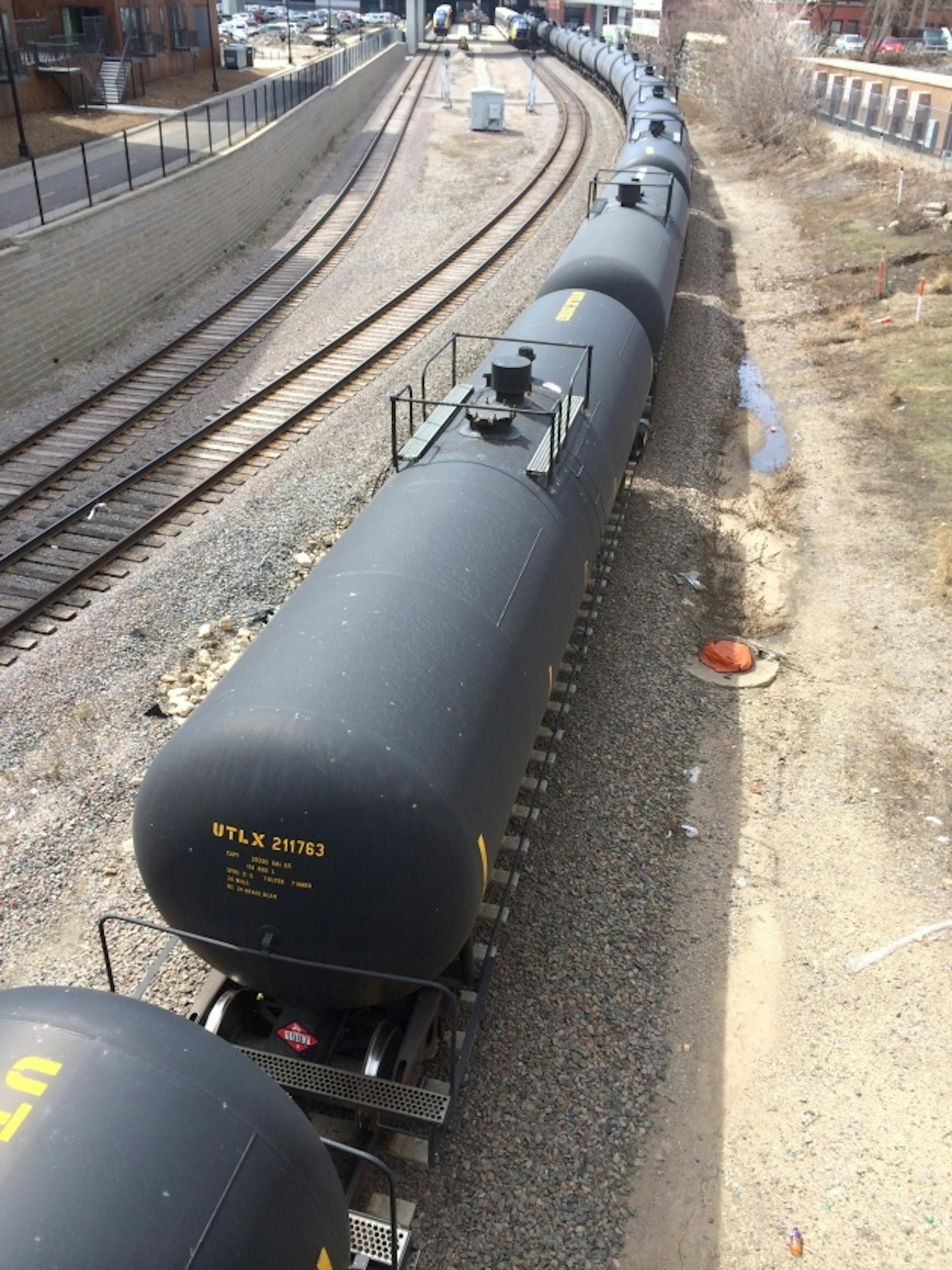
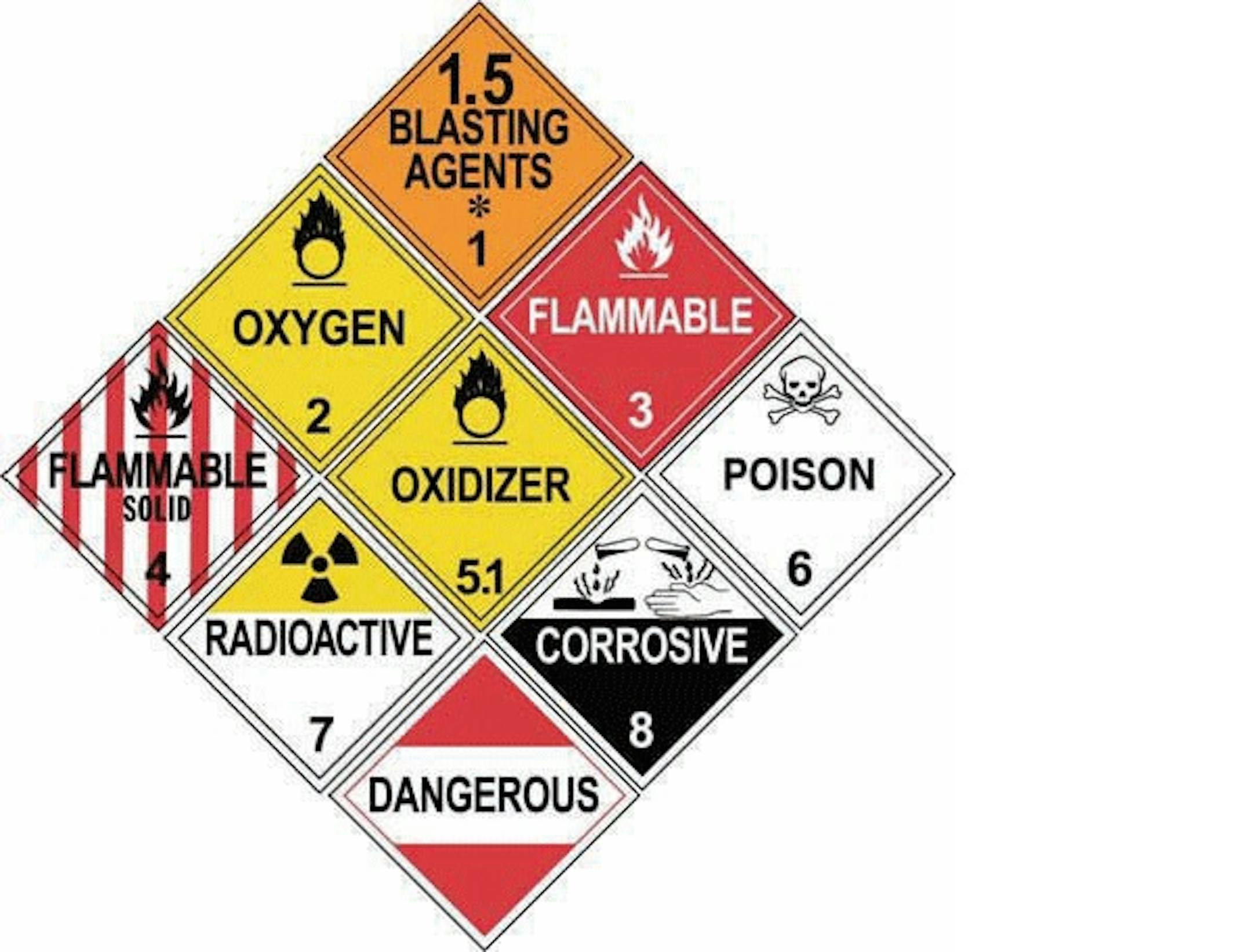
My Sunday column (below, and linked here) focused on the secrecy surrounding shipments of dangerous cargo by rail, and contrasting that with the public information available about other chemical hazards. Some readers make a good point by saying that people can indeed find out the contents of individual tank cars by examining the federally-mandated placards on each one. One caller said there's an app for that, called the Cargo Decoder.
Those are clearly designed to help first responders know what they're encountering when they arrive at the scene of an accident, as opposed to the kind of community disclosure and right-to-know information I was talking about. But it's a good point.
Meanwhile, in a letter last week to a federal agency considering new rules for rail cargo safety, the city of Chicago - home to 25 percent of the nation's rail traffic - has called for better information on those placards, so they do not require a lookup by first responders. The city also wants written spill response plans from shippers and "accurate real time information about the materials being shipped."
Here's the column:
On a dead-end street in St. Paul, Susan Juaire runs a home day care with a scenic overlook of boxcars, locomotives and railroad tracks. Though she doesn't like it, Juaire has gotten used to the constant noise of shipping containers being loaded between trucks and trains.
She can't say the same thing about the long lines of tank cars that roll by daily, without stopping.
"It makes you wonder," she said. "You never know totally what's in there."
Her husband, Barry, thinks they ought to have a way to find out. It doesn't take much for a train to derail, he said. "If they've got something hazardous there that could blow up the whole neighborhood, I'd like to know that, and what safety precautions they have."

