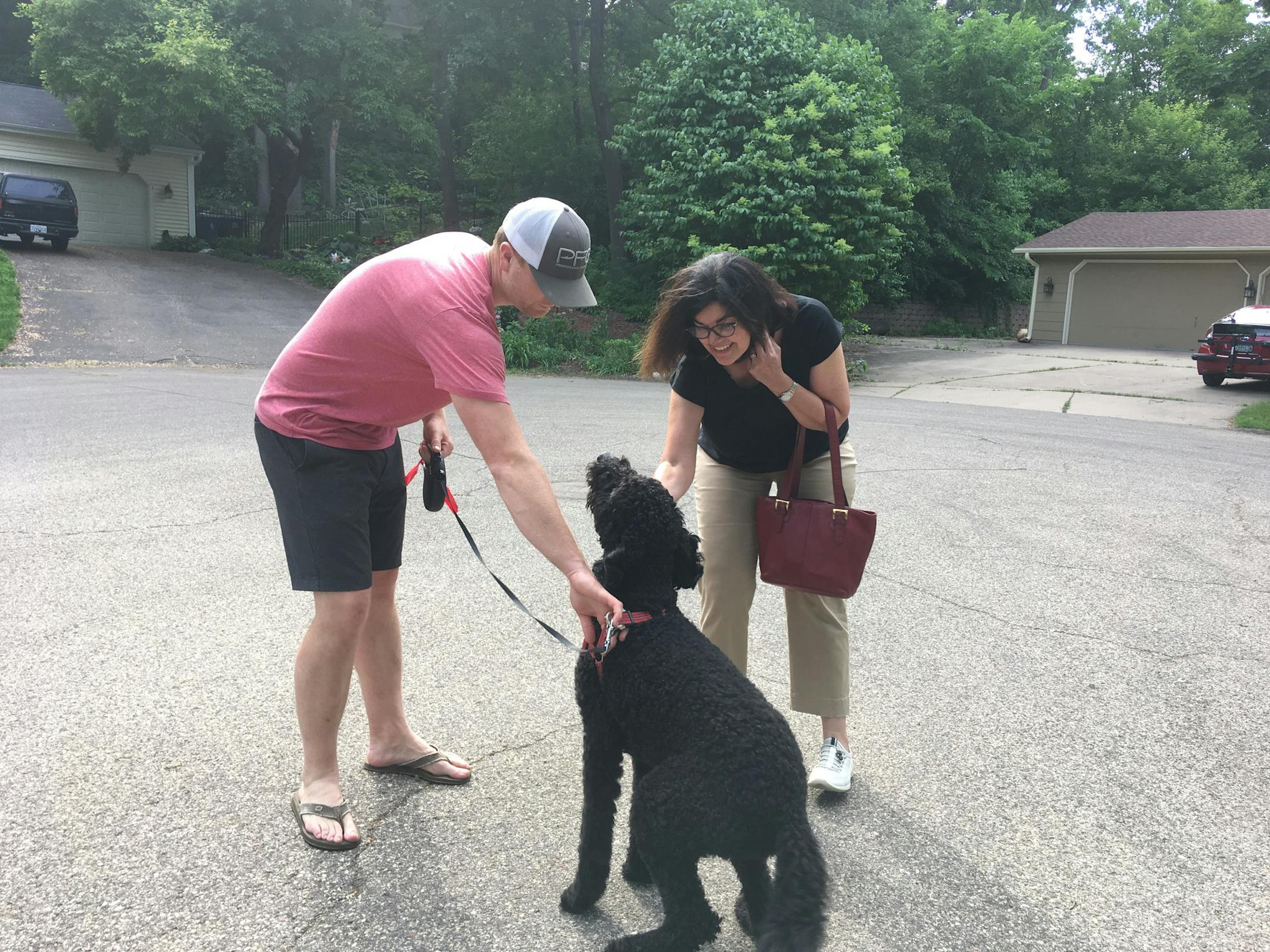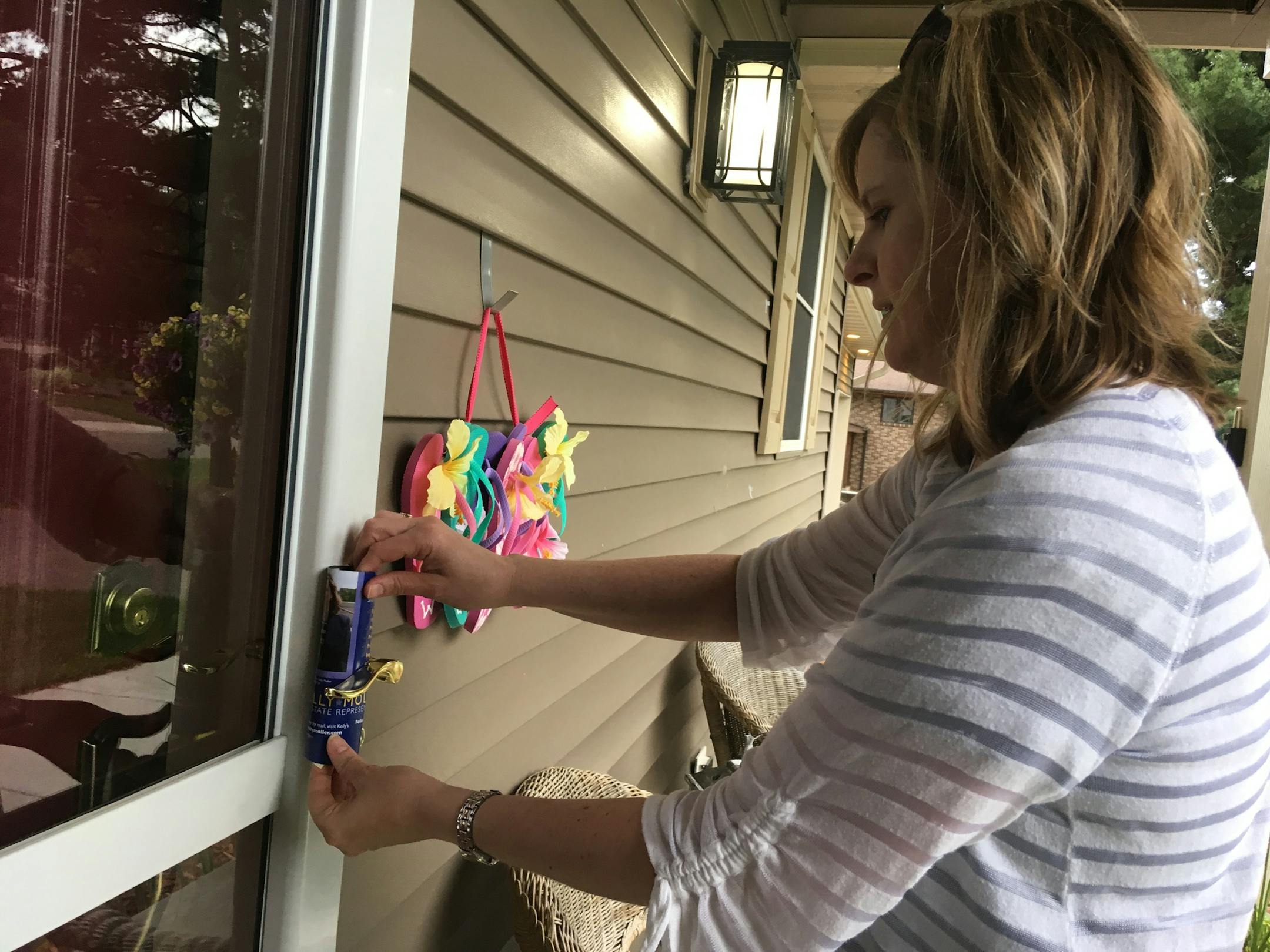
Ellen Cousins surprised some Minnetonka neighbors on a recent afternoon, greeting the old acquaintances with news that she's running for the state House. Later that day in Mounds View, Kelly Moller was in the swing of what's become an evening routine: talking with strangers about gun control, schools and health care.
"The election isn't until November, but I am out early because there are a lot of people I have to meet," Moller told Sovady Huston, who lingered at her front door to chat with the first-time candidate about education and her frustration with President Donald Trump.
There are still five months until Election Day, but DFLer Moller, Republican Cousins and other Minnesota House candidates are already fighting for voters' attention and donors' money amid a whirlwind of congressional and statewide races. The local competitions for 134 House seats may not be the big-ticket battles of this election year, but the House majority is still extremely valuable to both parties, and it's swung between the GOP and DFL frequently in the last dozen years.
Republicans used their wide majority in the House to block many pieces of DFL Gov. Mark Dayton's agenda in recent years. They want to maintain that backstop in case another Democrat takes the governor's seat — or to reshape state government alongside a GOP governor.
DFLers, meanwhile, are set on closing the gap, and are drawing hope from the results of past midterm elections.
"The number one factor that determines who wins the Minnesota House of Representatives is which party is opposite the president in a midterm, and the average swing is 17 seats from 1952 to now," said House Minority Leader Melissa Hortman, DFL-Brooklyn Park.
The DFL would need to swing 11 seats to take control of the House, which it last led in 2013-14.
Across the U.S., Democrats see hope in the possibility of a broad backlash against Trump. While that frustration has inspired more people to get politically involved, Hortman said she is not banking on a so-called "blue wave."