

We are being bombarded with so much breaking news so fast that sometimes you can't fully understand in the moment what any of it really means.
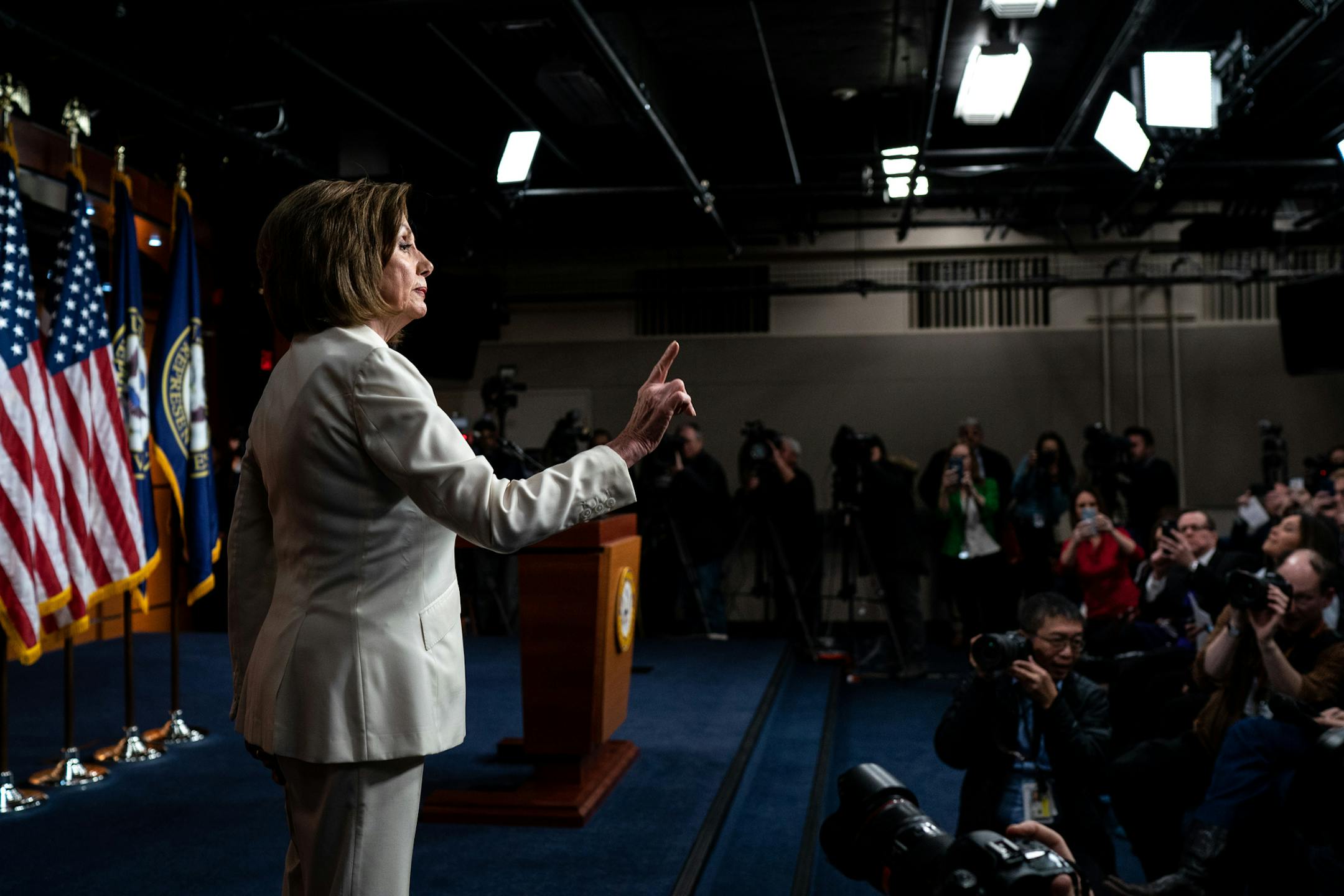
So step back a few days with me — about an eternity in today's news cycles — and take a fresh look at what happened when House Speaker Nancy Pelosi was confronted with the word "hate." In the immediate news cycle, this was covered as a smackdown of the reporter who asked her if she "hates" the president. As time passes I'm beginning to think something bigger was happening here and if we can see beyond "winners" and "losers" there is a lesson that could help all of us navigate our toxic public dialogue.
To get the full meaning of that moment, try to do something so difficult these days: Try to get outside our tribes and not see this as Trump vs. Pelosi.
A political leader (insert your tribal chief here) who is usually tightly scripted delivers prepared remarks and walks away, until a reporter triggers her by asking if she "hates" her political rival.
As she walks back to the podium she faces the challenge most all of us face in these days when the world's temperament seems even more unstable than its temperatures. She faces the same challenge so many of us do when an in-law/co-worker/stranger/Twitter troll gets in our face and punches our hot button. Do you come back hard or ignore it? Fight or flight? Conciliate or annihilate?
In Pelosi's case she chose to put on a master class in compartmentalization, drawing bright lines between politics, duty and faith. Starting by pulling no punches, she called the president a coward on gun violence, cruel on immigration and in denial about the climate crisis. Then she built a wall between these political stands and how she sees her duty to the Constitution with impeachment. Then came the kicker: She said she prays for the very person she just eviscerated.
Really? Can anyone actually believe she could go from splay to pray in 60 seconds? Well, I absolutely do. In fact, compartmentalization may be the only way we don't fall through the gaping fissures of today's ideological battles.
It would be so very simple if all we had to do was try to just be polite to each other, to walk back to that microphone — or smile at bombastic cousin Bobby — and say, in our best Minnesota Nice: "Well, that's different. Thanks for sharing."


