BEIRUT — A Russian plan for Syria to turn over its chemical weapons to avert Western missile strikes bogged down Tuesday when Moscow rejected U.S. and French demands for a binding U.N. resolution with "very severe consequences" for non-compliance.
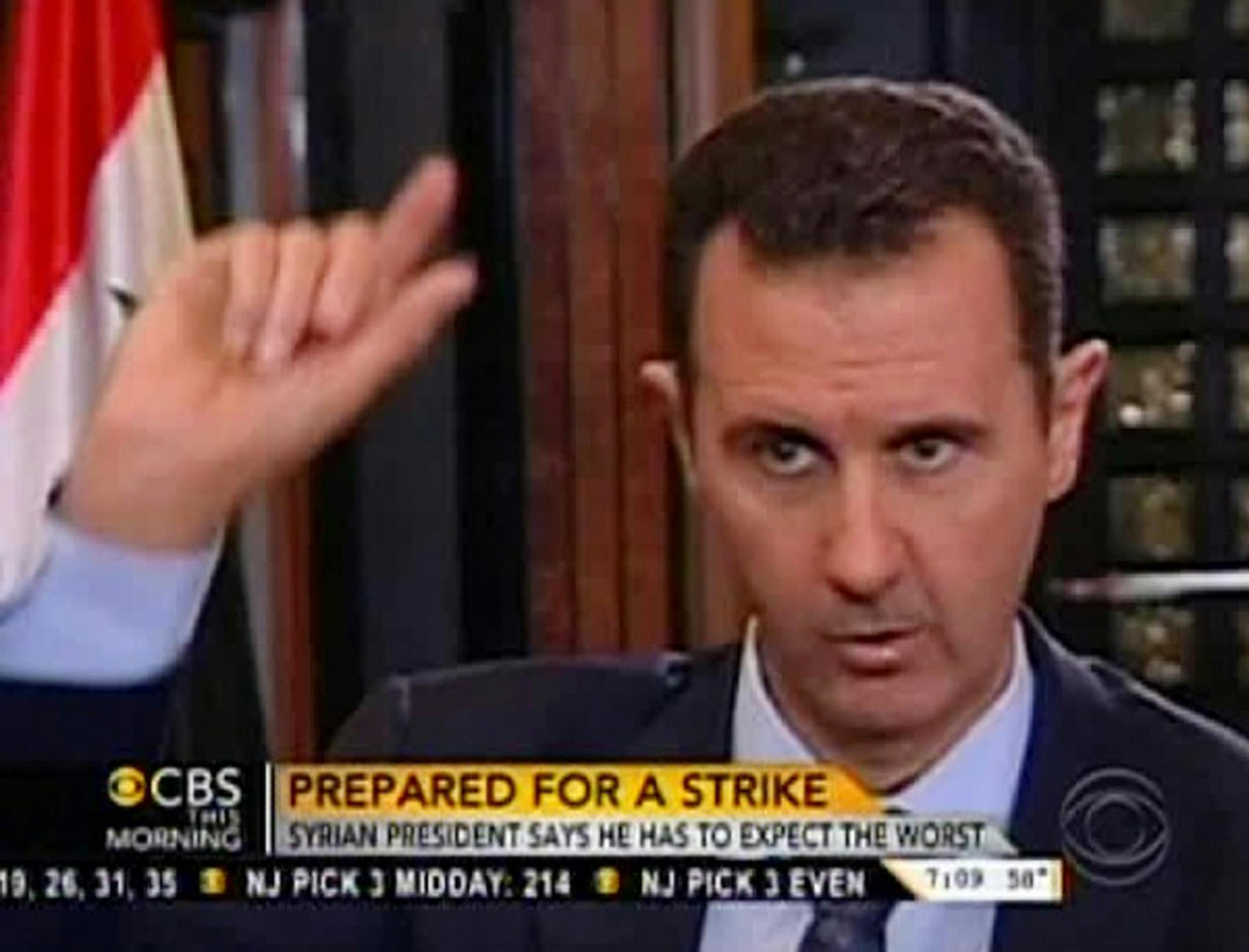
The surprise Russian proposal, which Syria and the United States both accepted, would put President Bashar Assad's regime's chemical stockpile under international control before its eventual dismantling. The initiative — also cautiously endorsed by Britain and France — appeared to offer a way out of a crisis that raised the prospect of U.S.-led military action against Syria in retaliation for an alleged chemical weapons attack last month.
But the plan ran aground as the world powers haggled over the crucial element of how to enforce it. Wary of falling into what the French foreign minister called "a trap," Paris and Washington are pushing for a U.N. Security Council resolution to verify Syria's disarmament. Russia, a close Assad ally and the regime's chief patron on the international stage, dismissed France's proposal as unacceptable.
The dizzying diplomatic maneuvering threatened what had been growing momentum toward a plan that would allow President Barack Obama to back away from military action. Domestic support for a strike is uncertain in the United States, even as Obama seeks Congress' backing for action — and there has been little international appetite to join forces against Assad.
In a nationally televised speech Tuesday night, Obama told war-weary Americans that diplomacy suddenly holds "the potential to remove the threat of chemical weapons" in Syria without use of force, but he declared that the U.S. military will "be ready to respond" against Assad if other measures fail.
For now, Obama said he had asked congressional leaders to postpone a vote on legislation he has been seeking to authorize the use of military force against Syria. Obama pledged that any military action would be limited and wouldn't involve deploying ground combat troops or waging a prolonged air campaign against Syria.
Syrian Foreign Minister Walid al-Moallem said early Tuesday during a trip to Moscow that Damascus "agreed to the Russian initiative as it should thwart the U.S. aggression against our country."
Before departing Moscow in the evening, al-Moallem told Lebanon's Al-Mayadeen TV that Syria would place its chemical weapons locations in the hands of representatives of Russia, other unspecified countries and the United Nations. Syria will also declare the chemical arsenal it long denied having, stop producing such weapons and sign conventions against them.