

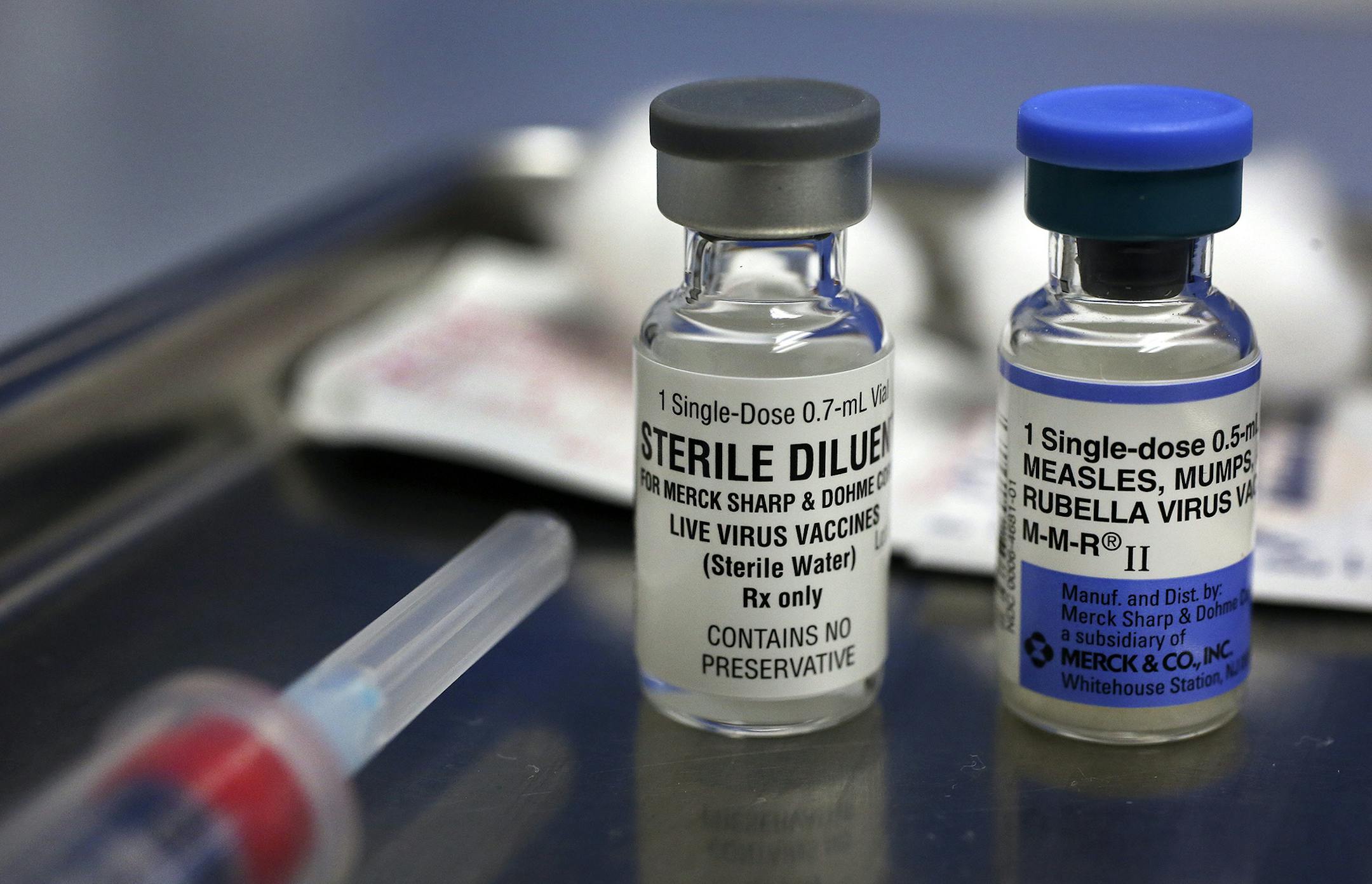
As a practicing pediatrician for more than 30 years, I've realized that the small minority of parents who decline certain vaccines aren't necessarily opposed to them. They're hungry for more information, research and data on vaccine safety. They want to make a carefully informed decision. Often they've stumbled across vaccine myths on the Internet, which can sweep through blogs and social media as quickly as the diseases vaccines are trying to prevent, leaving more questions than answers.
It's time parents know all the facts.
A bipartisan bill introduced at the State Capitol (H.F. 393 and S.F. 380) would ensure that parents who are vaccine hesitant have an open conversation with a medical provider before enrolling their unimmunized child in a school or a day care. Currently, parents need only submit a notarized letter to opt out of school or day care immunization requirements.
This bill does not take away a parent's choice for an exemption, but rather ensures that a parent receives reliable information and understands the risk involved with this decision. States with lax exemption processes, such as Minnesota, tend to have lower vaccination rates and higher vaccine-preventable diseases. This bill could help curb future outbreaks due to clusters of unvaccinated children.
When parents consider delaying or declining vaccines altogether, I give them three reasons to reconsider.
First, vaccines are remarkably safe. Millions of children receive vaccines every year in the United States and around the world, and serious side effects are extremely rare.
Second, vaccines are extremely effective, virtually eliminating the possibility of contracting certain deadly diseases. Thanks to vaccines, the vast majority of children in this country will grow up without suffering the ravaging effects of smallpox, polio or other life-threatening diseases.
Third, vaccines protect more than the child who receives them. They offer a critical layer of protection for members of that child's family and community who cannot be vaccinated due to their age or an underlying medical condition. One parent's decision to immunize could save the life of another person.


