

As the graduate of a Minnesota private, nonprofit college, I worry, as many others do, about whether it will be affordable for my grandchildren to attend a private college. This past year I approached several higher-education leaders to better understand current college costs. I was astonished to learn of a disquieting disconnect between how private colleges market their tuition rates and financial aid to the public and how the system is understood within higher education circles.
Here is what the Minnesota Private College Council, a consortium of 17 private, nonprofit colleges in Minnesota, reports to the public:
The average published rate for tuition and fees among their member colleges for the 2017-18 academic year was $39,611. With room and board, the average total cost was $49,418.
These private colleges also report more than $613 million annually in institutional grants and scholarships to undergraduates. About $100 million more comes from federal and state grants for low-income students. Some 94 percent of first-year students are reported as receiving grants and scholarships that do not have to be paid back. Still, the median (not average) debt of their graduates is $28,019.
You might assume, as I did, that a college's published tuition rate reflects the total tuition revenue the college reasonably needs to collect per student to balance its budget. You might also reasonably assume from the reported financial aid statistics that our Minnesota private colleges enjoy massive endowments from which to provide institutional grants. Neither assumption is correct.
Years ago, everyone was indeed charged the same tuition rate, with scholarships and state and federal grants aiding those who needed help most. But today most private colleges hike their stated tuition rate substantially beyond what they need or intend to collect to meet their budgets.
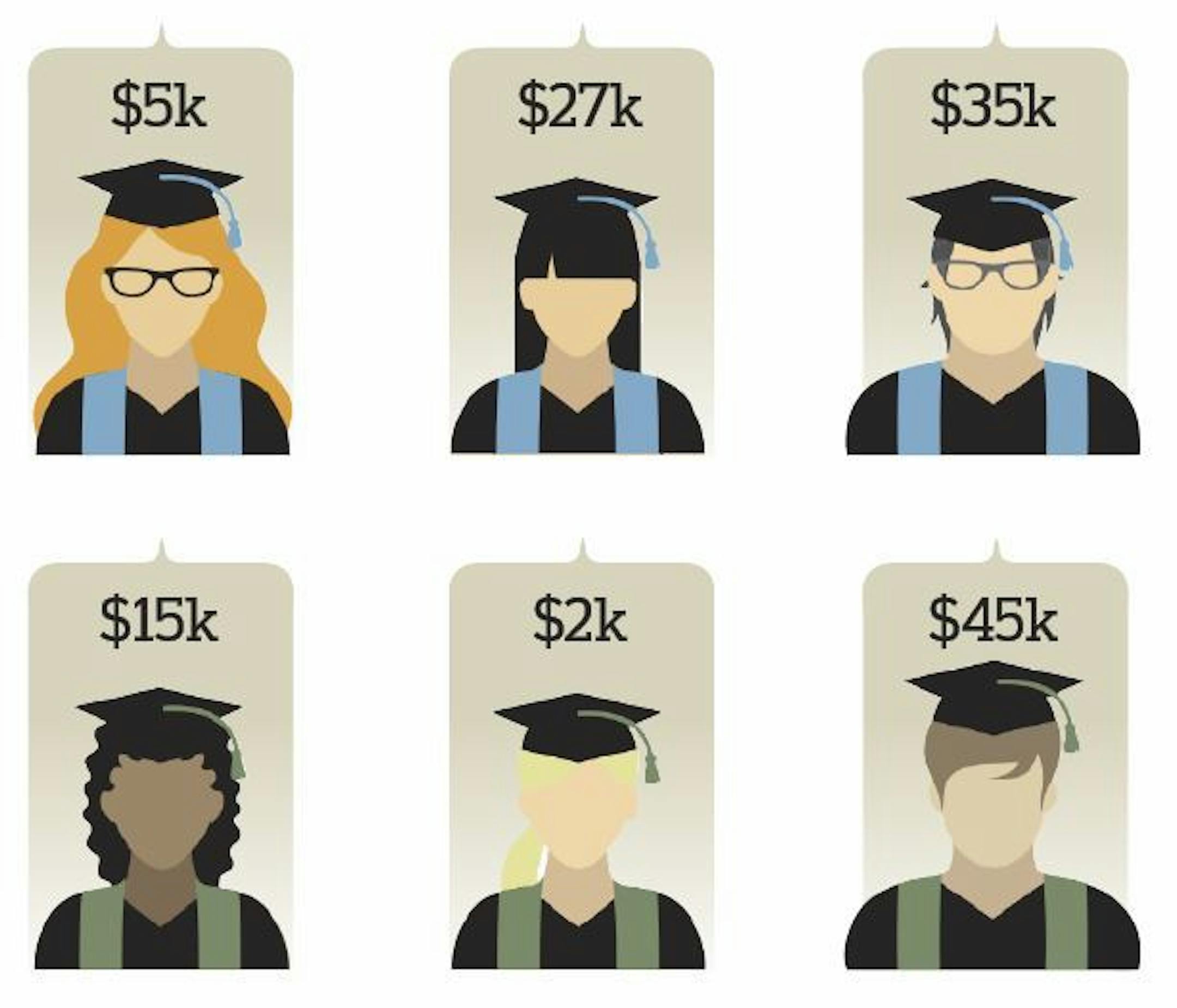
By inflating their published tuition rate, private colleges have found they can charge different tuition rates, student by student, based not just upon financial need but upon a variety of other, non-need factors. Publicly, they explain that they are awarding students institutional financial aid to reduce their tuition costs. Internally, they acknowledge that what is happening is nothing more than discounts off their inflated price.
So how much difference can exist between the published price of tuition and the amount colleges actually budget and intend to collect per student? The National Association of College and University Business Officers for years has tracked the average tuition discount rate among 411 participating private, nonprofit colleges across the country. They estimated that for the 2016-17 academic year the average institutional discount was 49.1 percent for a full-time freshman, the highest level in the history of their survey.


