

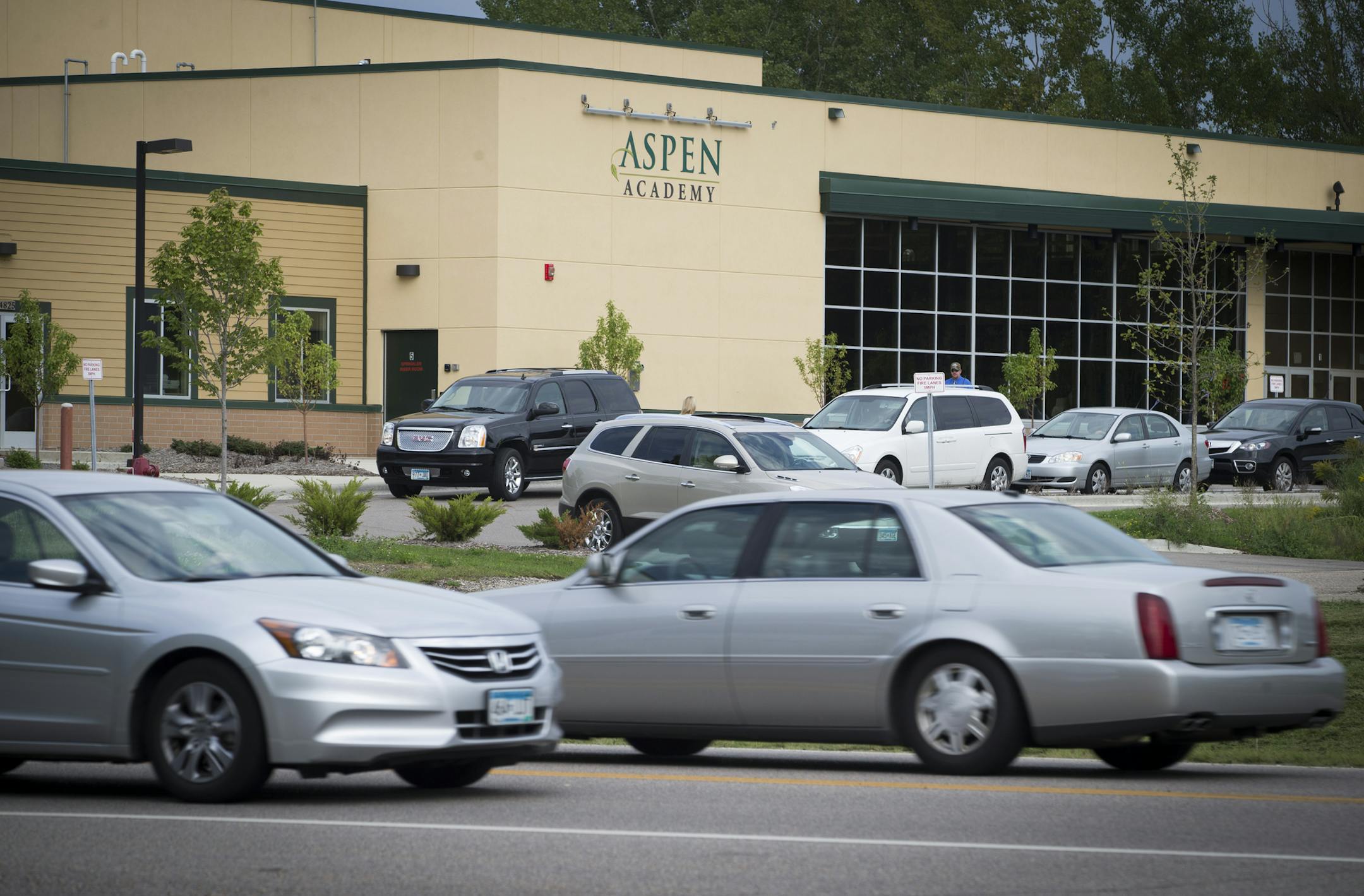
Cutting between Savage and Prior Lake, Hwy. 13 narrows to two fast-moving lanes. Turns come and go quickly, demanding split-second decisions. At peak hours, traffic from nearby schools piles up, sometimes trapping residents in adjacent neighborhoods.
"You can witness a handful of 'almost-accidents' taking place every single day," said Joyce Bone, 54, who's lived in Savage with her family for more than a decade.
In recent years, she said, the presence of multiple schools and new housing developments along the corridor has made traffic continually worse. Between 1996 and 2012, the number of vehicles passing through on an average day jumped nearly 25 percent, according to SEH Inc., the engineering firm working on the project.
In Bone's neighborhood, that buildup has meant waiting up to half an hour at a single stop sign. "There's just a lot of traffic all of the time in a very small, concentrated area," she said.
Leaders in both cities agree that something has to be done to ease congestion and improve safety. What they don't agree on is how to do it. Savage's City Council favors one solution, Prior Lake's another — and Prior Lake's answer could cause heartburn on the Savage side.
Now the two face a deadline: The state has offered $2.1 million but wants a final decision next week.
In an unusual move, the two councils met jointly this week to discuss their options. About two dozen community members attended, including some whose homes could be razed depending on which option is chosen.
Costs vary
The Prior Lake council favors the more expensive option: adding traffic signals at 150th Street.


