

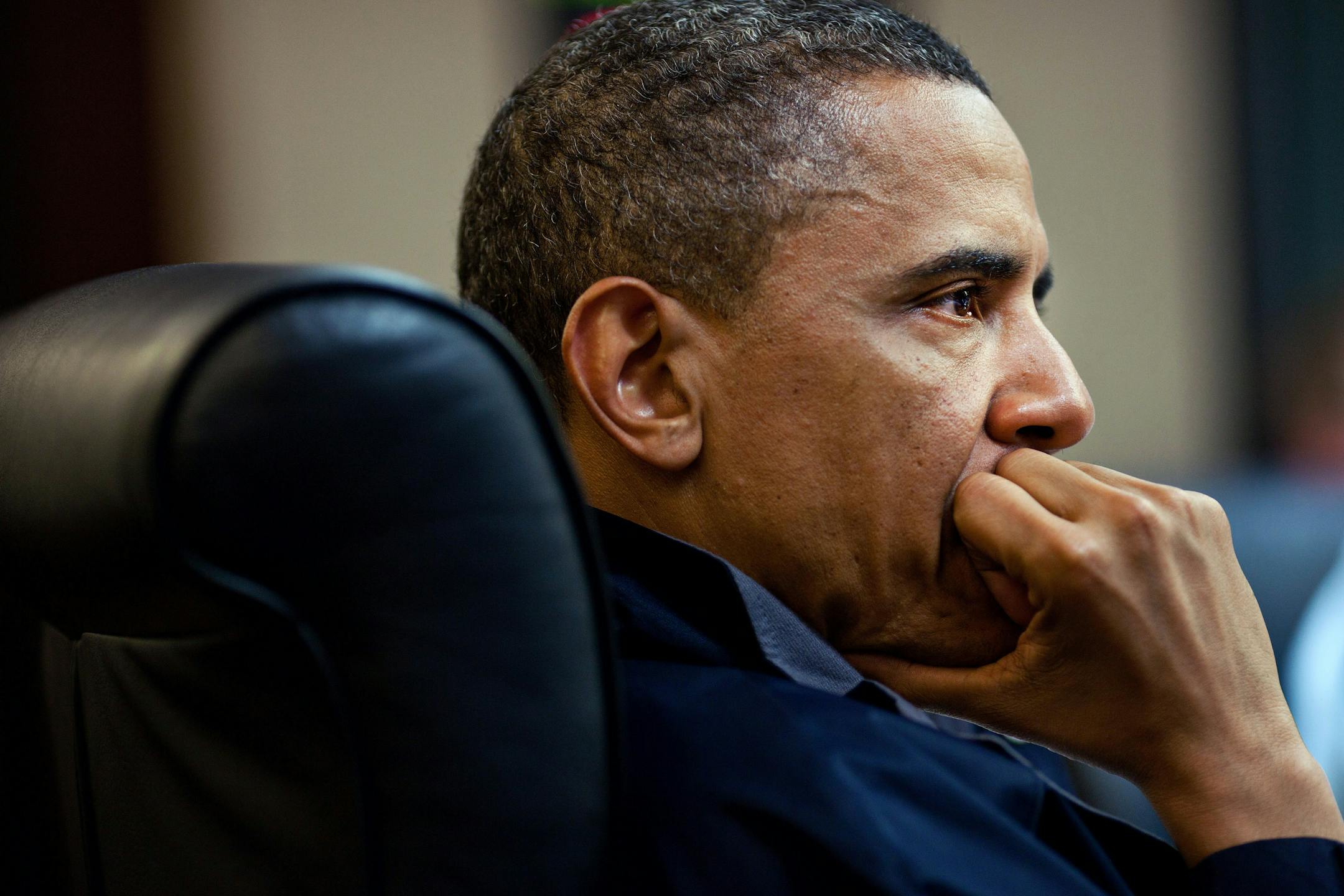
By Michael D. Shear, New York Times • Photographs by The New York Times, Pete Souza and Associated PressJANUARY 8, 2017Barack Obama claimed the presidency eight years ago in Chicago's Grant Park, declaring "a new dawn" in American history and promising the enthusiastic crowd of a quarter-million people that "we as a people will get there."
"Because of what we did on this day, in this election, at this defining moment, change has come to America," the new president-elect vowed.
But as the nation prepares to inaugurate Donald Trump on Jan. 20, the bold agenda he described that morning remains incomplete.
What Obama discovered — and what his successor will learn — is that every presidency lasts for only a brief moment in time.
Obama's health care bill gave insurance to millions, but he now faces calls for big changes — or an end — to it. The economy is markedly better, but incomes and growth remain stubbornly low. The immigration overhaul he wanted is tied up in legal limbo, as are his tough new climate rules. Fewer Americans are fighting in overseas wars, but the Islamic State in Iraq and the Levant has emerged as a new threat. Partisanship and racial tensions have intensified.
"There is a lot of unfinished business," said Tom Daschle, the former Democratic Senate leader from South Dakota, a longtime supporter of Obama. "The satisfaction comes in knowing that he has changed the landscape in a very profound way. The frustration comes in knowing what might have been."
Obama entered the White House a living symbol, breaking a color line that had stood for 220 years.
When he took office, race immediately became a focal point in a way that was unprecedented in American history. No matter his accomplishments, he seemed destined to be remembered foremost as the first black man to lead the world's most powerful nation.


