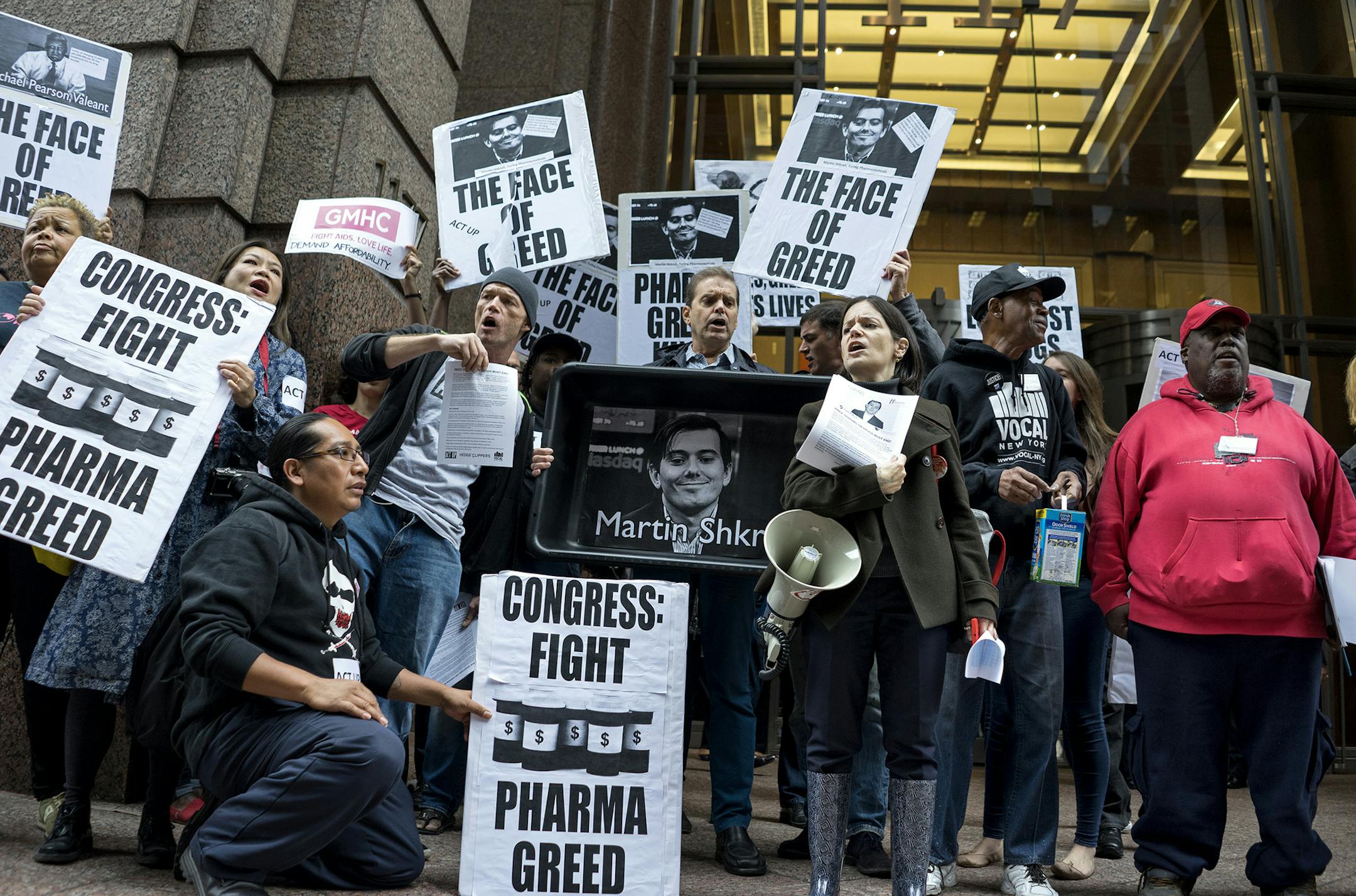
The usual explanation for headline-grabbing price increases in pharmaceuticals is a lack of effective regulation, or maybe the absence of an ethical compass in the executive suite.
The explanation that makes the most sense, though, is an absence of competition.
With a little competition, a 32-year-old hedge fund manager-turned-pharmaceutical executive named Martin Shkreli wouldn't have been able to overnight raise the price of a parasitic infection fighting therapy for HIV patients from $13.50 per tablet to $750.
That was a jaw-dropping price increase, and it has gotten widespread attention. But it quickly became clear that what was noteworthy was just how clumsy Shkreli was. The strategy is certainly nothing new.
It's important to note that prices for all pharmaceuticals in the United States increased just under 11 percent last year, so doubling or tripling prices across the board is not common pharmaceutical practice.
A handful of examples of big price increases seem to show up time and time again in news coverage of pharmaceutical pricing, and one is an effective narcolepsy drug called Xyrem. It was acquired by Jazz Pharmaceuticals as part of its acquisition of Minnetonka-based Orphan Medical a decade ago.
Sales of this drug increased from $29 million in 2006 to about $780 million last year, helped along with what Bloomberg estimated was price increases of about 841 percent from 2007 through the first part of last year.
Xyrem is a branded drug, but pharma companies have also been boosting the prices for generic drugs, meaning drugs that have lost patent protection and that could've had multiple competing manufacturers to keep prices down.