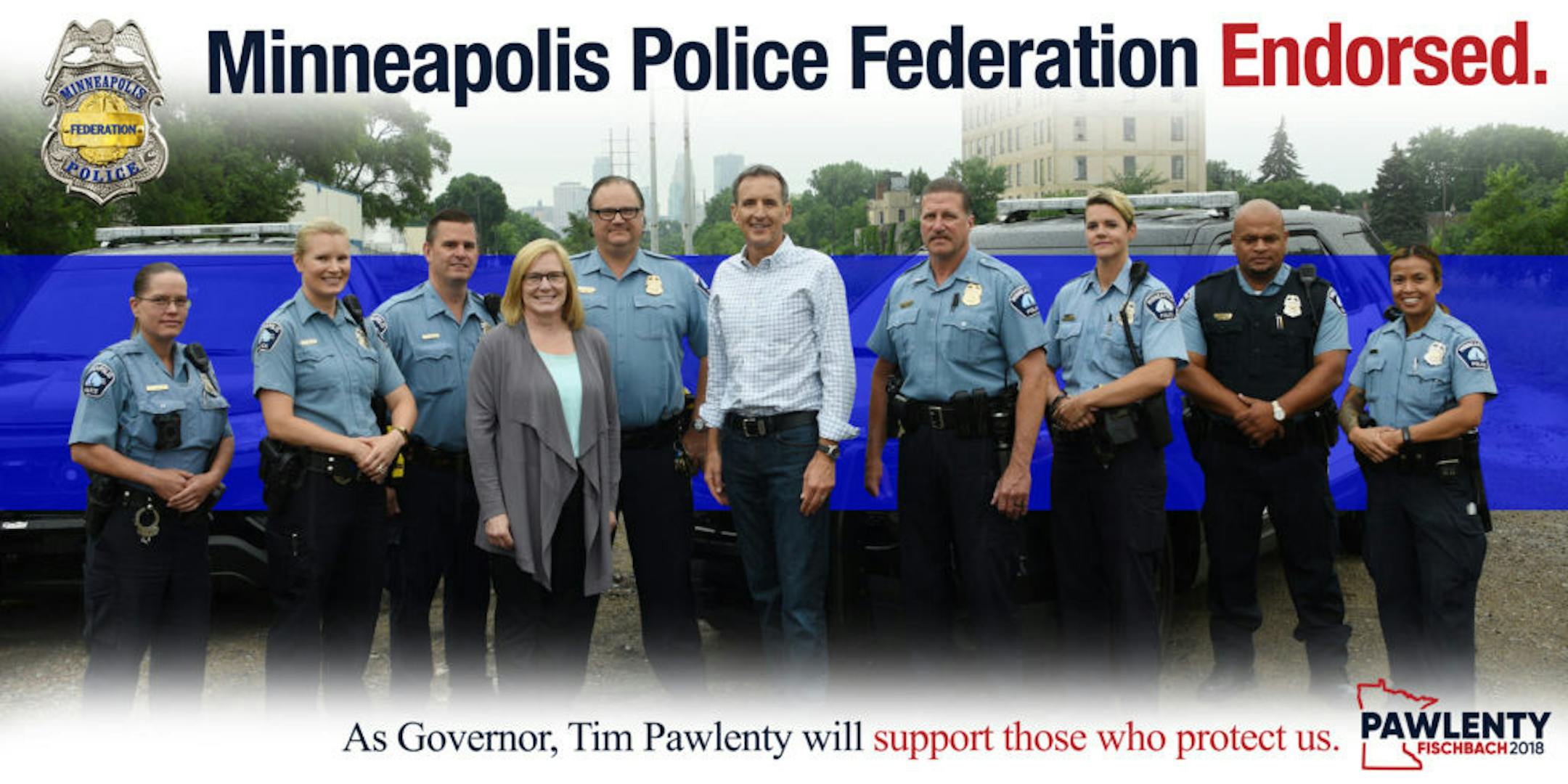
Headlines about Lori Swanson's work as attorney general flash across the TV screen. Erin Murphy speaks to the camera while marching down the street, followed by a crowd of supporters. Tim Walz talks to students in classrooms and school hallways. Tim Pawlenty and Jeff Johnson volley attacks at each other's records.
Minnesota's airwaves are filled with 30-second snippets of what candidates would — or would not — do if they land in the governor's office. And it's not just the five major gubernatorial hopefuls competing for airtime ahead of the upcoming primary election. Congressional candidates are also paying tens of thousands of dollars to get their message out to viewers.
And it's only August. If the lakes, trails or patios aren't beckoning, then air conditioning and Netflix probably are. As more people opt for streaming services over cable or broadcast TV and Minnesotans soak in the short season of sun, the question emerges: How effective are the expensive ads?
"Everyone's kind of checked out that's not really a hard-core insider at this point," said Minnesota Republican Party Chairwoman Jennifer Carnahan, who previously worked in corporate marketing. "So then you also have to question what impact is everything having right now outside that core base of reliable voters on both the Republican and DFL sides. Are people even paying attention? And I don't think they are."
Still, millions in campaign funds are going to ads. Candidates for governor have spent $688,632 to air 930 commercials on WCCO-TV alone, contract agreements filed with the Federal Communications Commission show. Those messages crop up throughout the day.
Morning viewers of "The Price is Right" have likely heard the dramatic music and a man's voice proclaiming that Swanson and running mate U.S. Rep. Rick Nolan are "Minnesota's tested, proven, progressive team." People tuned in to "The Late Late Show" may catch Walz talking about his time as a high school teacher and his plans for affordable prekindergarten and expanded technical education. "CBS This Morning" fans have undoubtedly heard Murphy say, "I'm running for governor because we've got big fights ahead, like health care for everybody and stopping the NRA."
The number of contested primaries this year has made for an unusually packed summer season of political ads and driven up the cost to air the commercials. Candidates are fighting to differentiate themselves from their opponents, and broadcast television — albeit the most costly way for campaigns to reach voters — still allows politicians to tell their stories to a wide audience.
For Johnson, who was the last candidate in the governor's race to put out a TV ad, that meant striking a contrast with fellow Republican and former Gov. Pawlenty.