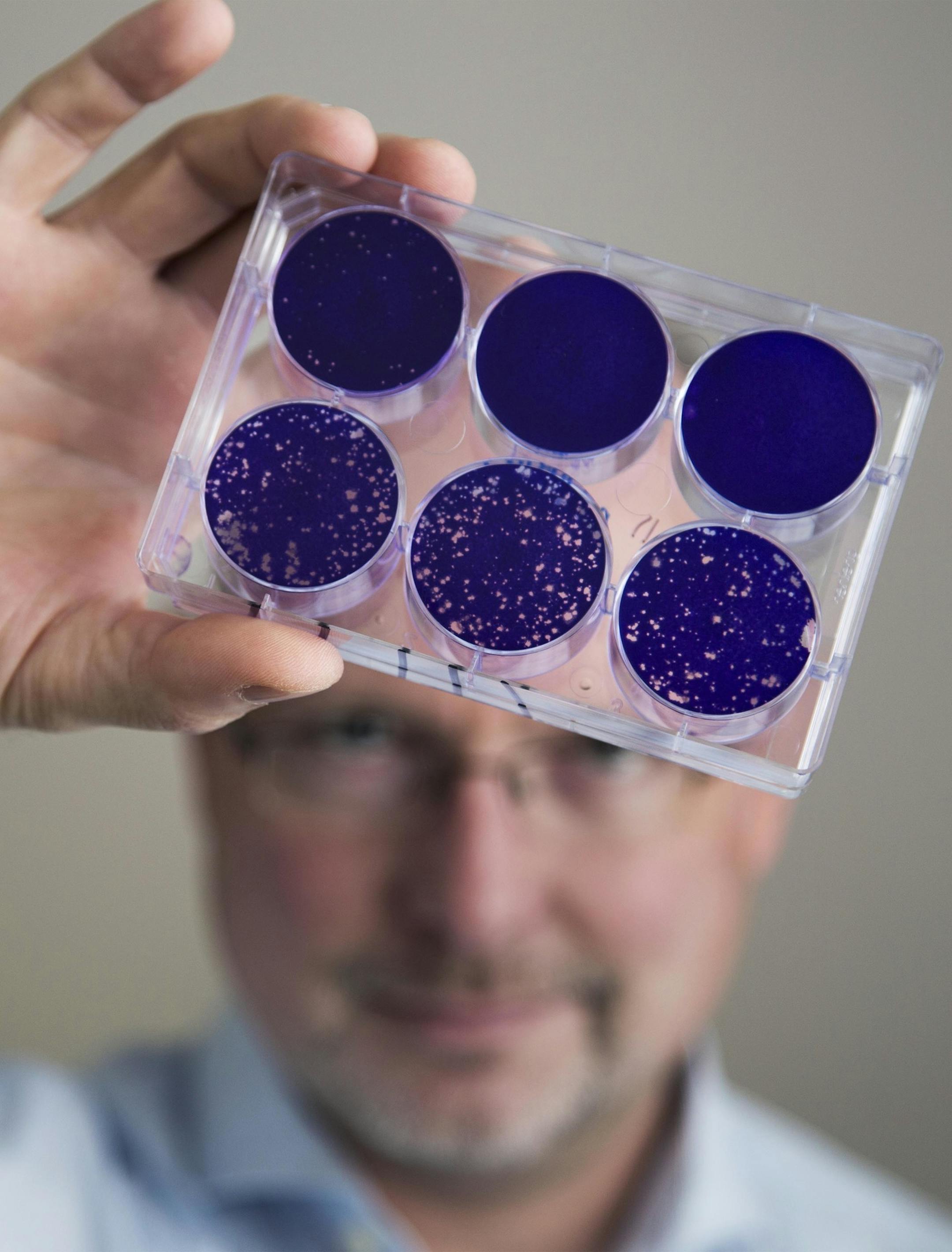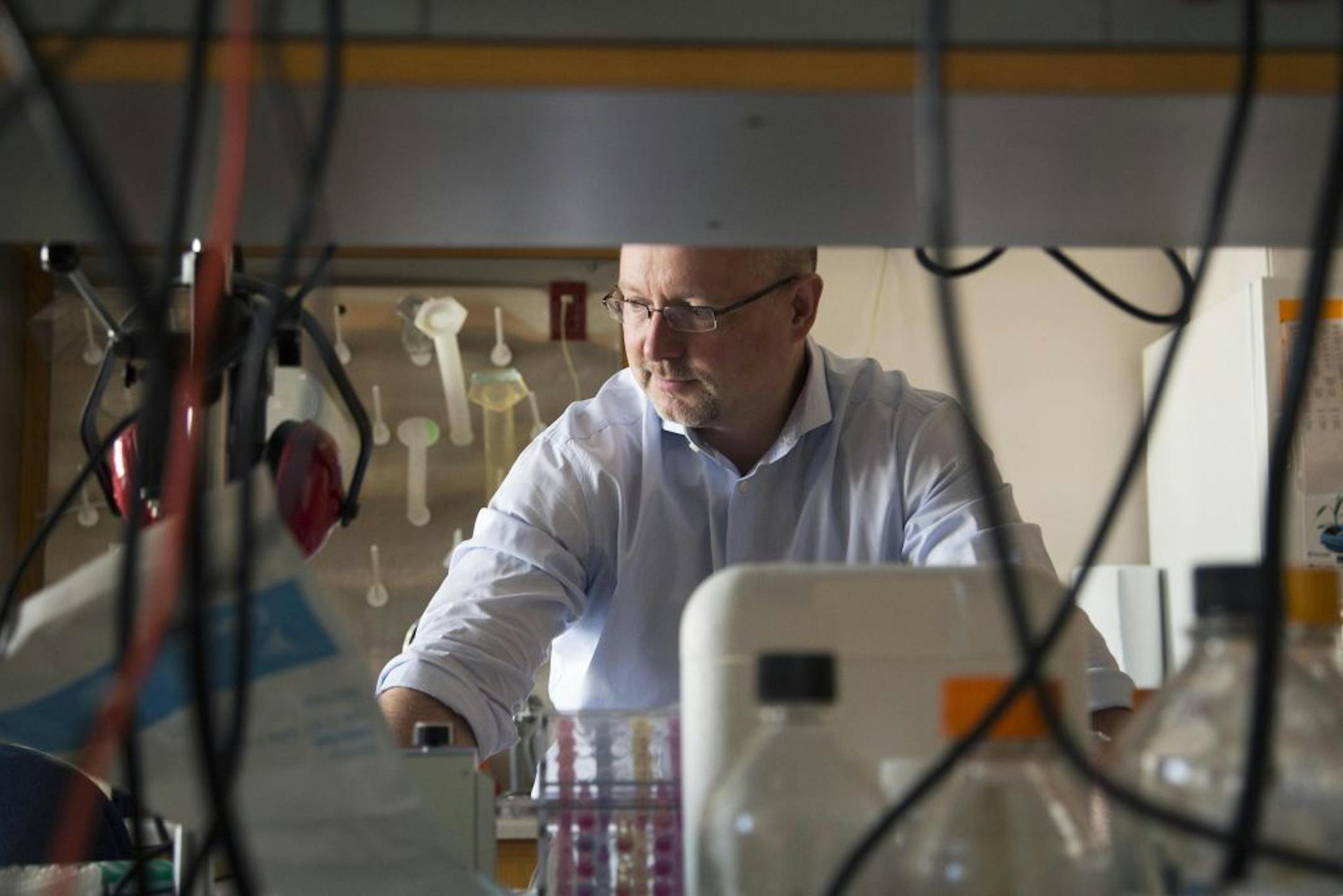
One of the world's most dreaded viruses has been turned into a treatment to fight deadly brain tumors.
Survival was better than expected for some patients in a study who were given genetically modified poliovirus, which helped their bodies attack the cancer, doctors reported. It was the first human test of the treatment and it didn't help most patients or improve median survival. But many who did respond seemed to have long-lasting benefit: About 21 percent were alive at three years versus 4 percent in a comparison group of brain tumor patients.
Similar survival trends have been seen with some other therapies that enlist the immune system against different types of cancer. None are sold yet for brain tumors.
"This is really a first step," and doctors were excited to see any survival benefit in a study testing safety, said one researcher, Duke University's Dr. Annick Desjardins.
Preliminary results were published online by the New England Journal of Medicine.
Brain tumors called glioblastomas often recur after initial treatment. Sen. John McCain is being treated for one. Immunotherapy drugs like Keytruda help fight some cancers that spread to the brain but have not worked well for ones that start there.
Polio ravaged generations until a vaccine came out in the 1950s. The virus invades the nervous system and can cause paralysis. Doctors at Duke wanted to take advantage of the strong immune system response it spurs to try to fight cancer. With the help of the National Cancer Institute, they genetically modified poliovirus so that it would not harm nerves but still infect tumor cells.
The treatment is dripped directly into the brain through a thin tube. Inside the tumor, the immune system recognizes the virus as foreign and mounts an attack.