(The Minnesota Star Tribune)
梅花 méihuā. Song dynasty poets were enamored with them. Prunus mume, Chinese plum, Japanese apricot, ume from the Japanese, mei from the Chinese, winter plum – the flowering tree goes by many names.
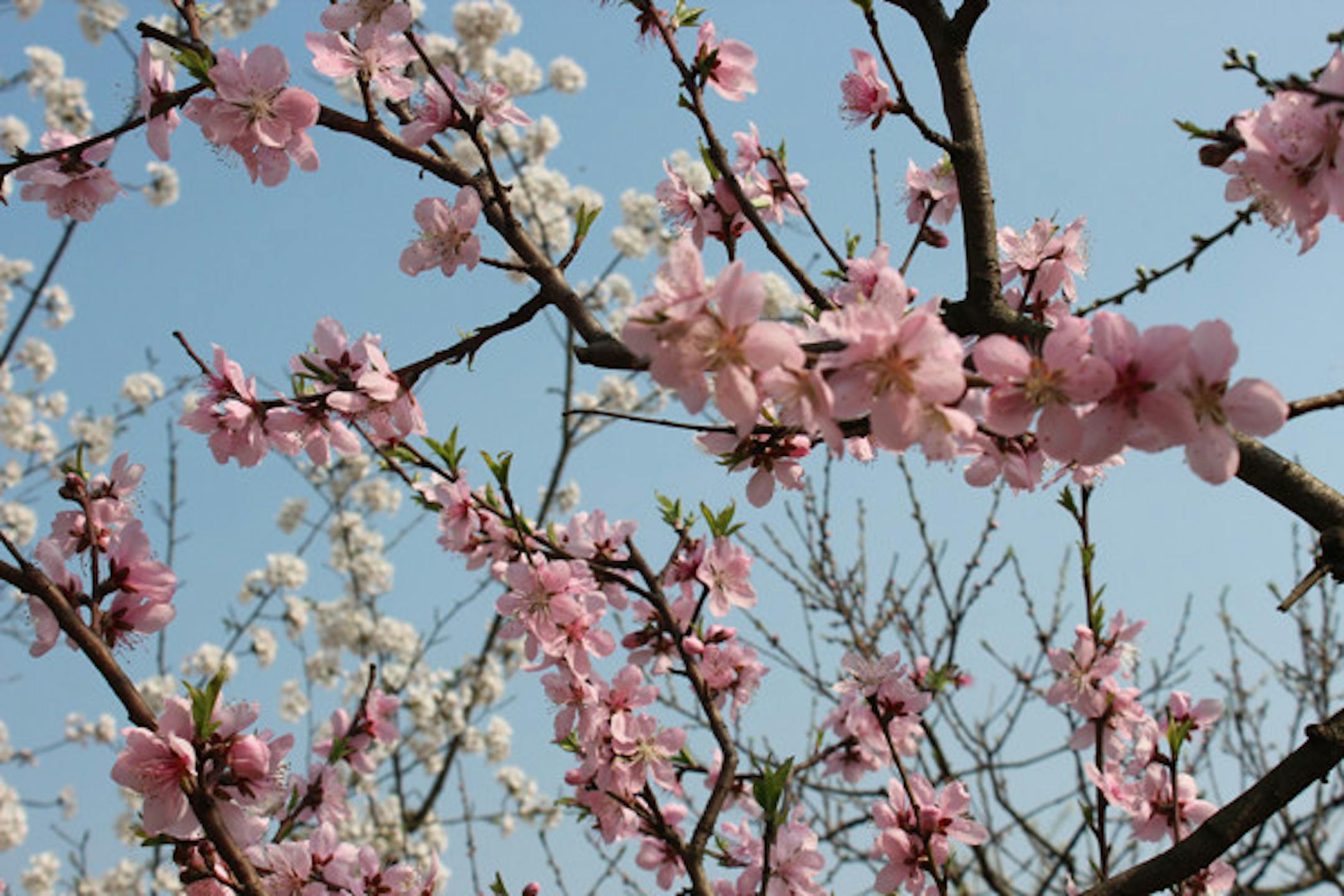
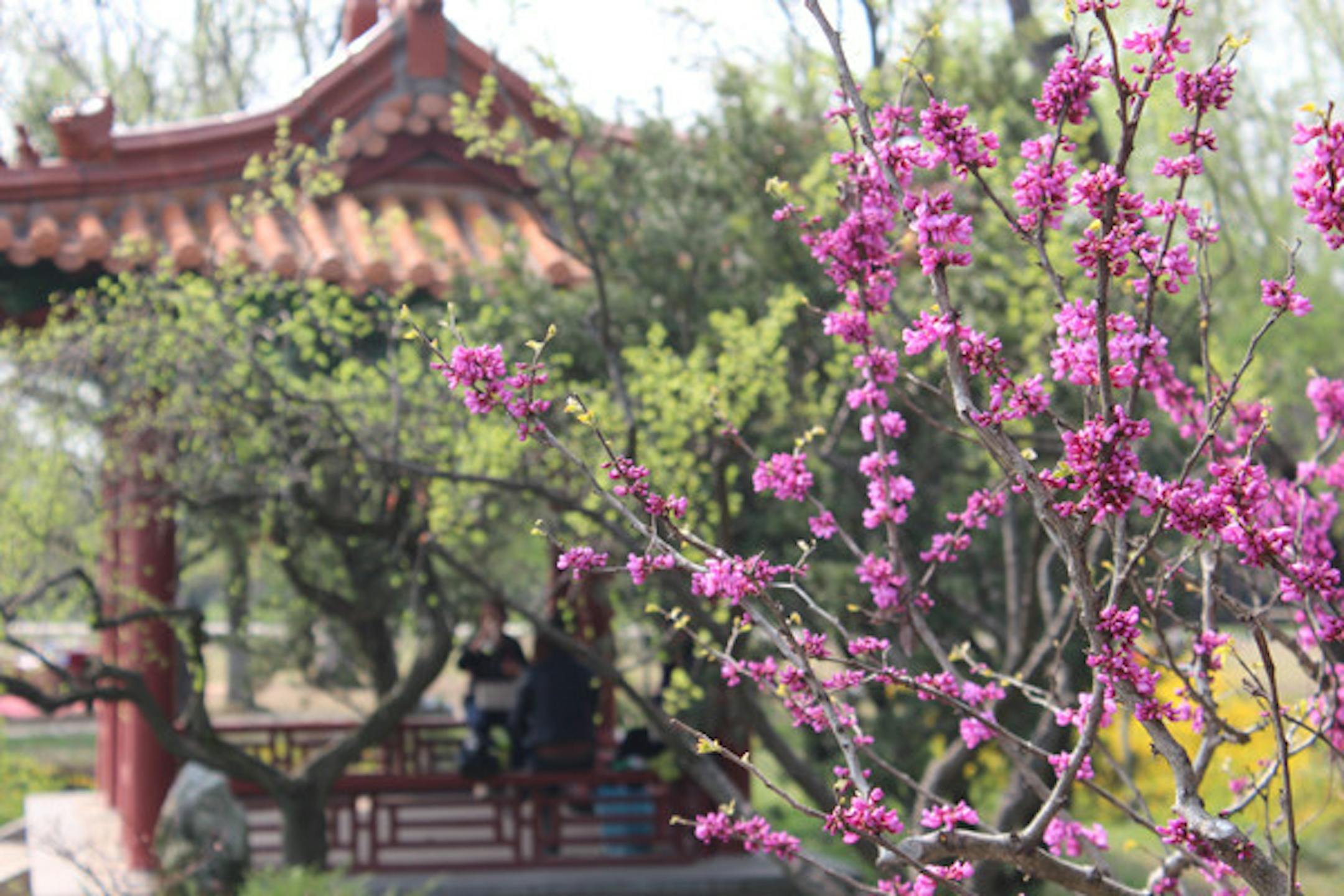
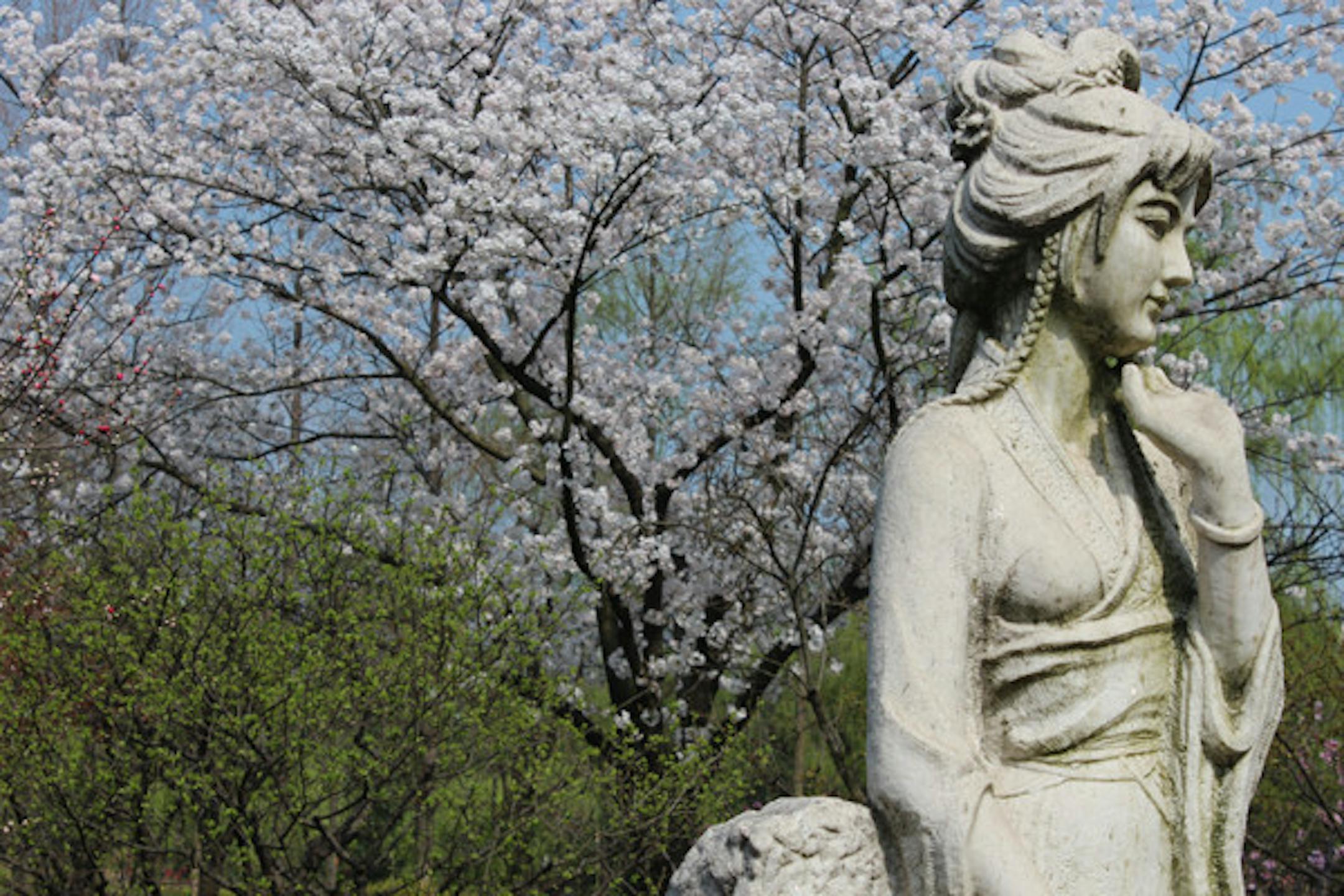
The annual International Plum Blossom Festival begins in late February. By March, the Zhongshan national park on the edge of Nanjing is bursting with five-petal blossoms.
(The Minnesota Star Tribune)
A few months ago, when a friend asked "what is Nanjing famous for?" I answered, "the massacre." True, but a nicer answer would have been the plum blossoms. The festival officially launched in 1996, and while it still seems to be a well-kept secret, its organizers are aiming high, an event to rival Japan's cherry blossoms. The "international" month-and-a-half festival is one the city government's website boasts attracts millions.
(The Minnesota Star Tribune)
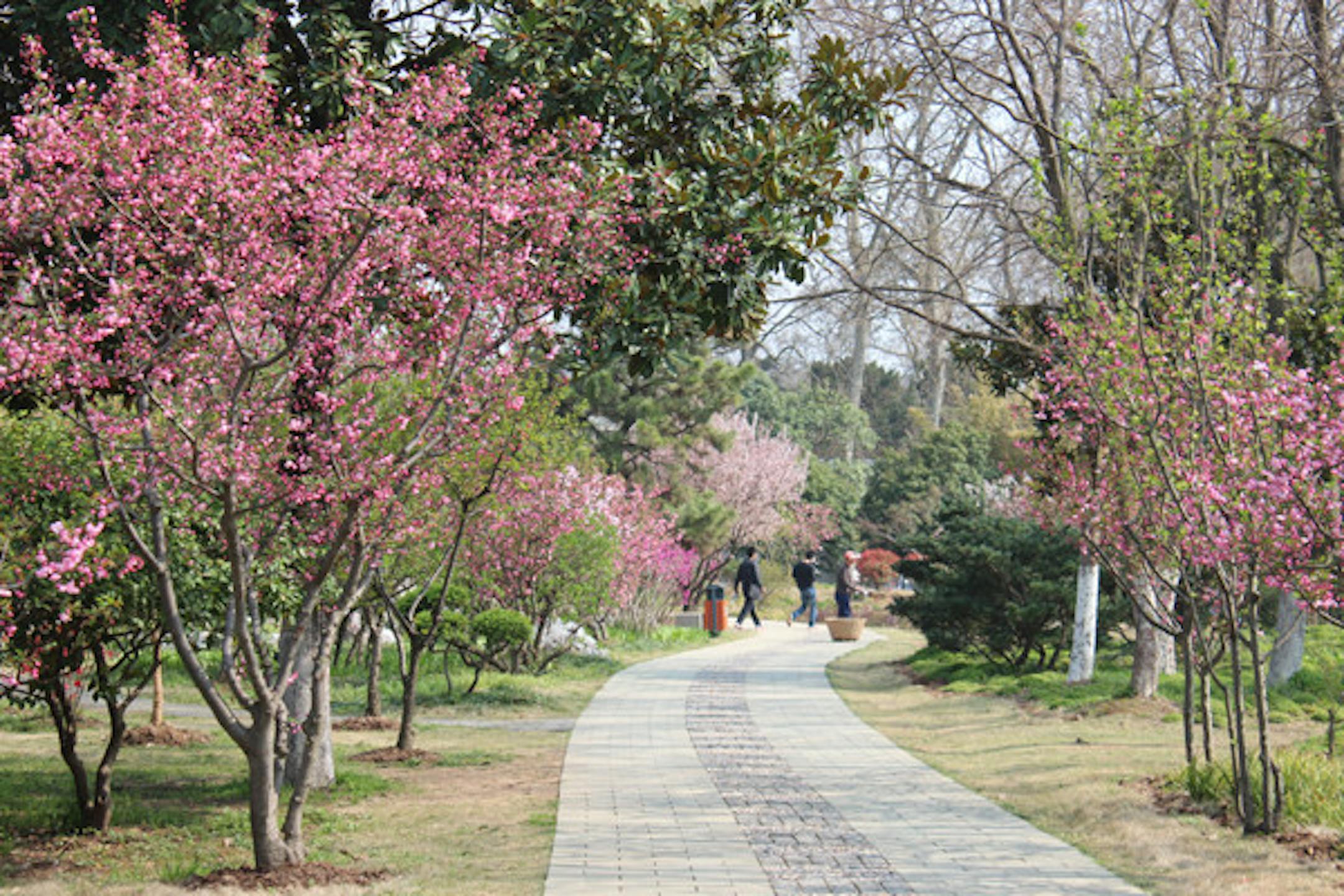
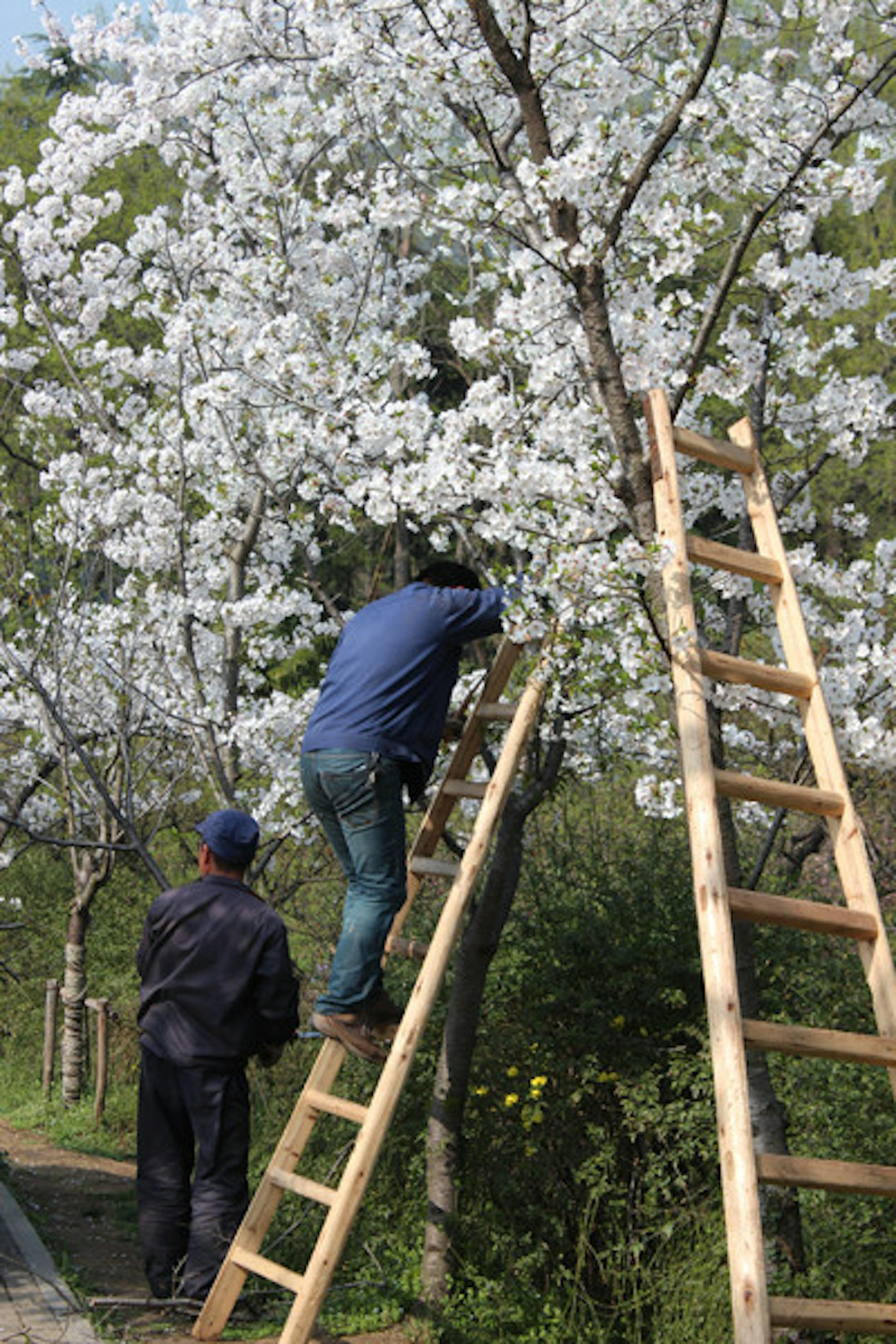
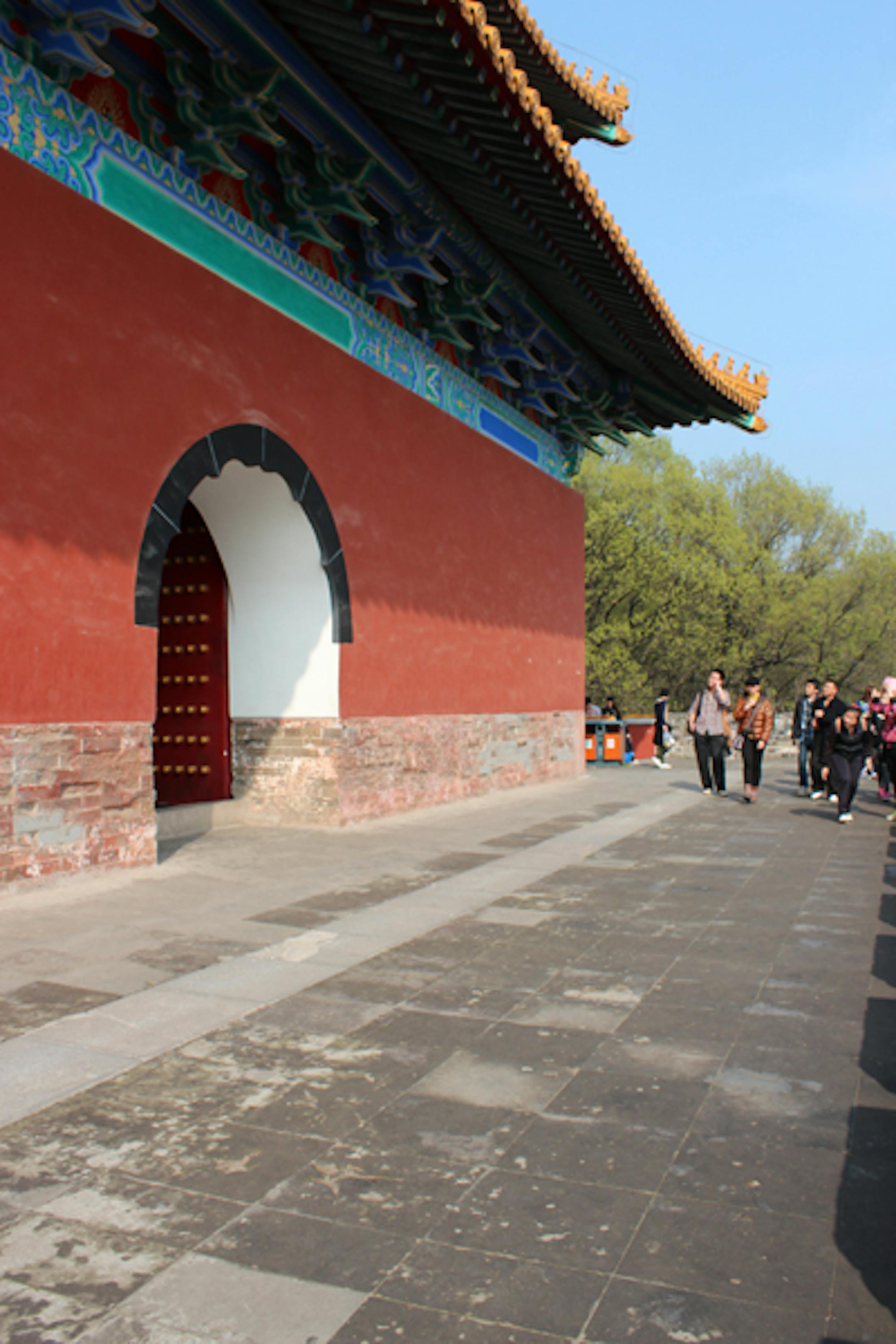
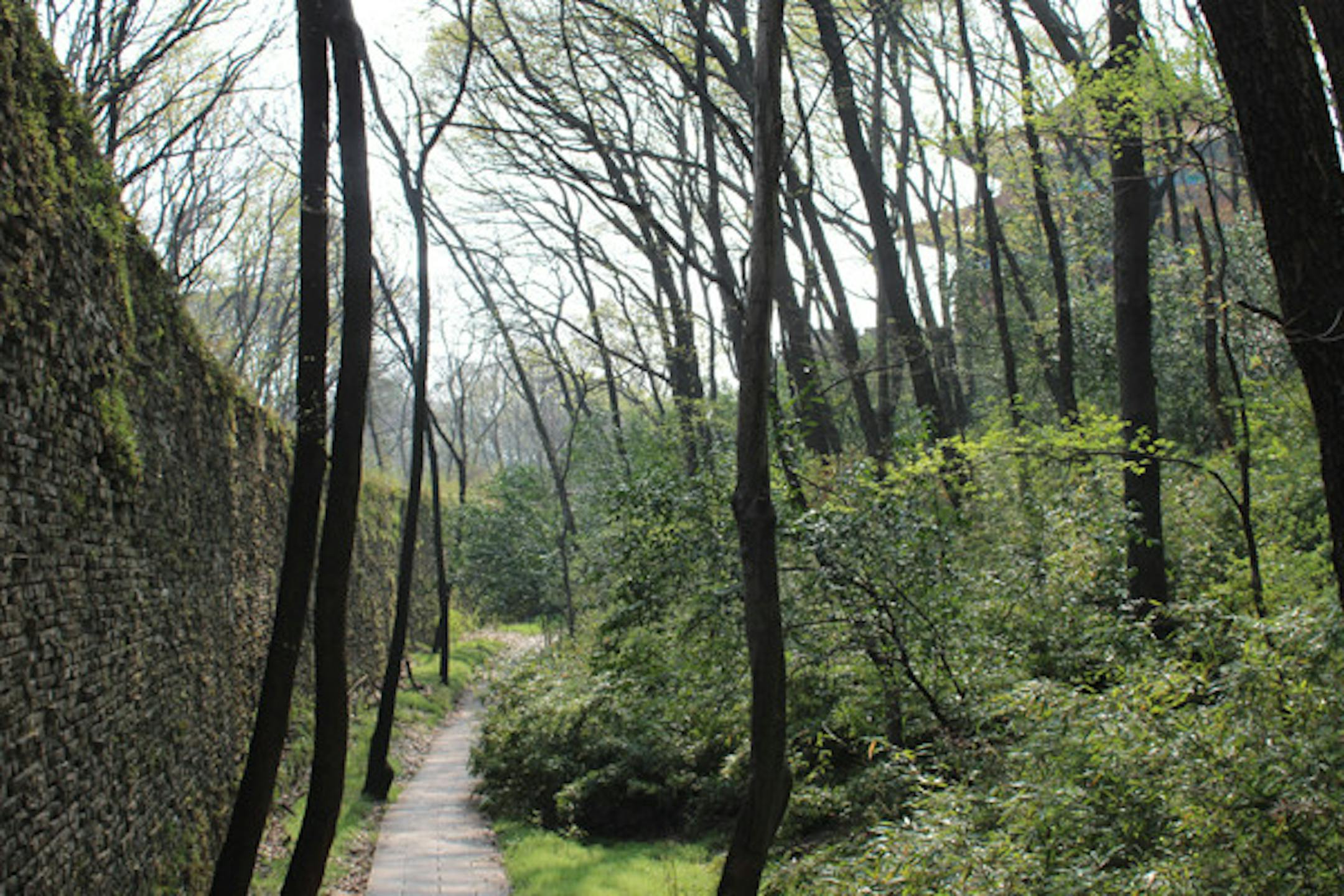
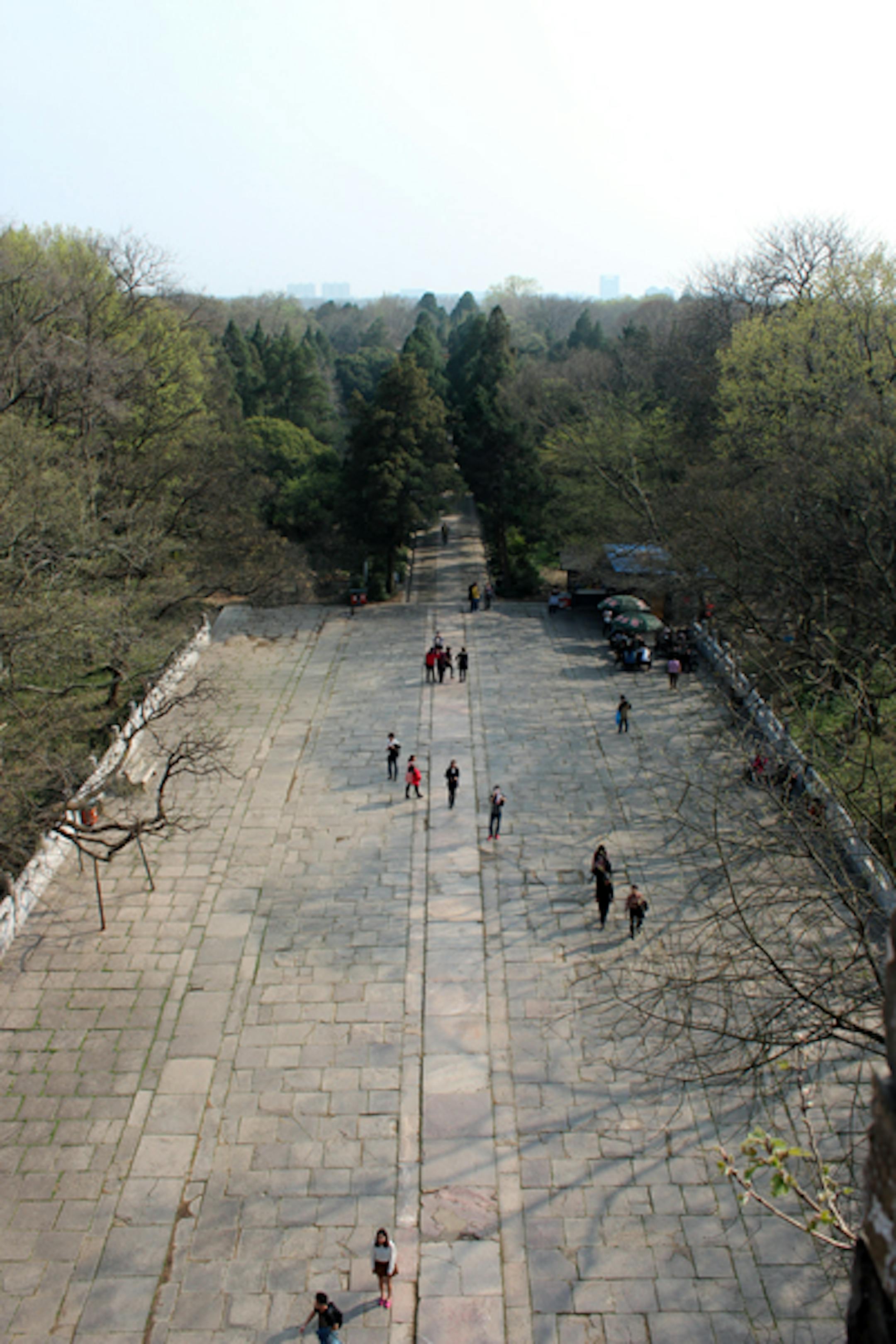
I visited on a Wednesday, when only a sprinkling of people milled about. Sometimes I walked for full minutes without seeing anyone at all, a beautiful rarity in urban China. Many of the people there were workers pruning trees, or elderly people who seem to congregate in parks.
(The Minnesota Star Tribune)
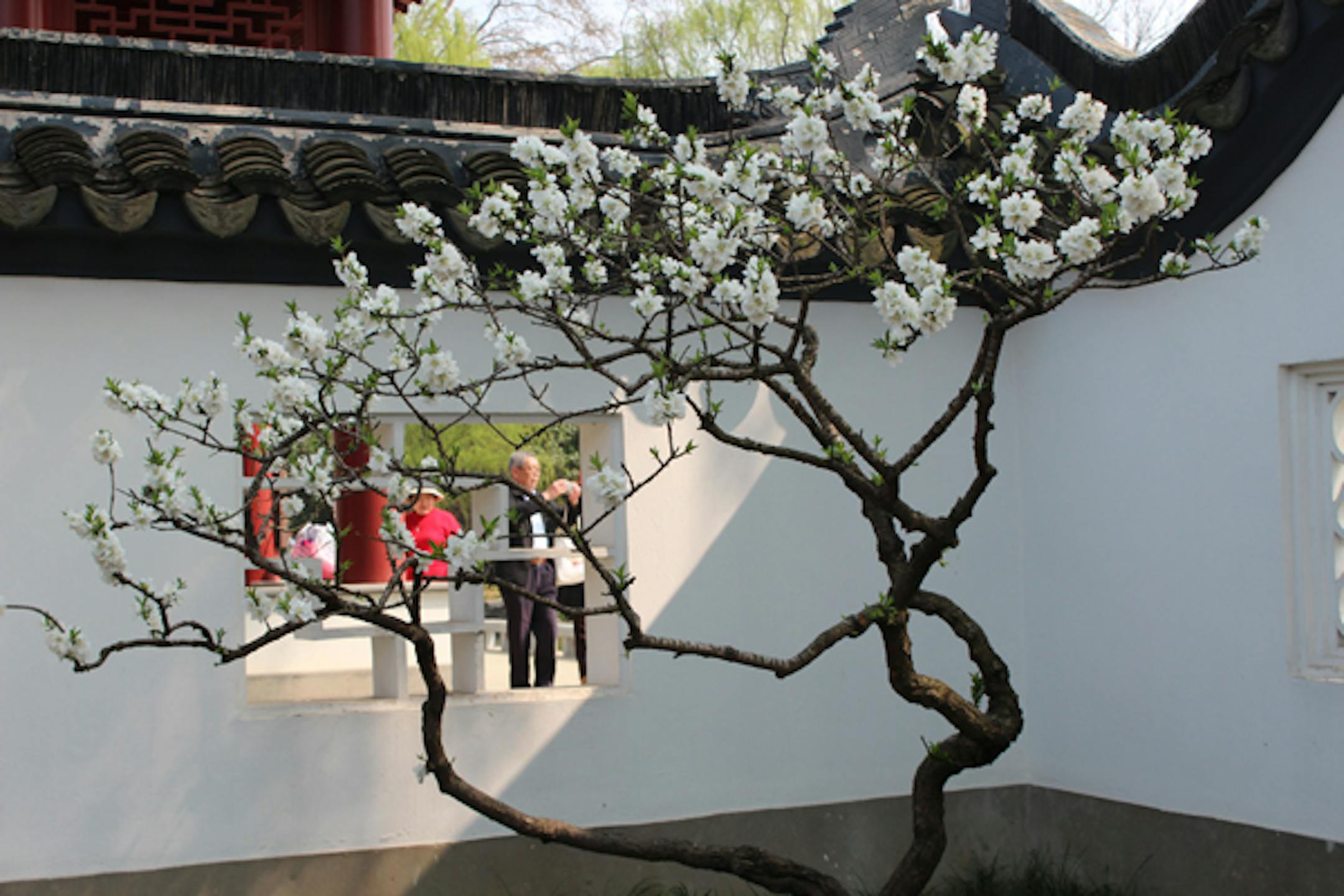
The smaller numbers might also have been because I entered the part of the park that required a ticket, leading to Plum Blossom Hill and the gardens staged after famous scenes from the novel Dream of the Red Chamber. I realized on my way out there was a back gate standing wide open.
That was toward the tail end of the festival, a beautiful late March afternoon. There were still quite a few blossoms, even if the lady selling tickets next to the big PLUM BLOSSOM FESTIVAL sign said when I asked where to find them, "oh, plum blossoms? Those are all gone."