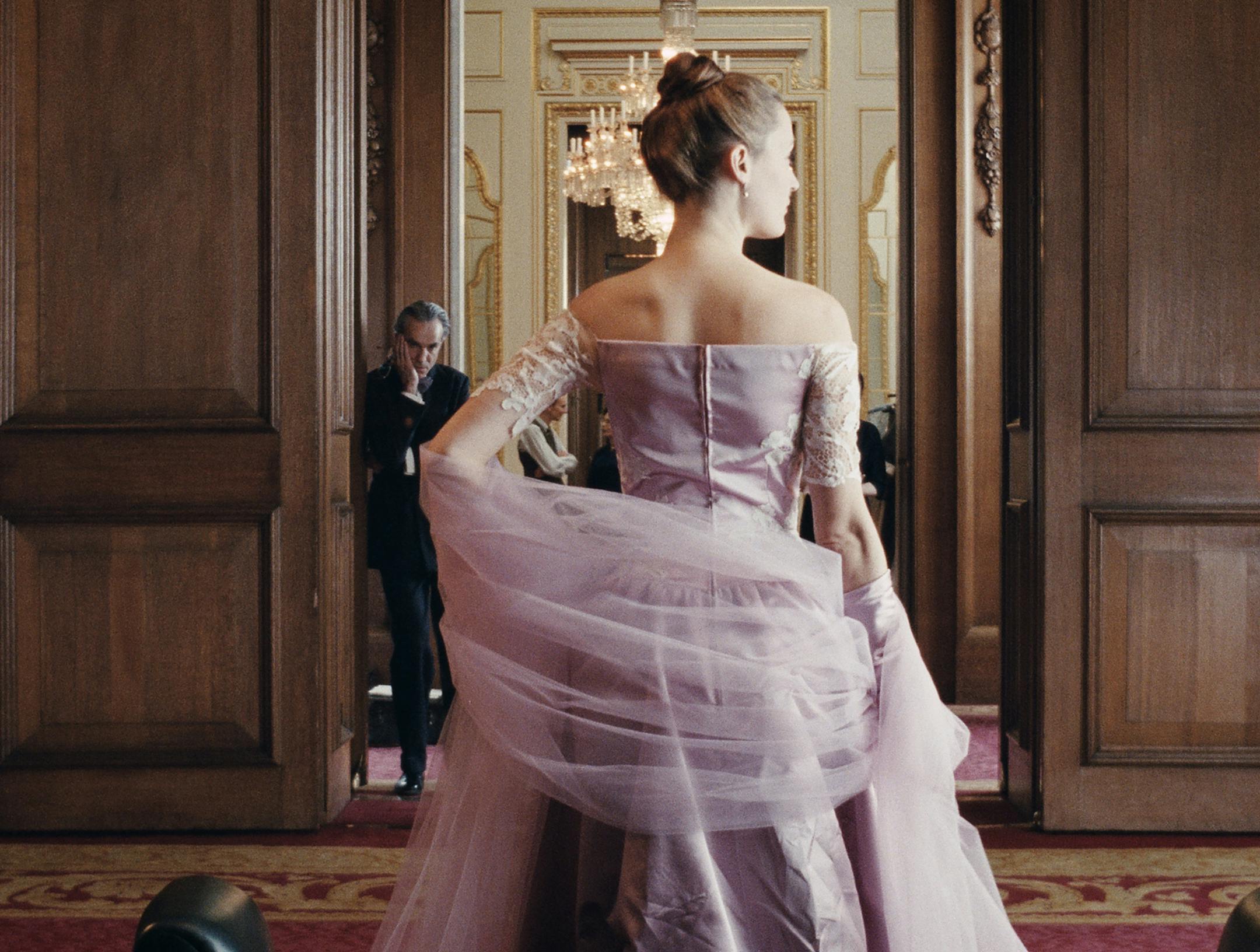
Midway through Paul Thomas Anderson's new film "Phantom Thread," the main character — a 1950s fashion designer played by Daniel Day-Lewis — descends a staircase in his elegant London townhouse. He has worked a long day and taken a bath and is coming downstairs for an at-home dinner. He is wearing lavender pajamas that look to be made of insanely expensive cotton, with a cardigan sweater, a paisley ascot scarf and a tweed jacket. He looks comfortable, beautifully coordinated and utterly smashing.
And, according to the film's costume designer, Mark Bridges, that particular styling was courtesy of Day-Lewis himself. The actor, known for immersing himself in his roles, put the outfit together from pieces in an extensive wardrobe provided to him — imagining what his character, Reynolds Woodcock, might wear on just such an occasion.
Bridges, in a phone interview last month, said he worked with Day-Lewis and Anderson to assemble several clothing pieces for the character — vintage and custom-made.
"We created his wardrobe, and we put it in his room as a closet," Bridges said. "So he was able to walk in there and dress as he felt Reynolds would dress at any given time. He would text me sometimes, 'Does that seem all right, are you OK with that?' Without exception, I felt, if it was coming from a place of creation with him, then it would be fine for me."
For the dinner scene, "Paul and I waited with bated breath to see what was going to come down those stairs!" Bridges said. "I was really thrilled with it."
Bridges, an Academy Award-winning designer (for 2011's "The Artist"; he was also nominated for Anderson's 2014 "Inherent Vice"), has worked with Anderson various times before, but never on a film quite so costume-focused.
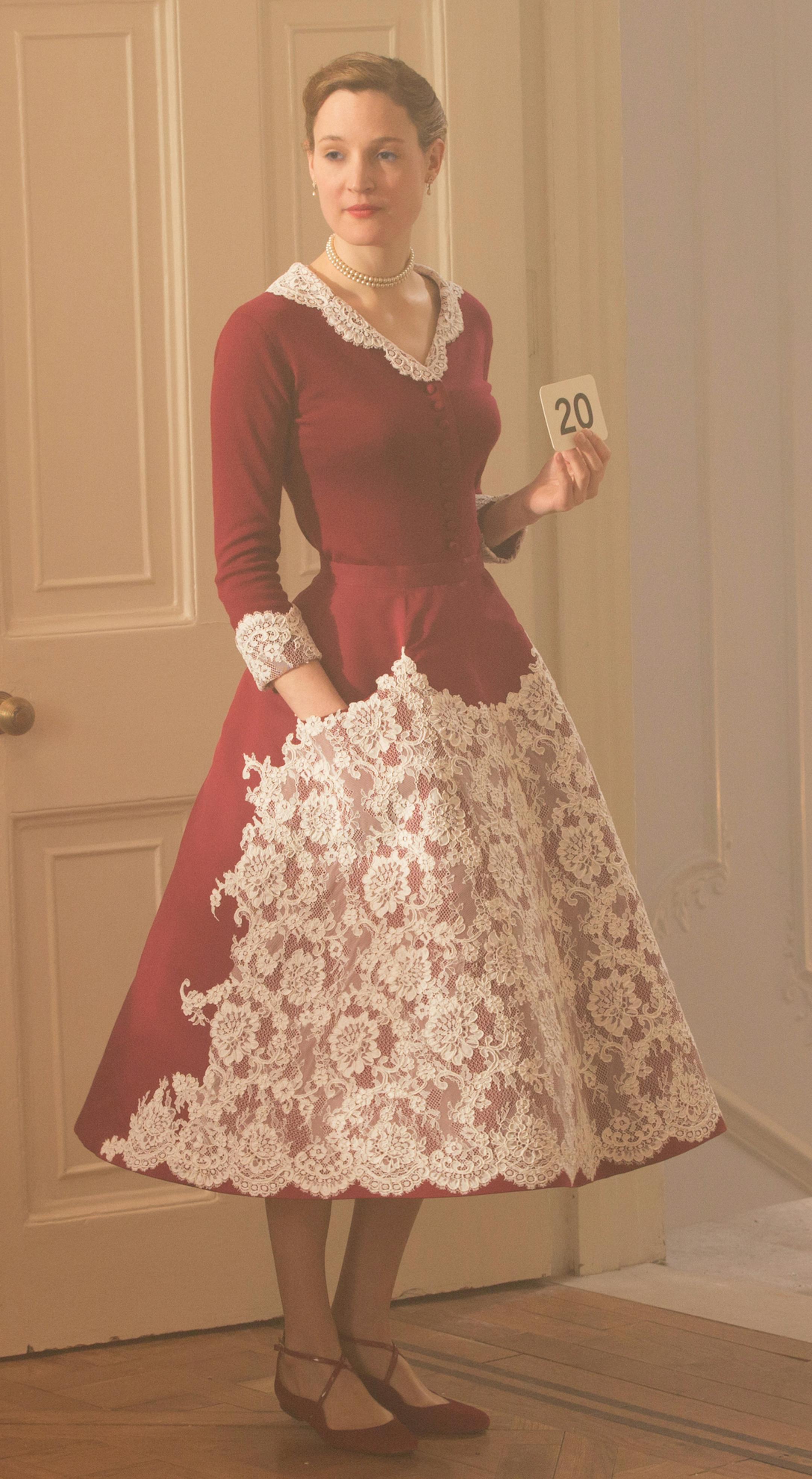
For "Phantom Thread," he created not just period-appropriate wardrobes for Day-Lewis and the other characters, but an entire spring line for a House of Woodcock fashion show.
It was a fascinating time for fashion, coming shortly after the postwar birth of Christian Dior's ultrafeminine New Look — which, Bridges explained, "was a reaction to the end of some of those wartime deprivations, the scarcity of things." Clothing rationing in the U.K. had only just ended in 1949 (Queen Elizabeth II famously had to save ration coupons for her silk wedding dress, two years earlier) and couture customers happily dived into luxury again.