

Labs rule – again
For a record 28th straight year, Labrador retrievers are the No. 1 pick of dog lovers in the United States. The American Kennel Club's registration statistics track the numbers of the 192 AKC-recognized breeds. The Lab hit first place in 1990 and hasn't left it since, mainly because of its friendly character and ease of training. The Lab's devotion to people may also be a factor. "They live to breathe your air," says Lab breeder Linda Rehkopf. Following the Lab, in order of popularity, are the German shepherd, golden retriever, French bulldog, bulldog, beagle, poodle (all three varieties), Rottweiler, German shorthaired pointer and Yorkshire terrier.
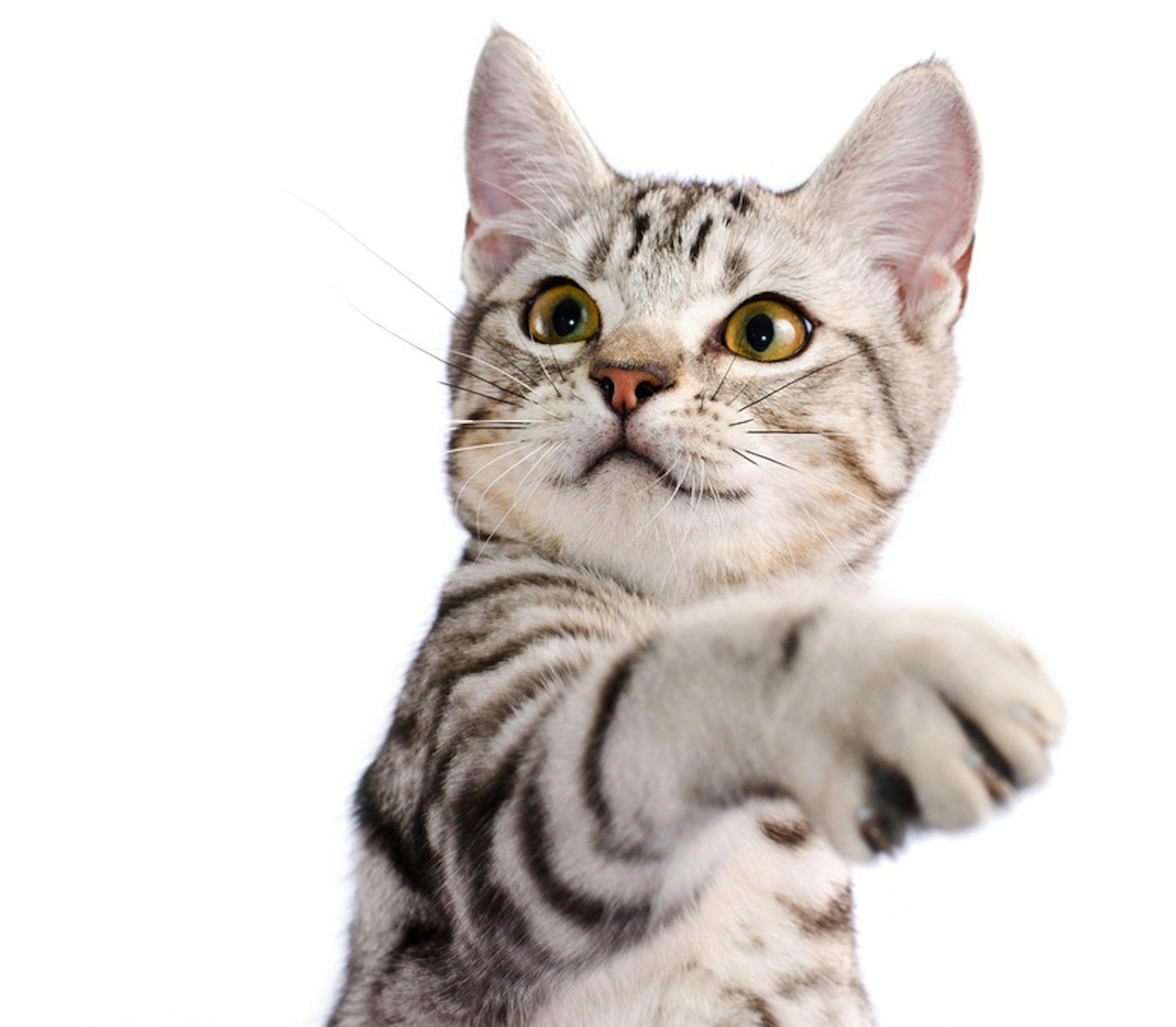
Cats need their space
We think of cats as loners, but they can live together amicably given enough space for each cat and a consistent and predictable daily routine. According to cat expert Dr. Tony Buffington, a happy cat is a cat that has unrestricted access to high-perch resting areas free of loud noises and pursuit by dogs and small children. There should be enough space in a room for each cat to keep a social distance of at least 3 feet. Some cats are happy to share space and groom each other, while others take turns using resting areas at different times of day. Sort of a kitty timeshare.
Pet Connection


