

The Minneapolis Park and Recreation Board will seek a property tax hike of up to 13 percent for 2017 to guard its budget against proposals to mandate worker pay and sick leave that are pending at City Hall.
That's already prompting reaction from other elected officials who expressed concern over the size of the proposal. "That's a very large increase and it's a big number," said Carol Becker, president of the Board of Estimate and Taxation, which sets maximum levies in Minneapolis.
Superintendent Jayne Miller told the Park Board this week that a proposed $15 per hour minimum wage could add $2.2 million in costs to the park general fund, which is largely supported by property taxes. The proposal to expand sick leave coverage would cost up to $271,000, she said.
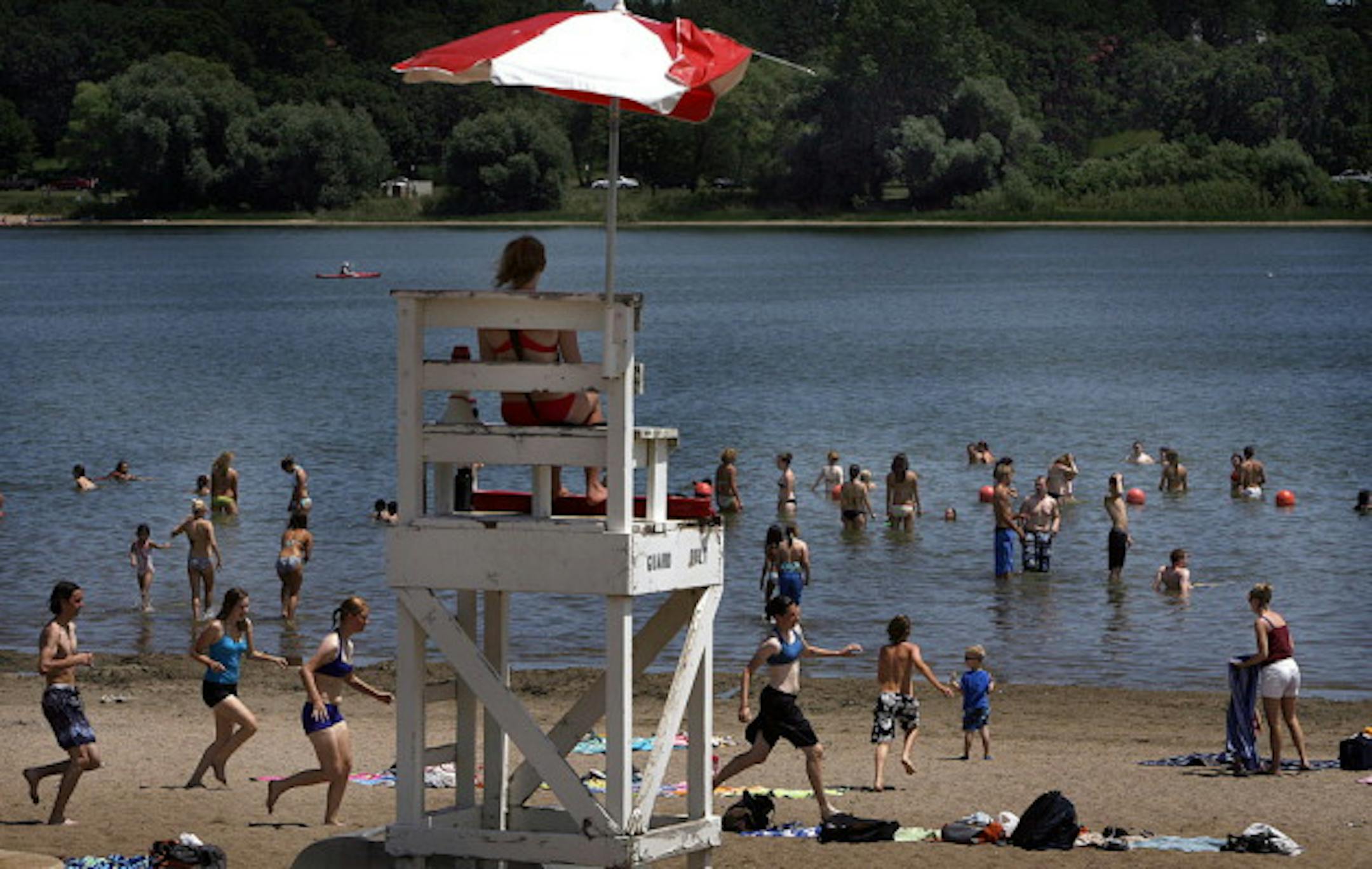
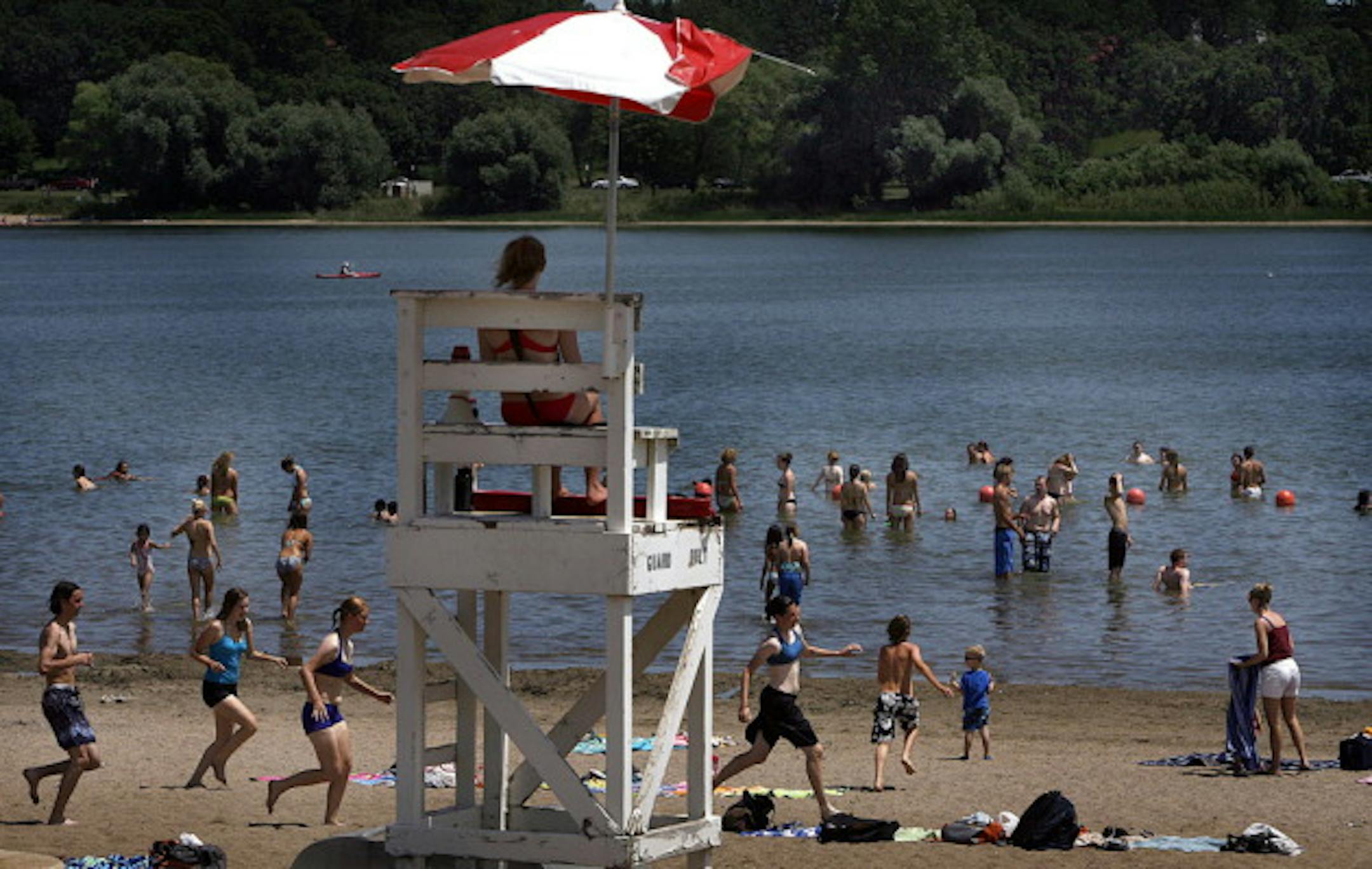
Although full time Park Board workers exceed the $15 hourly threshold, the system employs many more seasonal part time workers who are paid as low as $9 hourly without benefits. Last year, the number of part time workers fluctuated from 546 in January to 1,480 in August. They hold such jobs as lifeguards, gardening, recreation program workers and child care aides.
Miller said her proposal is designed to protect the budgetary gains that the Park Board recently negotiated with City Hall to address maintenance and capital needs in neighborhood parks.
But Becker questioned whether the Park Board is even covered by the proposed mandates as a semi-independent municipal body. Brian Rice, an attorney hired by the board, called that s a "good question" that he'd need to research. Other non-municipal governments such as Hennepin County are not covered by the proposed mandates.
The board sought a base increase of 3.8 percent -- the same as called for in the city's five-year financial plan -- to maintain ongoing programs, but anticipated wage and health insurance benefits consuming more than the roughly $2 million that would yield. It would also raise its levy by another 5.5 percent to provide the $3 million that City Hall officials agreed should be spent annually for 20 years to improve maintenance at local parks. That will fund such tasks as more frequent mowing and pruning.
The Park Board directed Miller to round up those two increases to 10 percent to to try to close the $700,000 gap she's projected from cost increases in ongoing programs. The 10 percent would raise $5.37 million, and represent about $20 more annually from the owner of a median-value $205,000 house.

