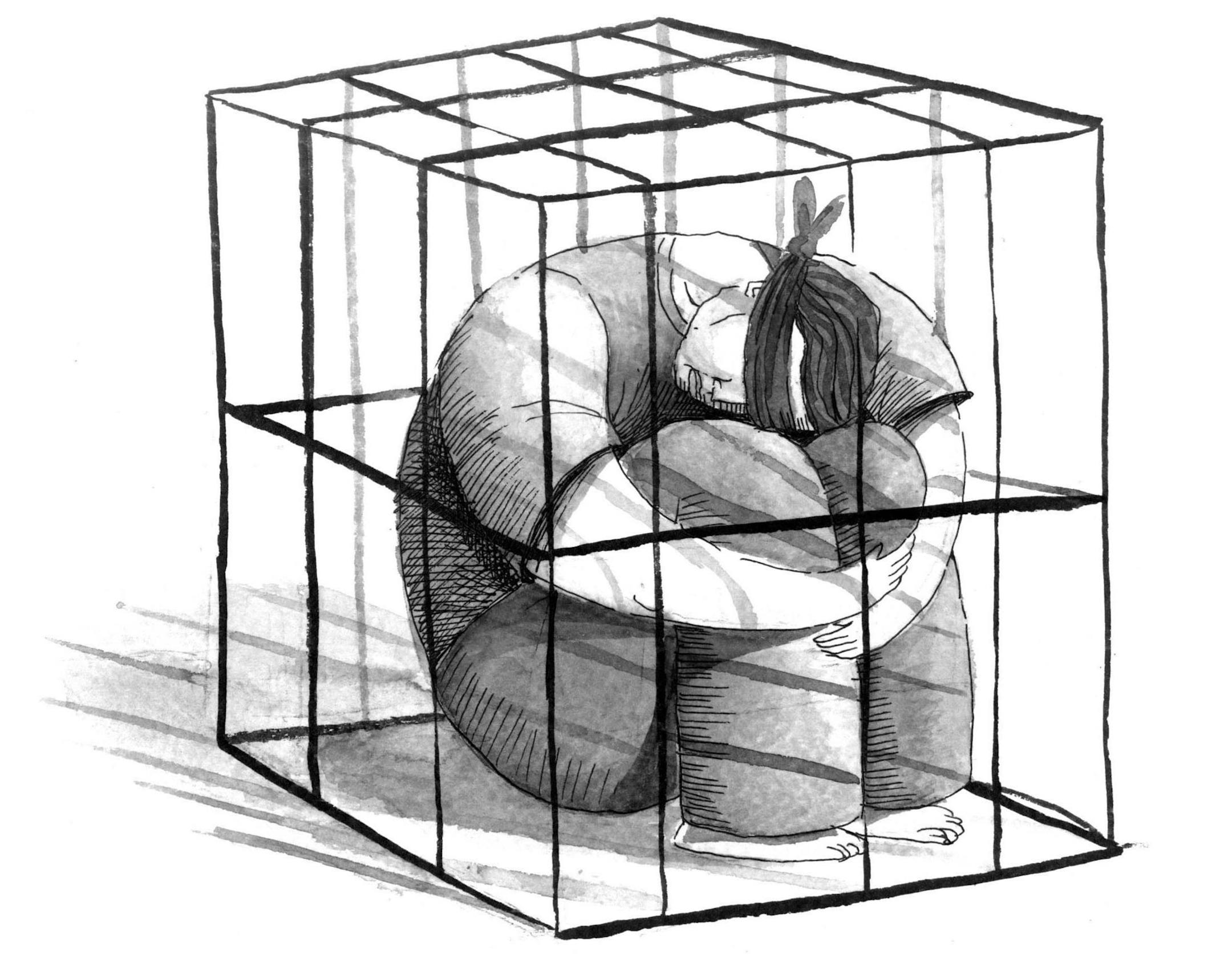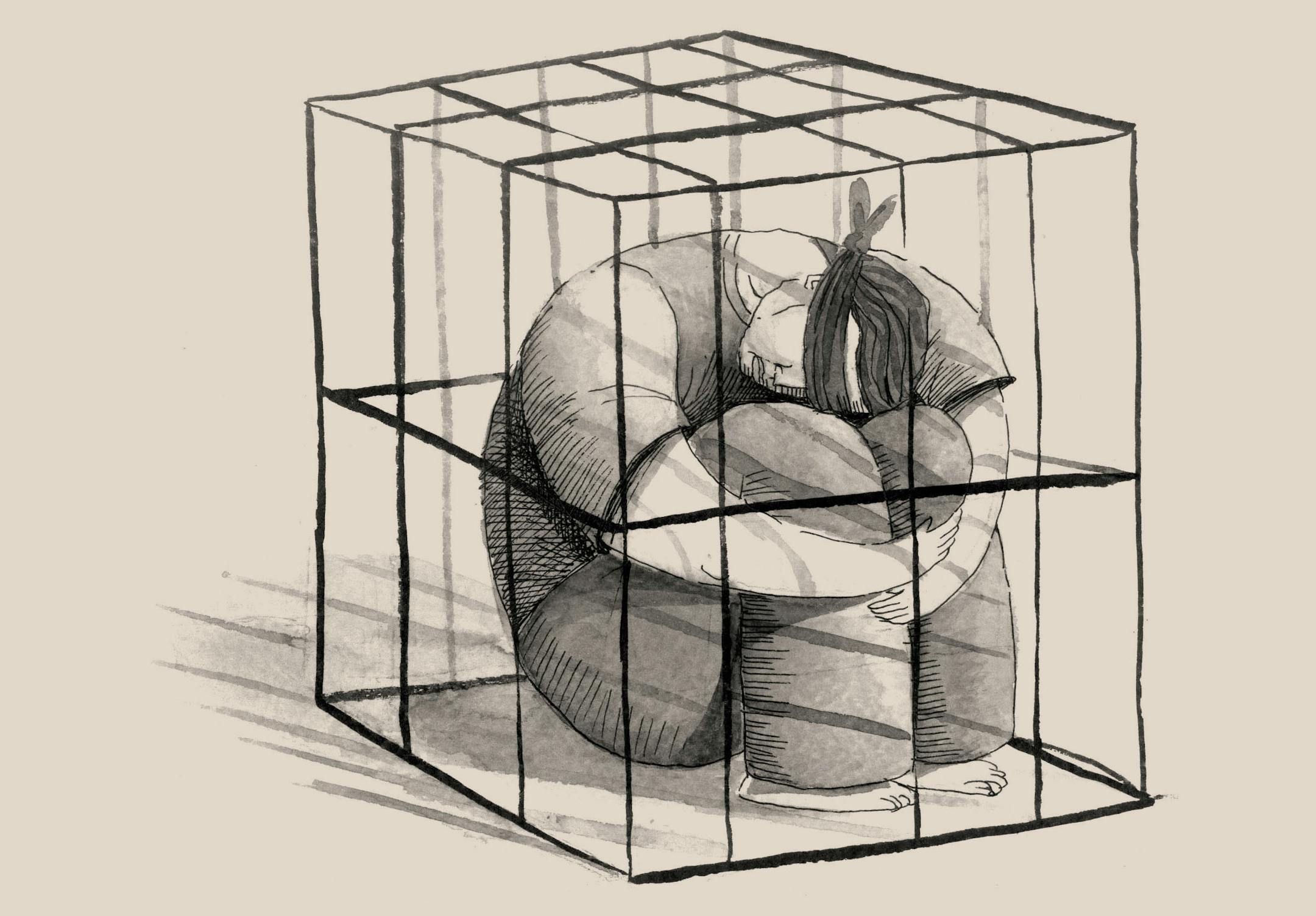
Before President George W. Bush left office, a group of conservatives lobbied the White House to grant pardons to the officials who had planned and authorized the U.S. torture program. My organization, the American Civil Liberties Union (ACLU), found the proposal repugnant. Along with eight other human rights groups, we sent a letter to Bush arguing that granting pardons would undermine the rule of law and prevent Americans from learning what had been done in their names.
But with the release of the report from the Senate Select Committee on Intelligence, I have come to think that President Obama should issue pardons, after all — because it may be the only way to establish, once and for all, that torture is illegal.
That officials at the highest levels of government authorized and ordered torture is not in dispute. Bush issued a secret order authorizing the CIA to build secret prisons overseas. The CIA requested authority to torture prisoners in those "black sites." The National Security Council approved the request. And the Justice Department drafted memos providing the brutal program with a veneer of legality.
My organization and others have spent 13 years arguing for accountability for these crimes. We have called for the appointment of a special prosecutor or the establishment of a truth and reconciliation commission, or both. But those calls have gone unheeded. And now, many of those responsible for torture can't be prosecuted because the statute of limitations has run out.
To his credit, Obama disavowed torture immediately after he took office, and his Justice Department withdrew the memorandums that had provided the foundation for the torture program. In a speech last year at the National Defense University, Obama said that "we compromised our basic values — by using torture to interrogate our enemies and detaining individuals in a way that ran counter to the rule of law."
But neither he nor the Justice Department has shown any appetite for holding anyone accountable. When the department did conduct an investigation, it appeared not to have interviewed any of the prisoners who were tortured. And it repeatedly abused the "state secrets" privilege to derail cases brought by prisoners — including Americans who were tortured as "enemy combatants."
What is the difference between this — essentially granting tacit pardons for torture — and formally pardoning those who authorized torture? In both cases, those who tortured avoid accountability.
But with the tacit pardons, the president leaves open the very real possibility that officials will resurrect the torture policies in the future. Indeed, many former CIA and other government officials continue to insist that waterboarding and other forms of torture were lawful. Were our military to capture a senior leader of the Islamic State who was believed to have valuable information, some members of Congress would no doubt demand that our interrogators use precisely the barbaric and illegal methods that the Obama administration has disavowed.