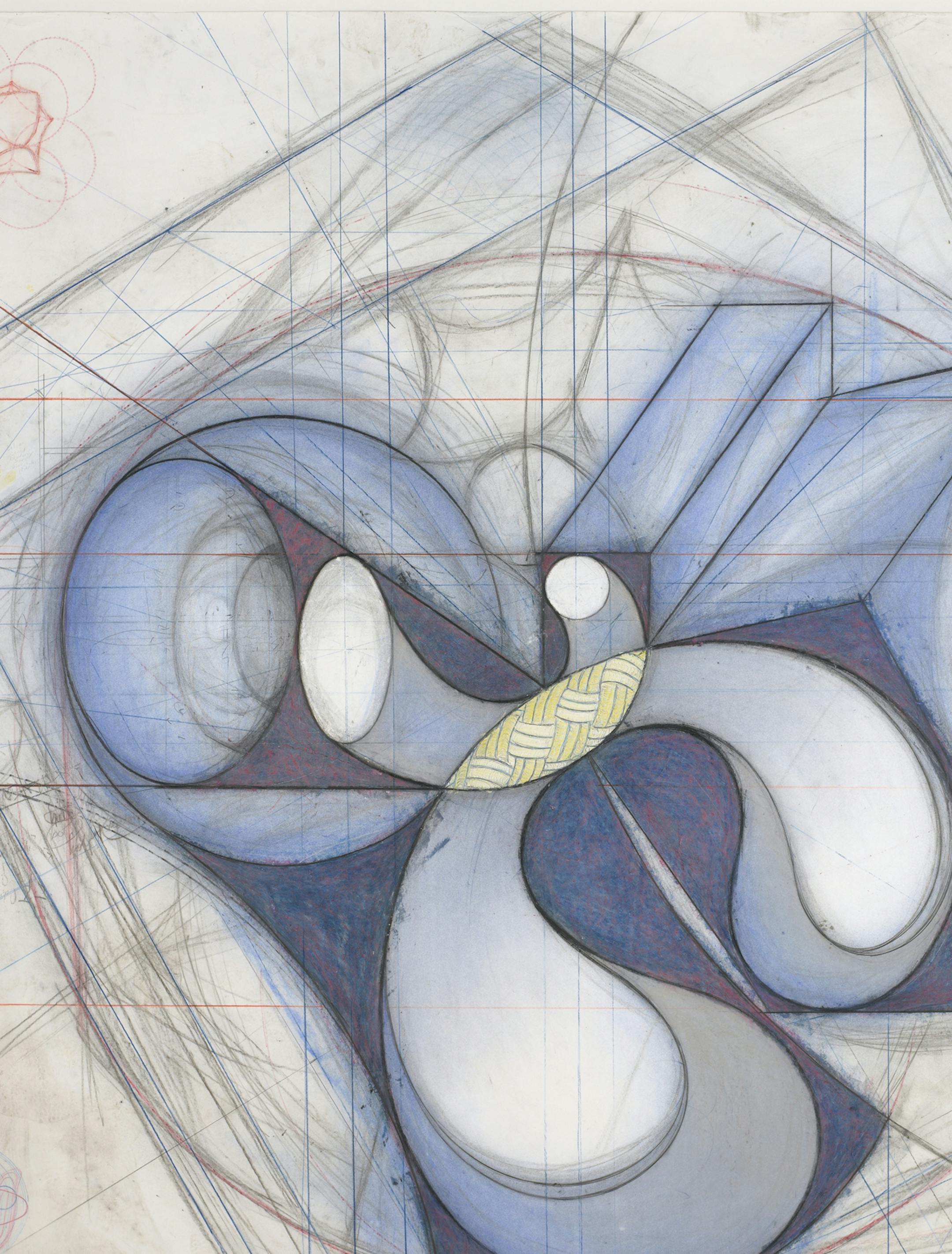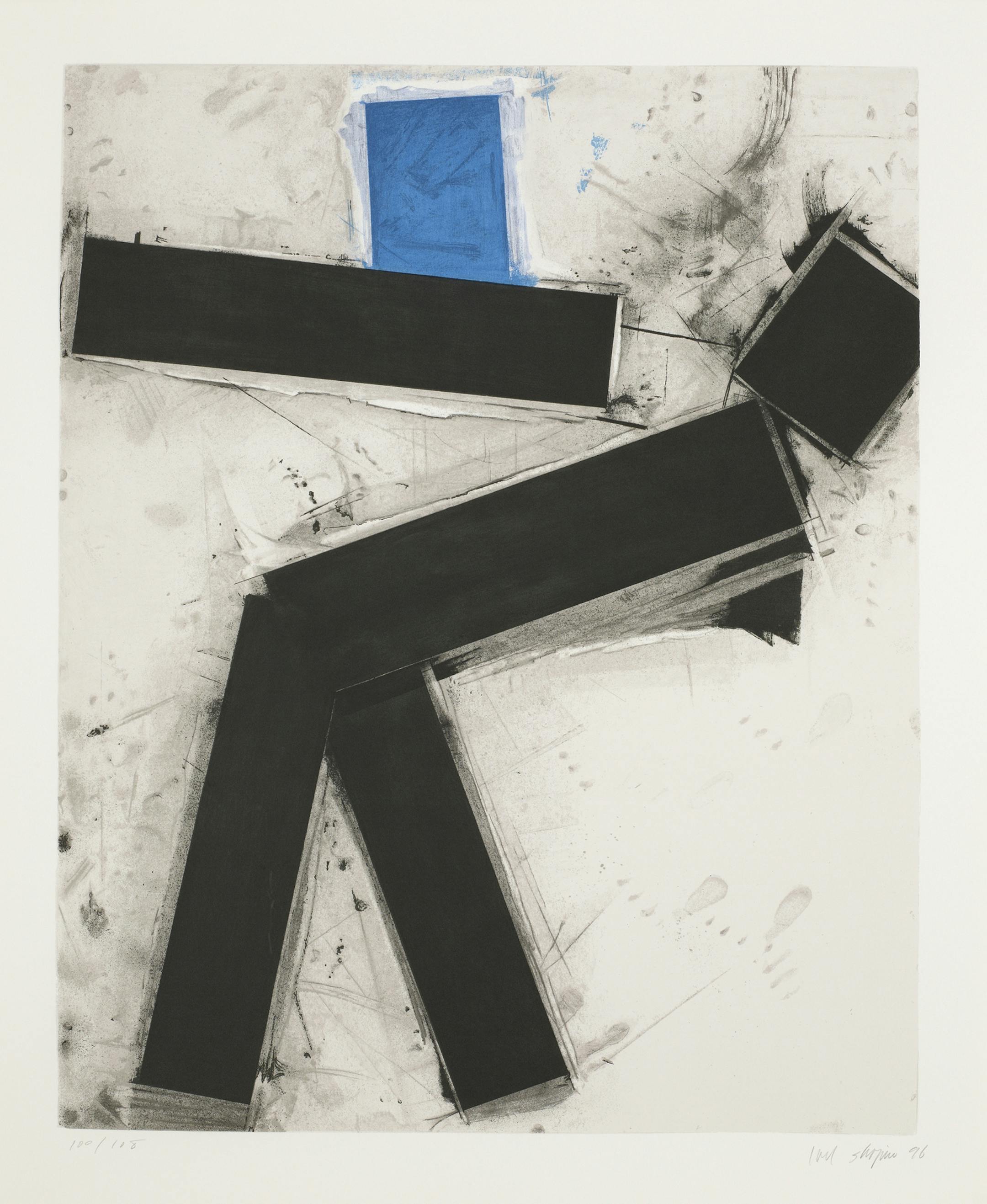
They're all here. Many of the top artists of the past 50 years are represented in "It's New/It's Now" at the Minneapolis Institute of Arts. With 125 prints and drawings by 64 contemporary artists, the show is a rich, wide-ranging survey of late-20th-century art, mainly by American talents. All are gifts to the museum from 35 collectors, primarily Twin Citians.
"This really is a celebration of our collecting community, which has been particularly generous in recent years," said Dennis Michael Jon, the museum's associate curator of prints and drawings.
Museums rely on the generosity of private collectors for the bulk of their holdings. That's especially true for the MIA's print and drawing department, whose 43,000 items span six centuries, from medieval and renaissance drawings to the present, with byways into illuminated manuscripts, artist-designed books, botanical prints and fashion illustrations.
"These gifts are especially strong in work from the 1980s and '90s," Jon added, noting that people tend to buy art by their contemporaries, so as a new generation begins to bequeath or donate their collections, the works involved are more modern.
Work by many of the gift artists has been shown at the institute over the years, but at least 90 percent of them have also been associated with Walker Art Center — from Andy Warhol and David Hockney to Jim Dine and Kiki Smith.
As time passes, however, these once-young turks have become 20th-century masters better suited to the institute's art-historical sweep.
Figuration and abstraction
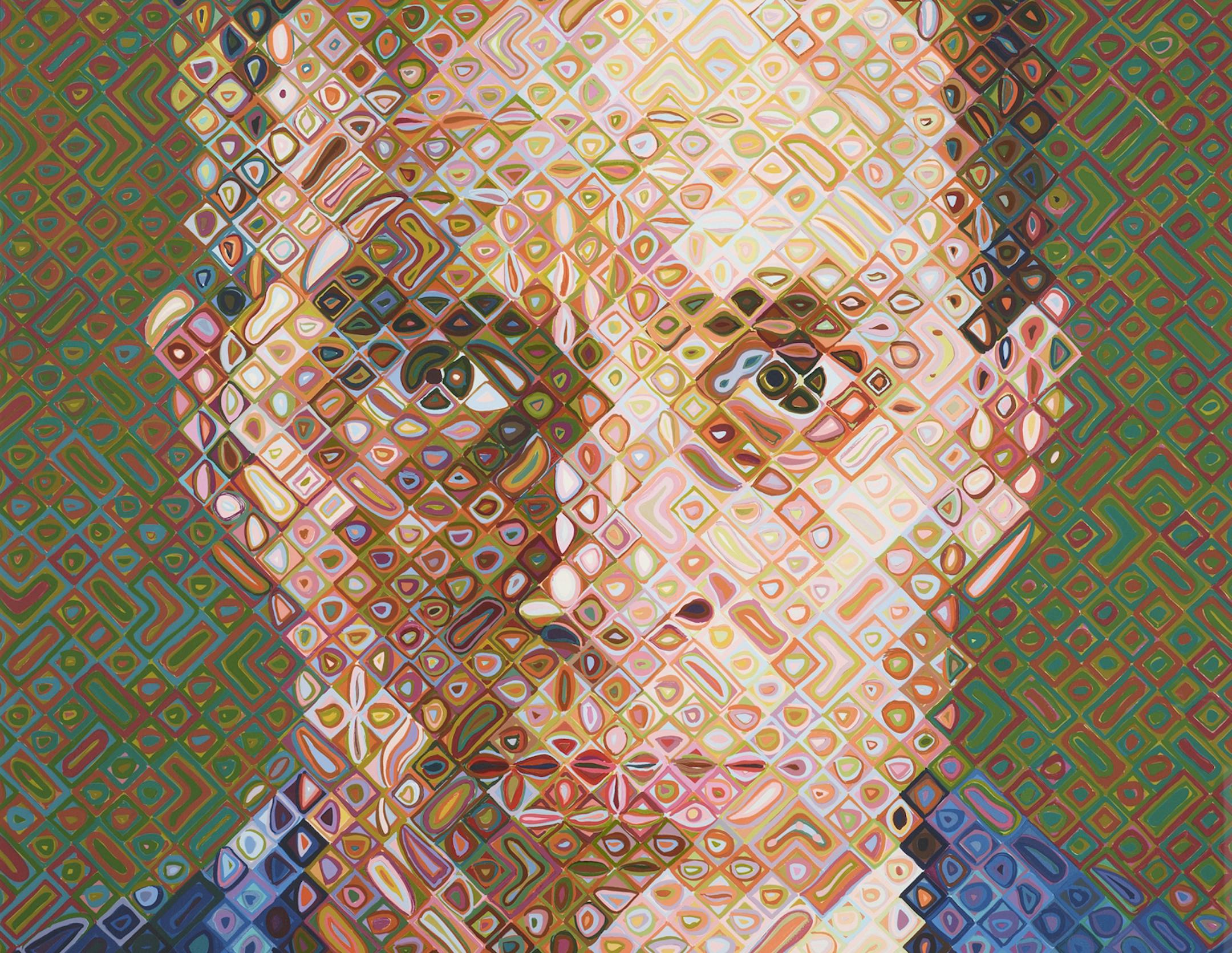
Occupying seven galleries, "It's New" begins with strong figurative imagery, including a 2004 portrait head more than 5 feet tall that Chuck Close composed from hundreds of multicolored squiggles and dots arranged in diagonal grids of pointillist color. A pair of 1982 watercolors show Dine at his most expressive, scraping and gouging the thick paper as he reworked the bruised torso of "Jessie," a favorite model.
"Pirate Jenny," a bold, green-and-black 1989 woodcut by Minnesota-based Fred Hagstrom, nicely complements Dine's dark angst, while Hockney counters it with his affectionate lithograph of "Celia in an Armchair" and his exuberant, cubistic "Image of Gregory." Opposite them, the bleak eyes of Mapplethorpe glower tragically from a 1989 photo-lithograph printed on gold leaf the year the artist died.