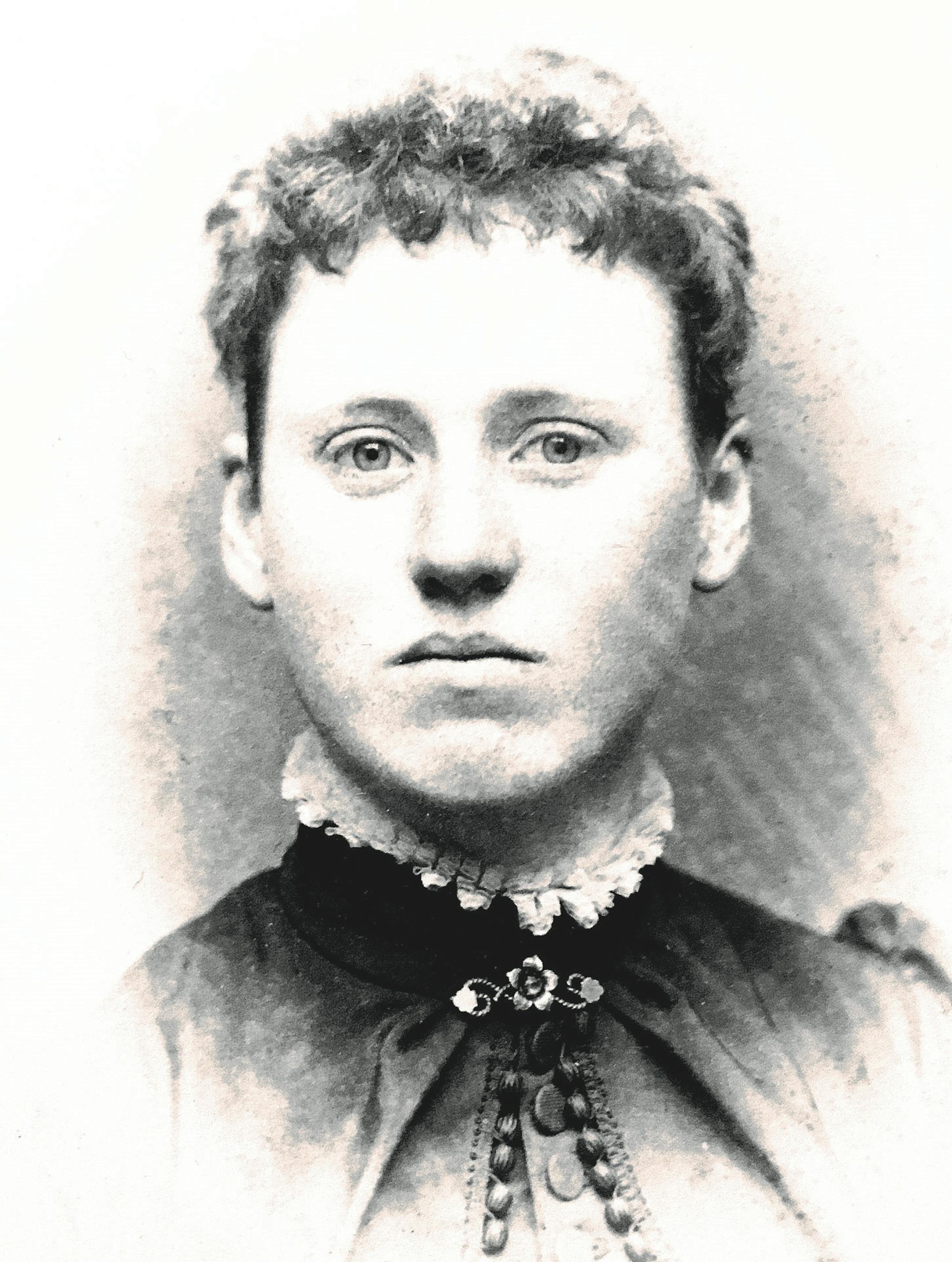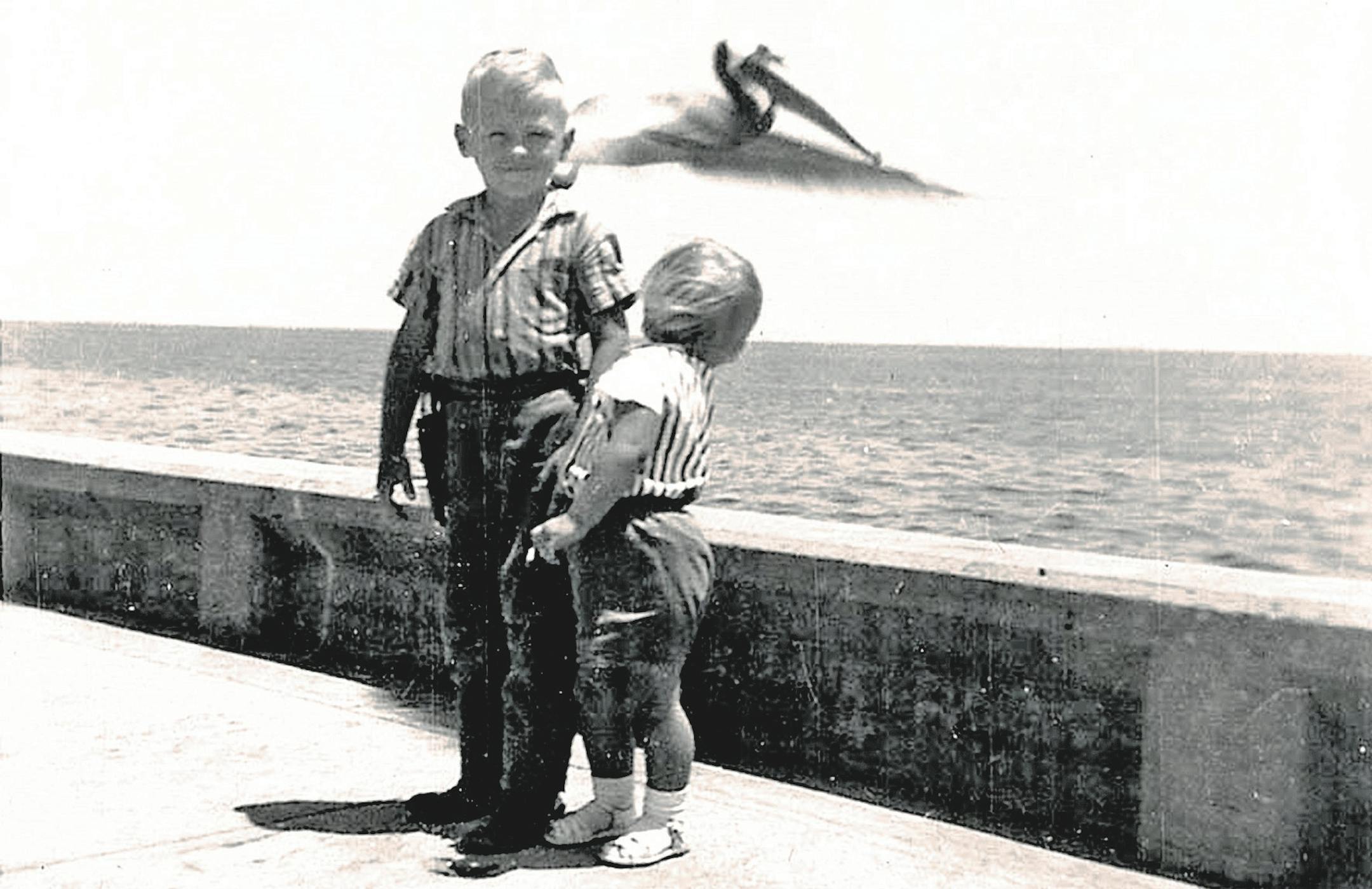
The antique-store clerk totaled up the prices of the orphaned photos: 50 cents apiece for the loose Kodak snapshots, more if it had a nice frame.
"My sister buys these old pictures whenever she sees them," the clerk said. "She hangs them in her house. She just feels so bad for them."
When you walk into a vintage shop and see a basket of pictures, your heart sinks a little: No one in that pile expected their picture to be stuck in with those of a hundred strangers. Someone inherited the pictures and didn't know who any of the people were. So they sold them off, turning everyone into orphans.
If you come across a pile of old photos, cut loose from albums, mixed up and sold cheap, keep in mind that you're looking at the development — if you'll excuse the word — of American photographic history. The pictures represent the eras from which they came:
Early studio portraits. No one ever looks happy. It's as if the photographer said, "Try to forget your toothache, and don't move for 30 seconds." In the 19th century, studios had head clamps that would keep the subject's head motionless for the required time, which explains why everyone's always staring straight ahead. Advances in film technology reduced the exposure times, but people were still grim: This was a solemn undertaking, a bid for posterity.
Sometimes people wrote down the names on the backs of the photos, but most didn't. Why would they? They knew who they were.
Early Kodak snapshots. The Brownie camera put photography in the hands of the masses and produced millions of blurry, off-center, overexposed pictures of Uncle Frank wearing a hat and a suit while standing in the yard with Bingo the dog.
The people are indistinct, their faces mere suggestions. It's hard to care too much about these pictures — until you realize that this might be the only photo that exists of a front yard in Newton, Iowa, on Sept. 27, 1918. Surely that counts for something.