

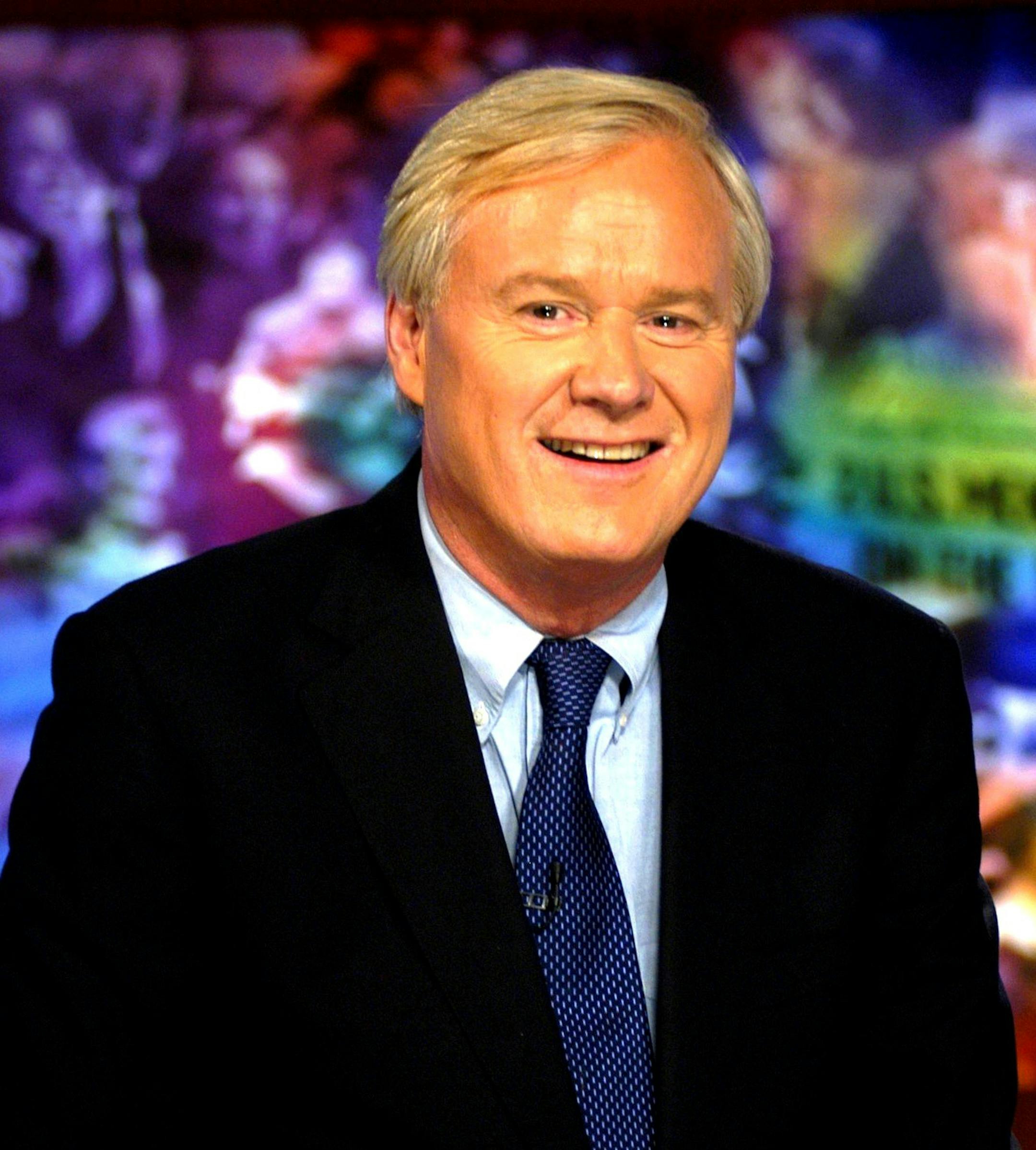
One political interview rarely has a significant impact on a politician's image or electability, but there are exceptions. Just ask Rep. Michele Bachmann. Her comments last month on "Hardball With Chris Matthews" that Barack Obama might have anti-American views and that all members of Congress should have their patriotism investigated triggered a sharp spike in financial contributions for her main opponent, Elwyn Tinklenberg. It also gave many Bachmann supporters a chance to bond over their disdain for MSNBC, a news organization that leans left.
In either case, the interview could be a game-changer. Here are 10 that already qualify:
Jacqueline Kennedy, "Tour of the White House" (Feb. 14, 1962): No, the First Lady wasn't running for office, but her behind-the-scenes tour, which aired on three networks, contributed mightily to the Camelot image and changed the relationship between TV and politics almost as much as her husband's debate against Richard Nixon. The one-hour show, in which Charles Collingswood asked questions about her White House renovation and sense of style, was the first prime-time special designed to court female viewers.
Richard Nixon, "Frost on America" (May 1977): Nixon tried to rehabilitate his tattered image with a series of sit-downs with the popular British personality. In the most revealing segment, Nixon talked about how he had lost purpose in life and opined on how the rich are the unhappiest people in the world. The exchange was so memorable that it was made into the hit play "Frost/Nixon" and a movie version, directed by Ron Howard, hits theaters in December.
Ted Kennedy, "Teddy" (Nov. 4, 1979): The third Kennedy to take a run at the White House had a decent chance to upset incumbent Jimmy Carter -- until he flunked a job interview. In this prime-time documentary, newsman Roger Mudd lobbed the softball question: "Why do you want to be president?" The senator took an 11-second pause -- infinity in TV time -- then slipped into a rambling "Why I Love America" essay that could have been written by a third-grader. So much for the Kennedy charm.
George H.W. Bush, "CBS Evening News" (Jan. 25, 1988): Bush changed his image from a featherweight to a heavyweight in a feisty, unedited bout against Dan Rather. Bush, the veep at the time, appeared live at the end of a five-minute piece on arms-for-hostages and immediately accused Rather of setting him up. Then it got ugly. Bush got off a punch about Rather huffing off the set during a tennis delay and the usually unflappable anchor never recovered. By the end, when Rather rudely cut off the Republican candidate, the results were clear: Bush in a knockout.
Michael Dukakis, "Nightline" (Oct. 25, 1988): To be fair, the Democratic candidate was a 10-1 shot just two weeks before the election. After sitting down with Ted Koppel, his odds were closer to 100-1. "With all due respect," Koppel said at one point, "let me suggest to you I still don't think you get it." He certainly didn't get the presidency.
Bill Clinton, "60 Minutes" (Jan. 26, 1992): The self-proclaimed "comeback kid" earned the title when he and Hillary faced Steve Kroft after allegations of a Gennifer Flowers affair came to light. Clinton admitted "causing pain in my marriage," but also accused the press of "gotcha" tactics. Going on the attack worked and his election turned around. If only Hillary had come off so well. Her line about "not standing by my man like Tammy Wynette" went over like an out-of-tune guitar.


