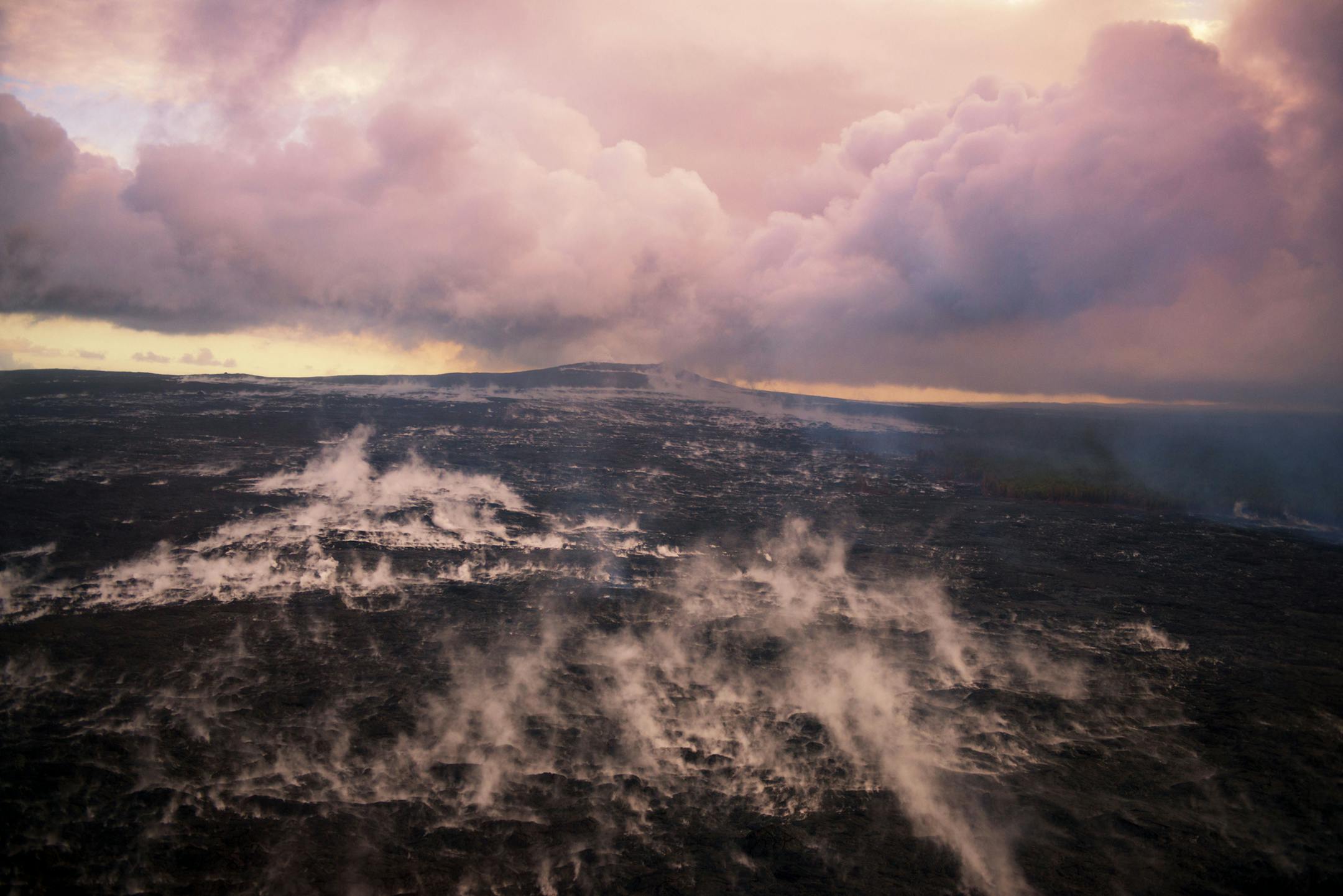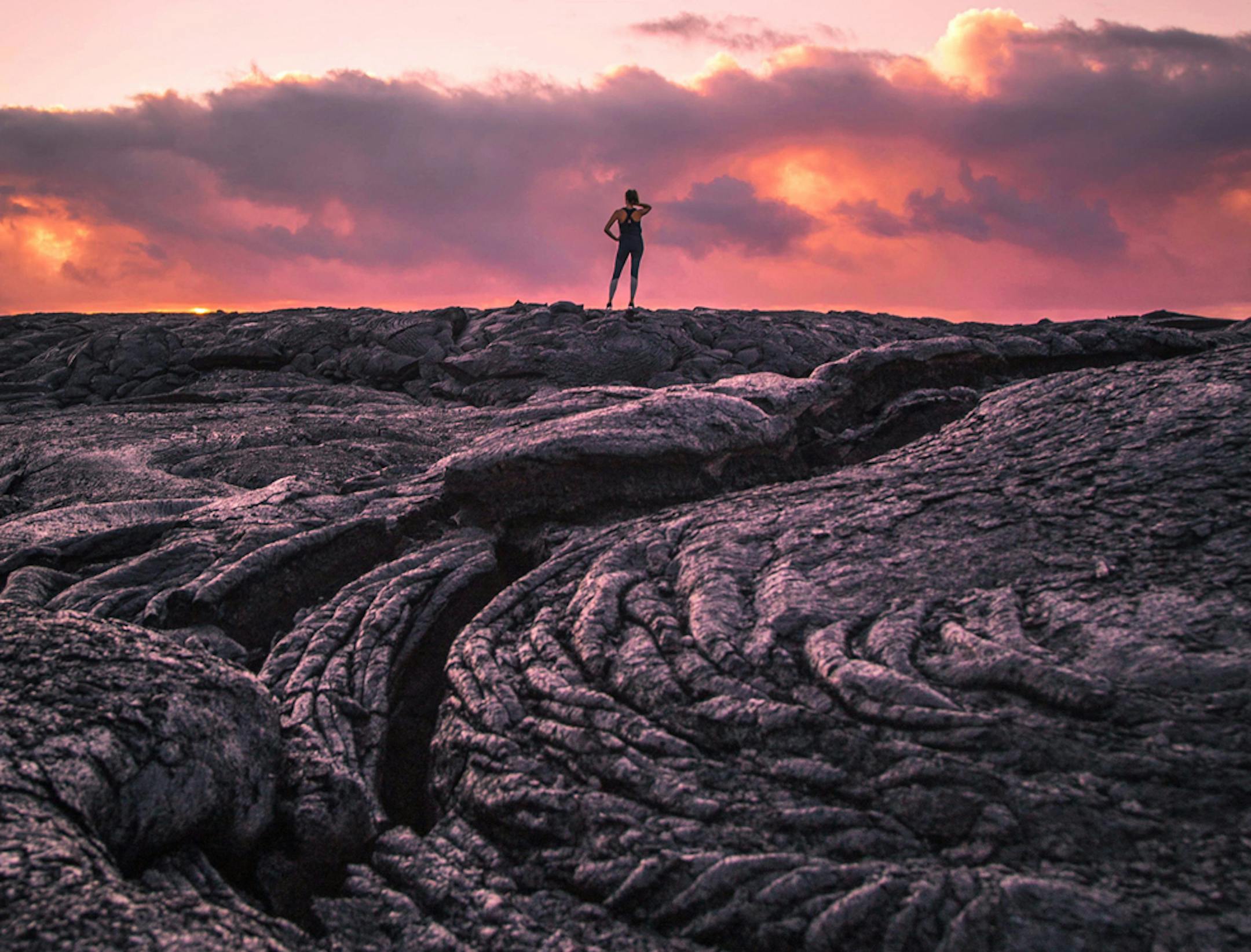
The info desk staffer at Hawaii Volcanoes National Park gave me a patient and slightly sad look.
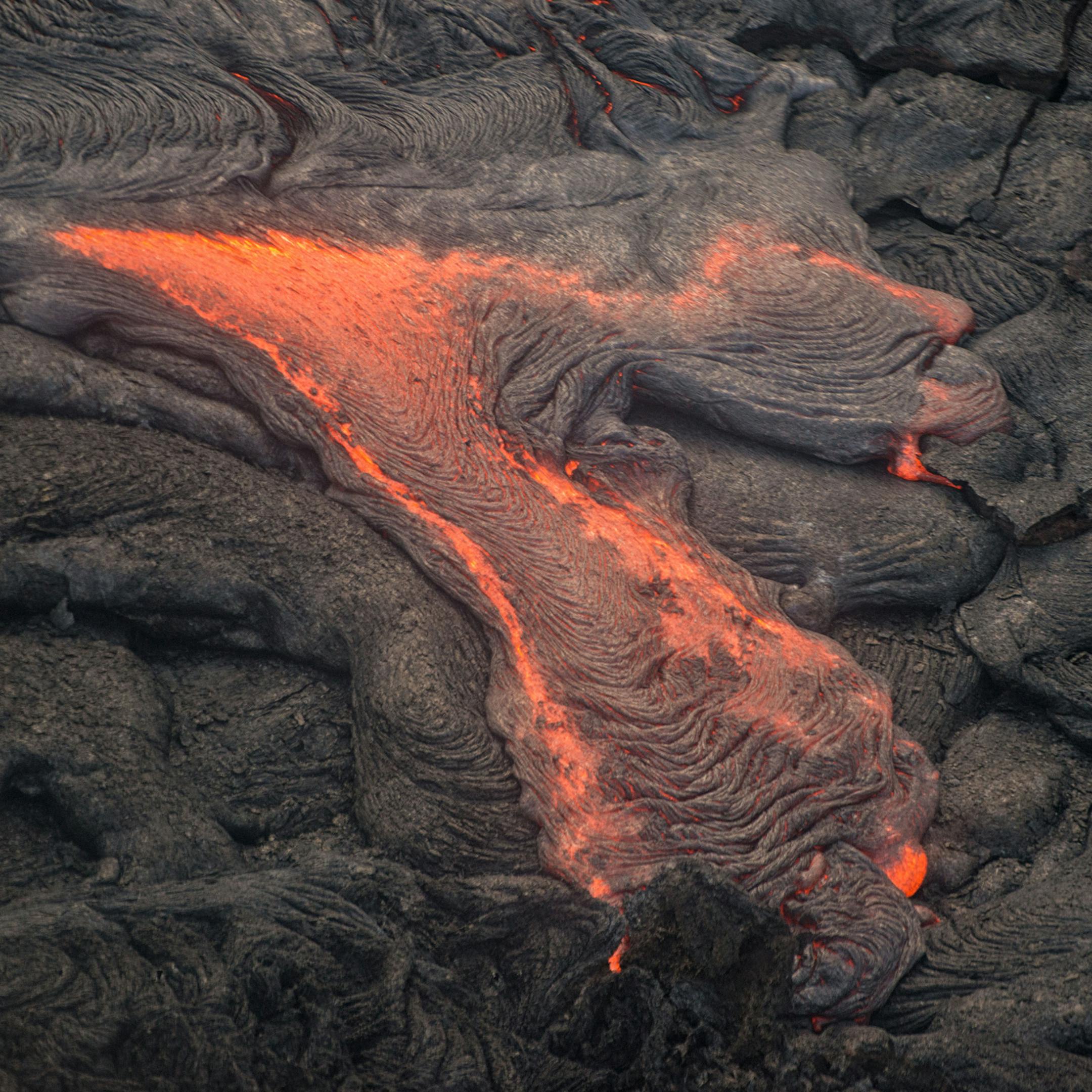
Yes, he could tell me how to get to the park's active lava flow. Yes, it was possible to get there before dark.
"But you might want to know," he said softly, as he traced the route on his topographical map, "a guide died there two weeks ago. People here are still getting over that."
It was mid-February on the Big Island of Hawaii, three months before Kilauea Volcano would burst into the news with dramatic video of lava spewing from fissures, destroying houses and roads. The eruption would close Hawaii Volcanoes National Park for more than three months and knock out a portion of the island's peak-season tourism revenue. But on most of the island, workaday life went on as usual. Kilauea has been active since 1983, adding more than 570 acres of land to the Big Island.
On an island known for its driving times — getting to many places on the two-lane roads took an hour or more — an active volcano on one side meant little more than extra haze elsewhere.
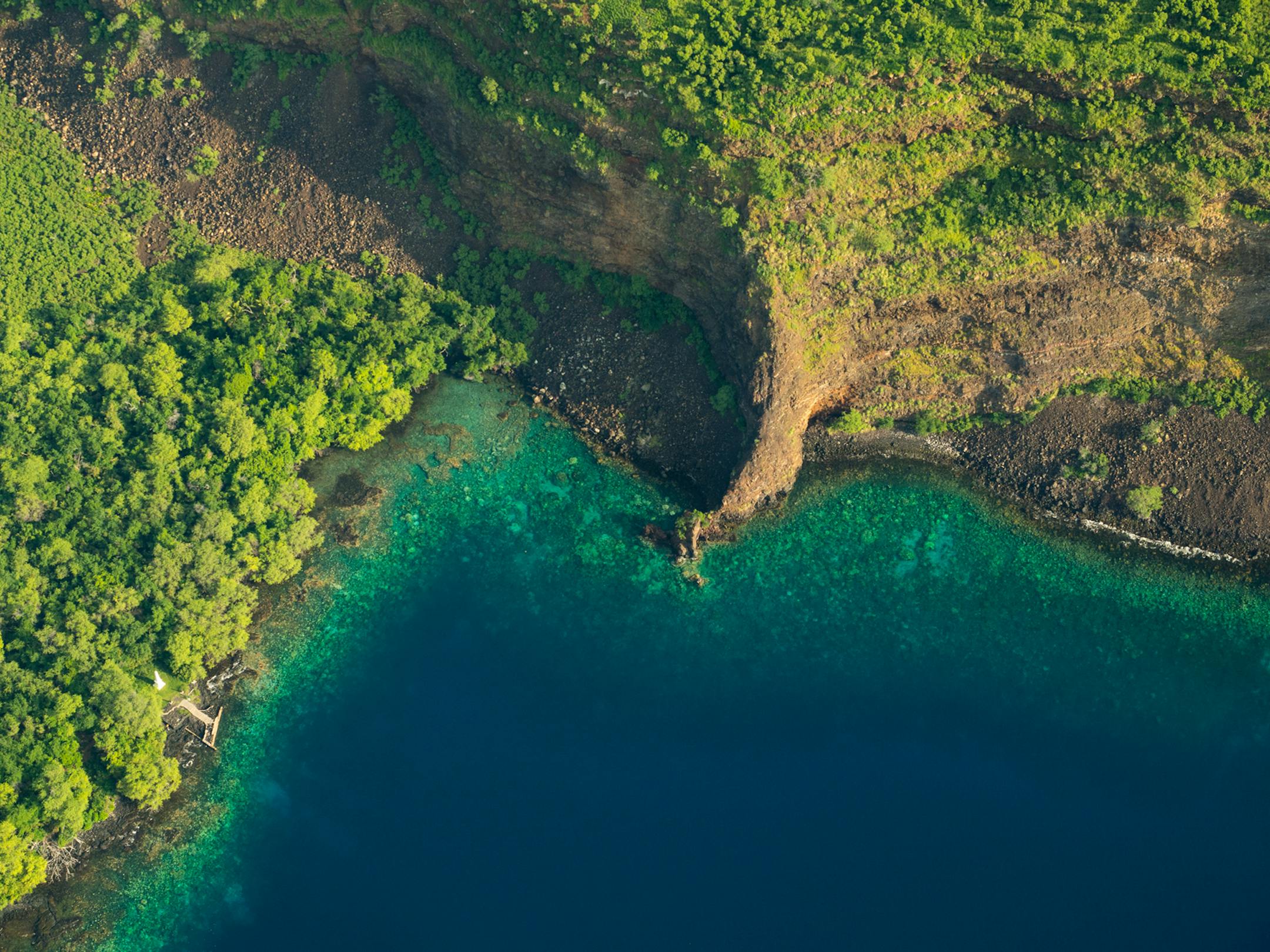
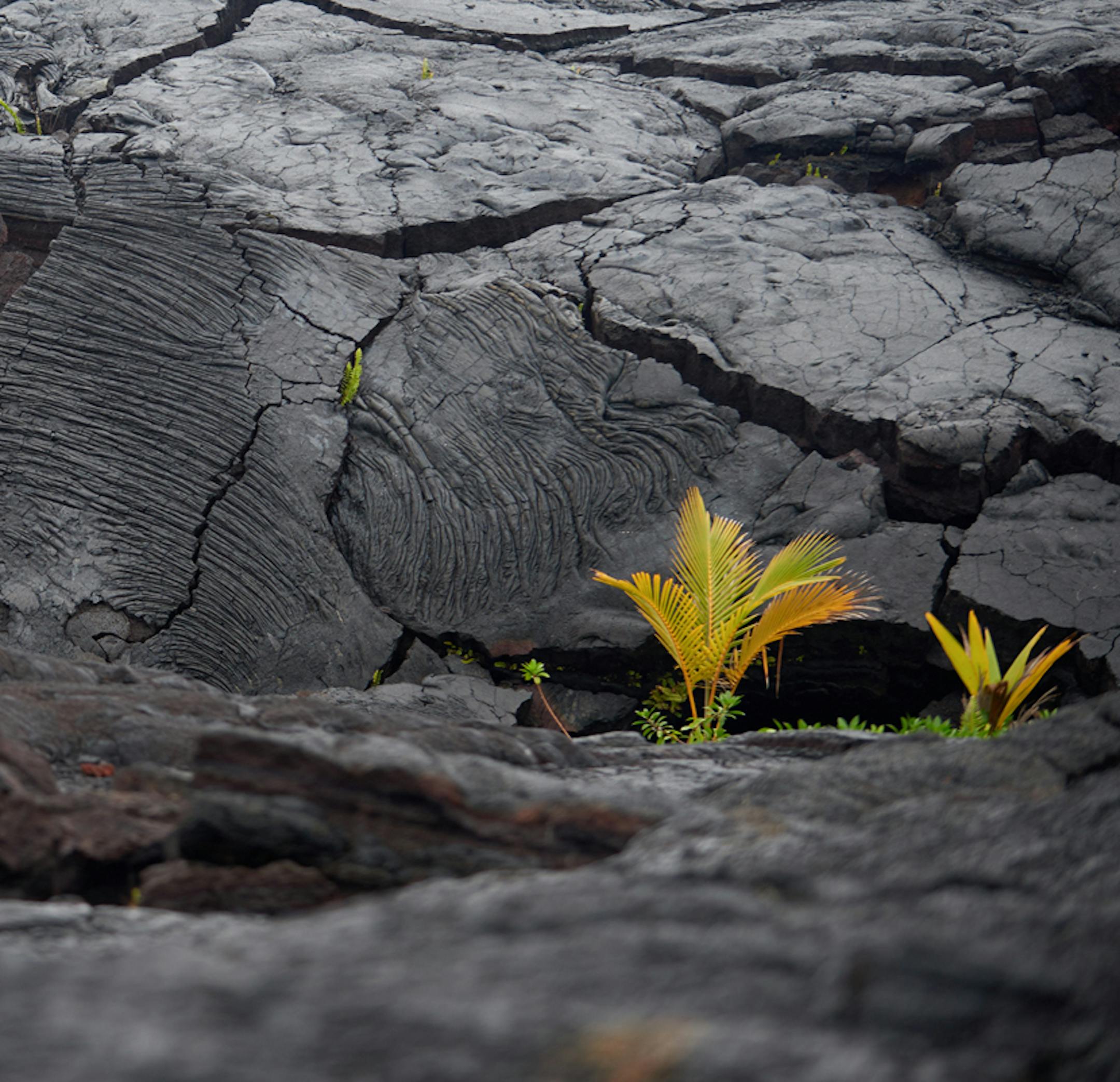
Everywhere we went on the Big Island, we found signs of an island still writing its geological story.
On our first day trip north of Kona, where we had rented a house for the week, the highway snaked through miles of black lava fields filled with jagged rock, boulders and smooth channels from old flows.
Further up the coast, we saw spiky grasses, scrubby trees and signs for wild donkeys.