

It is a quaint idiom, the honest mistake.
Yet honest mistakes — errors made unwittingly and without malice — are common in outdoor recreation. It is no surprise. The Minnesota hunting and trapping regulations booklet runs more than 100 pages. The fishing regulations booklet is nearly 100 pages. Separate regulation books exist for all-terrain vehicles (ATVs), waterfowl hunting and more. It is not difficult to trip into trouble while having fun.
"We know complexity exists," said Greg Salo, assistant director of the Minnesota Department of Natural Resources enforcement division. "In fact, our enforcement philosophy reflects that. Minnesota has invested heavily in public hunting lands, creating quality fishing, developing snowmobile trails and more. We don't want our enforcement actions to be the cold water that turns good people away from enjoying the outdoors."
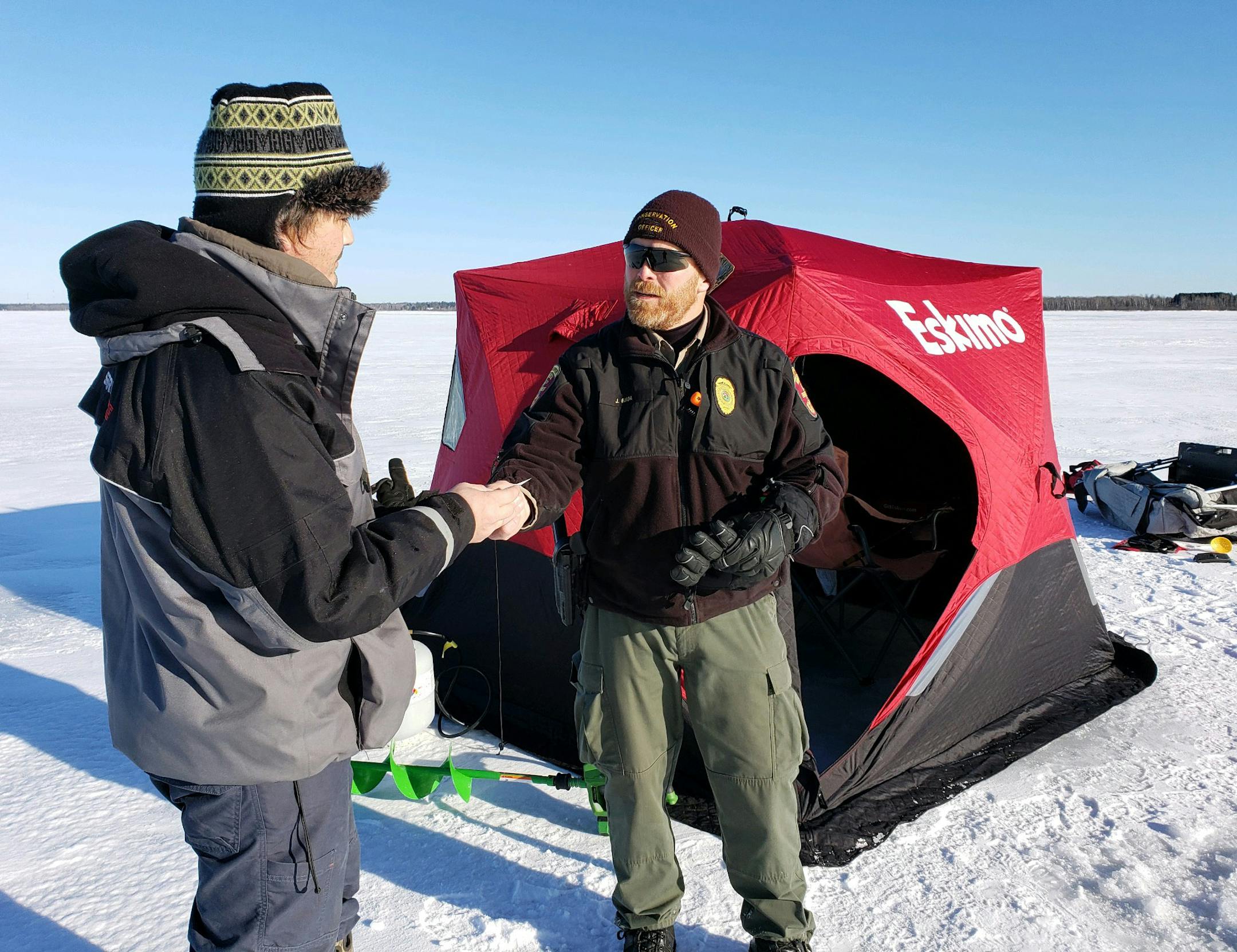
Enforcement statistics for 2019 have yet to be finalized, but the state's 160 field conservation officers are on track to issue about 16,000 verbal warnings and roughly 8,000 citations. This two-to-one ratio is similar to previous years. Anglers, boaters and ATV riders received the most warnings in 2019, respectively. Anglers, big game hunters and snowmobilers received the most citations, respectively.
"We issue far more warnings than citations because an overarching goal is to correct behaviors without negatively affecting participation," said Salo. "Still, anyone who intentionally tries to skirt the law has no reason to expect a warning. People who intentionally commit a crime — baiting deer, for example — deserve what they get."
Regulating all
Natural resource law enforcement is quite the kettle of fish. Angling. Boating. Camping. Deer hunting. Early goose hunting. The alphabetical list of outdoor recreation goes on and on, as do the rules that regulate each activity. State and national studies have consistently found that regulation complexity is not a significant detriment to outdoor recreation participation — work obligations, family obligations and lack of interest are the big drivers — yet regulations can be daunting, especially to new or infrequent participants.
"Regulation books are filled with things you don't need to know," said Salo. "If you're hunting grouse you don't need to know deer laws. If you're fishing walleye Up North you don't need to know trout regulations down south. Still, you do need to know the basics of the activity you're doing. If you're hunting ducks, for example, you better know how to identify what you've shot."

