

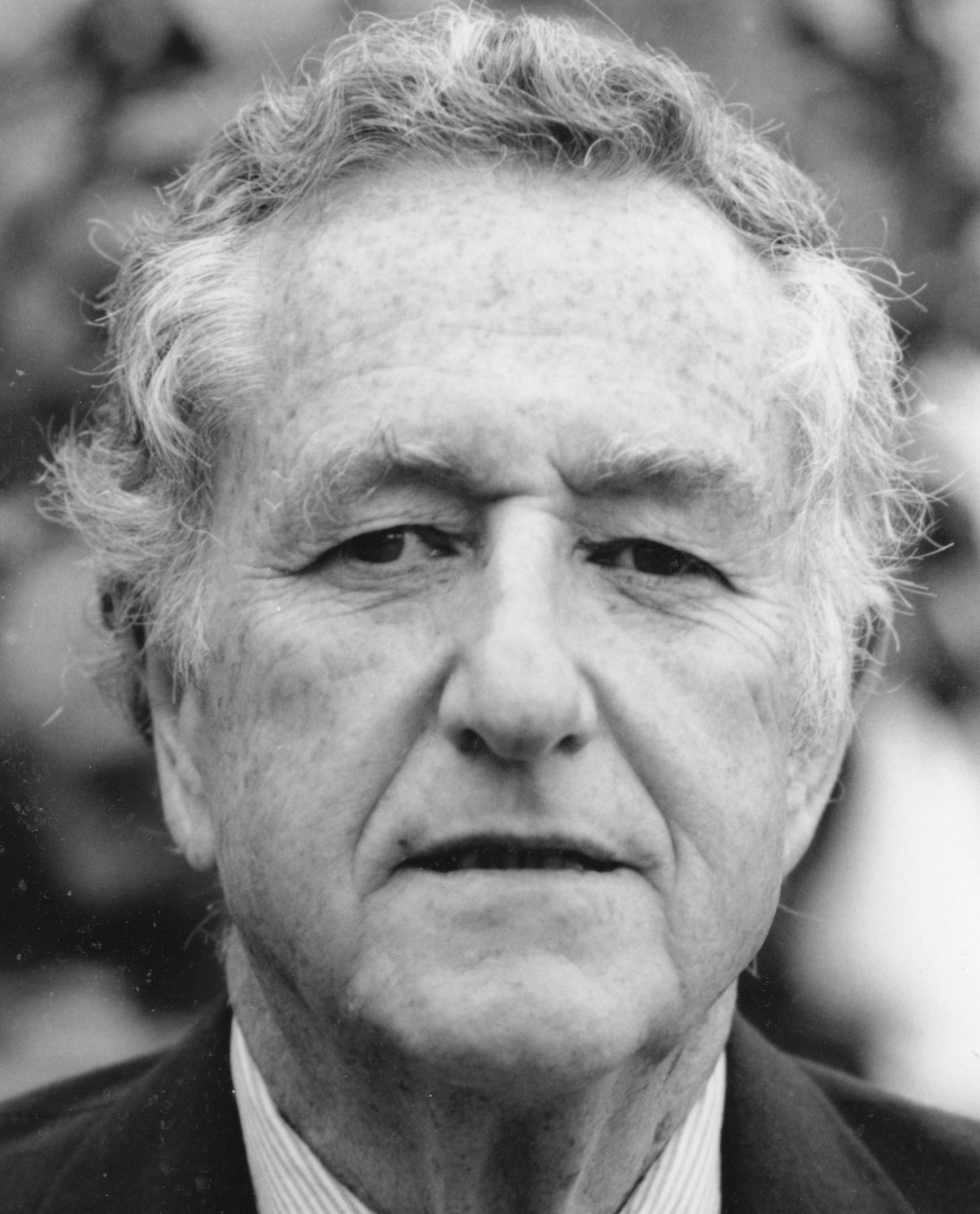
Burton Levin was the U.S. ambassador to Burma when he called his daughter at Carleton College as gunfire raged outside the embassy. It was 1988, during a violent government crackdown on student protesters.
"He held up the phone and I could hear everything," recalls Levin's daughter, Alicia Lee-O'Halloran, who was a Carleton student then. His response to the bloodshed, she recalls with pride, was to open the U.S. embassy gates "so the injured protesters could get in."
It was, she says, one of the more remarkable moments in a diplomatic career that spanned more than three decades and eventually led her father to Northfield as a political science professor at Carleton.
Levin, 86, died of cancer Oct. 31 at his home in Massachusetts.
At Carleton, he was known as a witty storyteller who used his personal experience to bring abstract ideas about international relations and the Cold War alive, said Prof. Al Montero, a colleague in the political science department.
"I know the students just loved him," Montero said. With his folksy style, Levin was able "to connect with 18-, 19-year-olds who don't have any living memory, obviously, of the Cold War," he added. "He enriched our curriculum by bringing his experience, his storytelling, his style."
Levin, who was born in New York, began his career as a globe-trotting foreign officer with the U.S. State Department in 1954, when he was posted to Taiwan. He met his wife, Lily Lee, there, and served in a variety of diplomatic missions throughout Asia before he was appointed U.S. Ambassador to Burma in 1987 by President Ronald Reagan.
Levin's son, Cliff Levin, notes that many diplomats' families spend their stints overseas in "a very comfortable little enclave surrounding an embassy." But his father loved to explore and took the family with him. "My father was curious about the local tenor," he said. "Just getting a real sense of the country beyond where the tourists would roam."


