

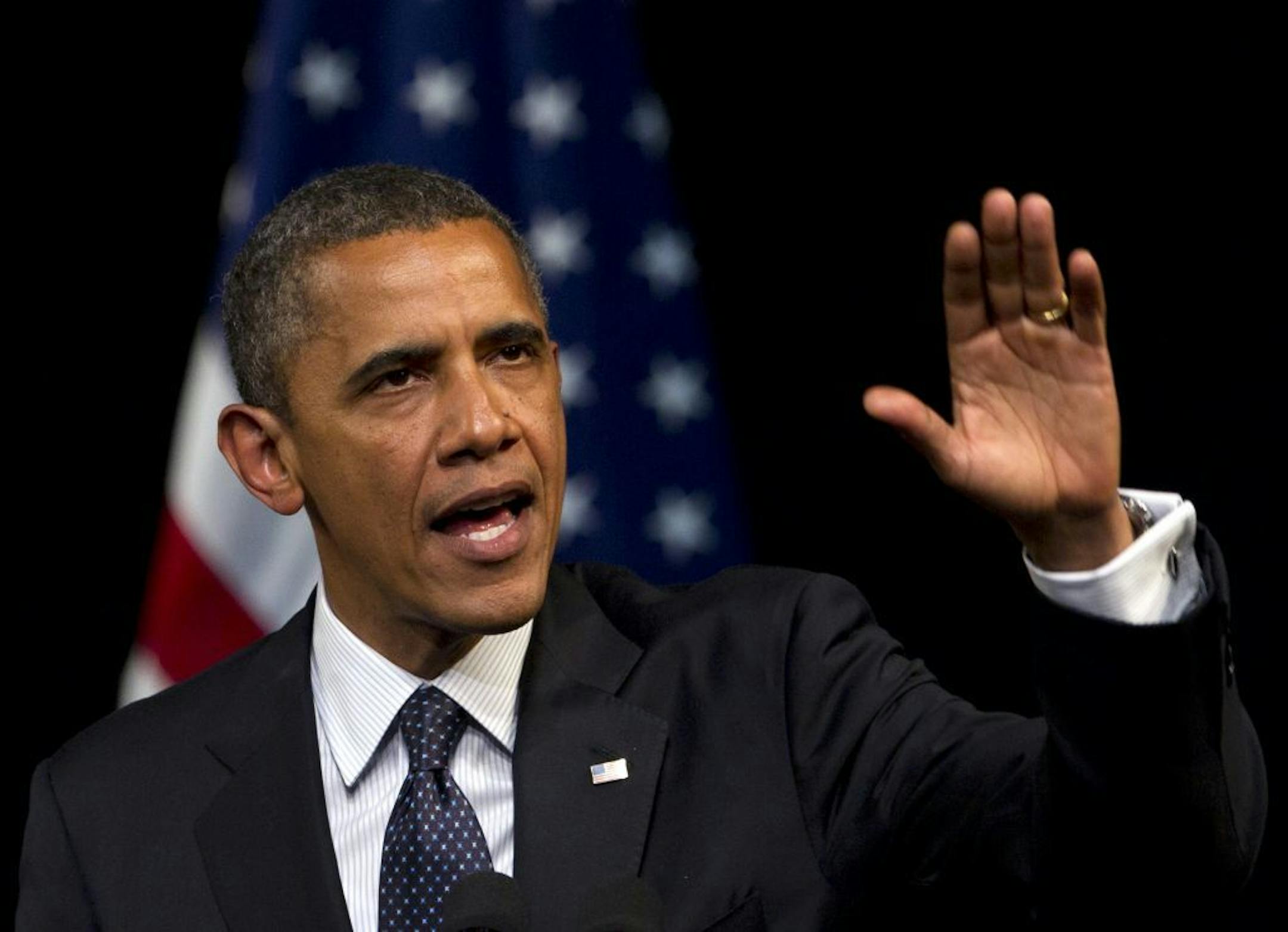
As President Obama prepares for his second term, he has the opportunity to shape America's economy for years to come. The tax, spending, regulatory and monetary policies he advances largely will define his legacy and will determine whether "Obamanomics" will be a term of praise or derision.
Three of Obama's recent predecessors offer some useful lessons. President Ronald Reagan's policies often are characterized only as deep tax cuts and big military spending increases. In fact, there were other vital components to Reaganomics, including anti-inflation monetary policy, investment and savings incentives, and regulatory reform. And just for good measure, Reagan was willing to use his political capital to strengthen Social Security, reform immigration laws and -- when circumstances dictated -- raise taxes as part of deficit-cutting initiatives.
President Bill Clinton enacted a balanced package of tax hikes (mostly on the wealthy) and spending cuts. He built bipartisan coalitions to expand trade agreements, reform welfare, cut capital-gains rates and contain government spending while continuing the easy-credit policies of the Federal Reserve. Clinton also resisted the urge to regulate the emerging high-tech industry, paving the way for Silicon Valley.
President George W. Bush pursued a different course. His across-the-board cuts in income tax rates featured little reform. Bush oversaw a huge expansion of government spending, including a new, largely unfunded prescription drug benefit for Medicare. Wars were waged, with the cost put on the national credit card. Meanwhile, policies of cheap money and lax regulations supported an economic house of cards.
Without question, presidents receive too much credit in good times and too much blame during the economy's dog days. Still, the economy responded in very different ways to the policies of these three presidents. Reaganomics helped produce a robust economy through much of the 1980s, and Clintonomics contributed to another sustained period of economic growth in the 1990s. Bushonomics left an economy in free fall.
More telling is the impact on the gross national debt. Federal debt as a percentage of the overall economy was steadily declining from President Harry Truman through President Jimmy Carter. That positive trend was reversed in the 1980s, when the national debt soared. Clinton put the brakes on debt and balanced the budget, but that success was short-lived. Bush's policies sent the debt on a steady upward march, one that continued through Obama's first term and now must be constrained in his second four years.
What are the lessons to be learned as President Obama begins a second term that will give lasting meaning -- for better or worse -- to Obamanomics? Three points stand out:
• Build tax reform for the next generation, not just the next political deadline. Investors, workers, savers, retirees -- all of us -- need long-term, predictable tax policy. "Tax the rich" doesn't get us there. Obama should take the Republicans up on their offer to reform the tax code, eliminating loopholes, making the system fairer and promoting investment and savings over consumption.


