

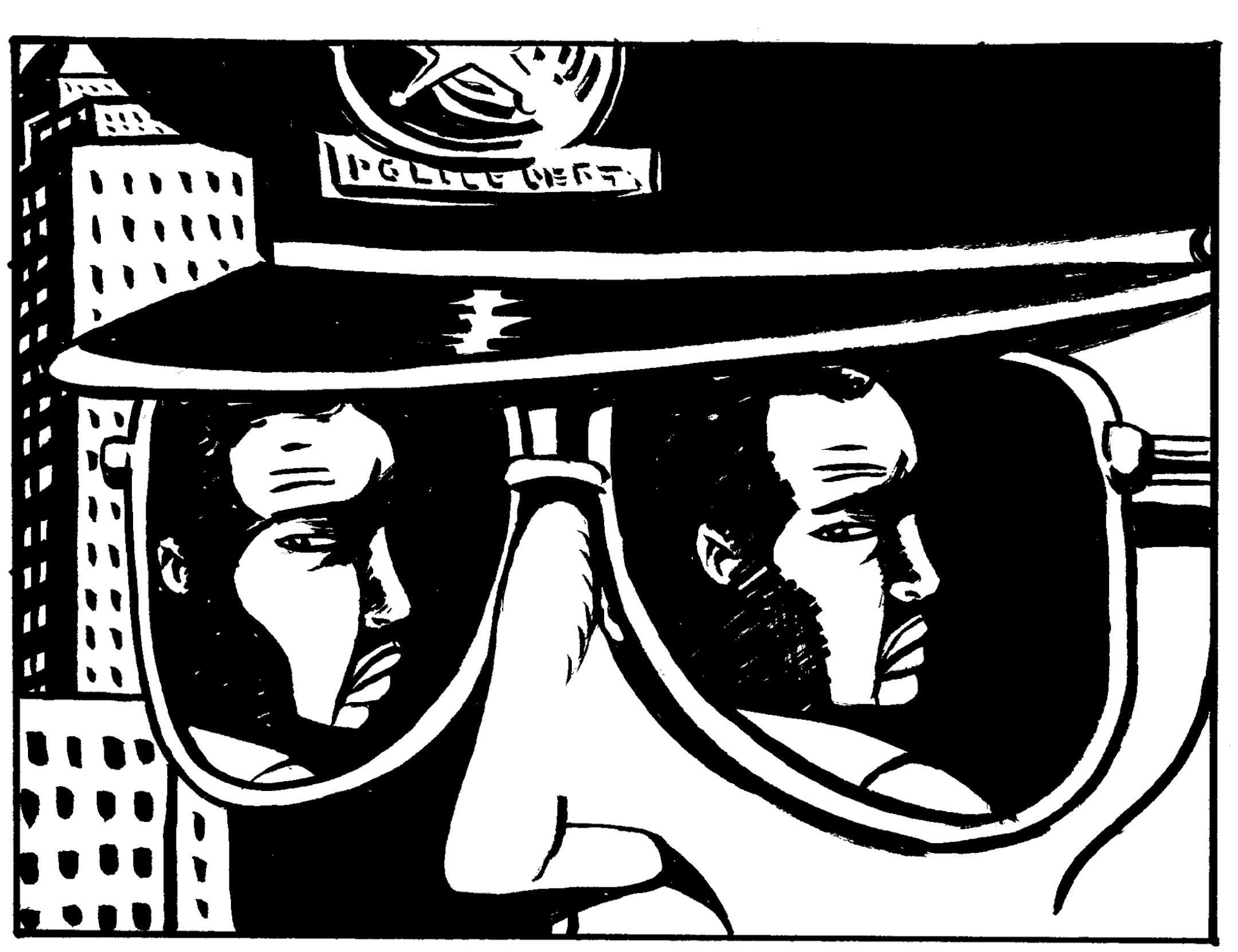
U.S. Attorney General Eric Holder has promised a campaign to end profiling "once and for all." This despite the fact that, as former New York City Mayor Rudy Giuliani recently pointed out, blacks account for a highly disproportionate amount of crime.
Black males are murdered at a rate of 31.7 per 100,000 — 93 percent at the hands of other blacks — while white males are murdered at a rate of 3.9 per 100,000.
Given these statistics, what is the difference between profiling and common sense generalizing?
We routinely judge the likelihood of threat and act accordingly. A cop who receives a report of an armed robbery — with no further information — would surely use his judgment about whom to scrutinize. Not the nun, not the 80-year-old with a cane, maybe the guy with the teardrop tattoo at the corner of his eye.
How could race not be part of this calculus?
The Rev. Jesse Jackson has admitted to racial profiling: "There is nothing more painful to me at this stage in my life than to walk down the street and hear footsteps and start thinking about robbery, then look around and see someone white and feel relieved."
While profiling is often characterized as pernicious and irrational, you can't get through the day without it. Countless decisions are based on, usually informal, statistical judgments. I am wary of pit bulls, not Pekingese or sparrows.
The curious thing about those who denounce profiling is that they have no problem doing so when it suits them. It's OK for black parents to warn their sons about cops, especially white cops. Is there a parent who fails to warn a daughter to be wary of men?


