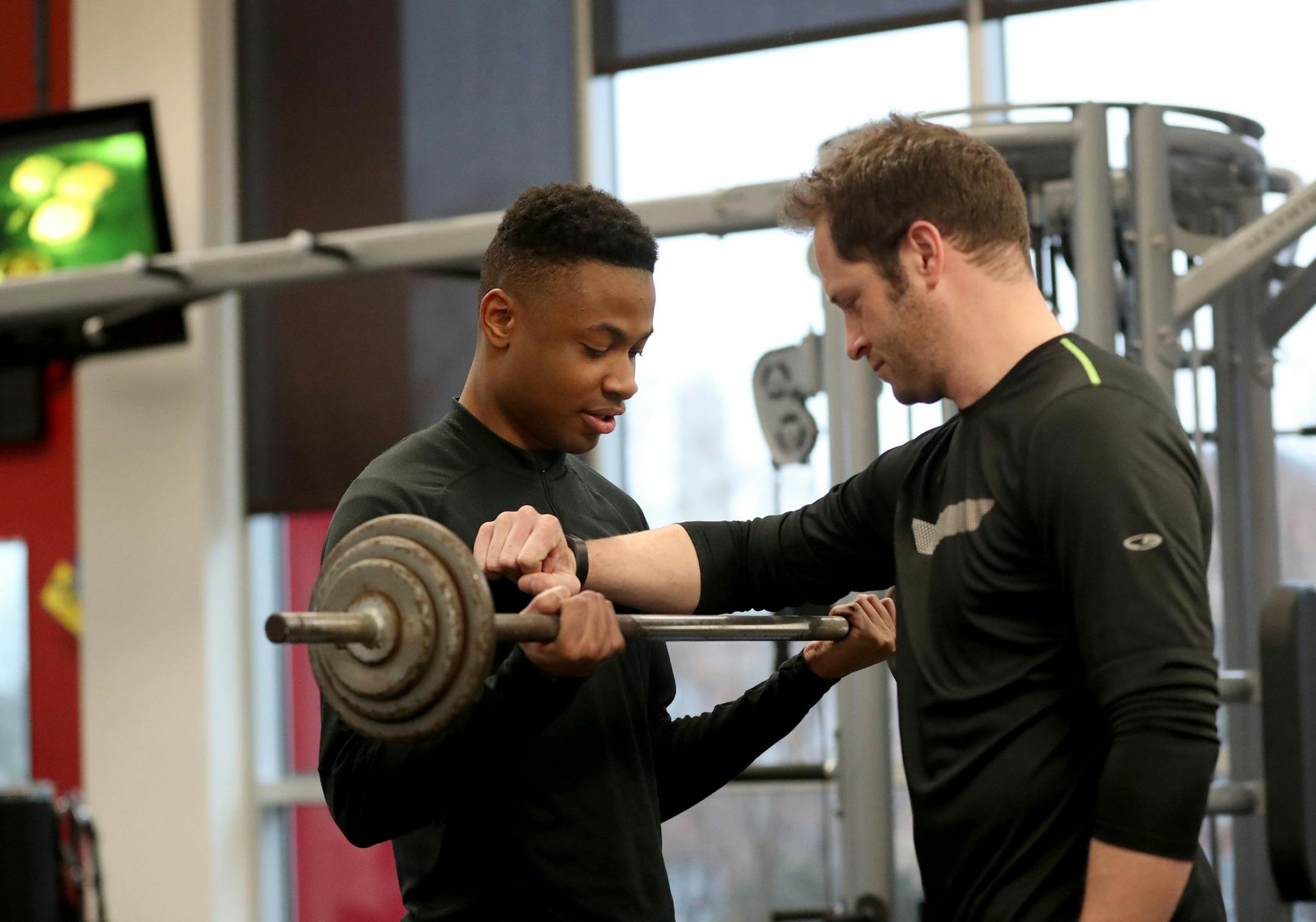
De'Rae Brown was 10 when he saw his alcoholic mother stand up in court and surrender her maternal rights. Over the next decade, he would move among two dozen foster homes.
At an age when other teens turn to their moms or dads to learn to drive, apply for college and find first jobs, Brown didn't have a parent to lean on. It was YMCA life coach Matt Smith who helped him track down his birth certificate, open his first bank account, land a job and weigh the pros and cons of joining the Minnesota National Guard.
The YMCA of the Greater Twin Cities is one of a handful of nonprofits partnering with the state and counties to offer specialized support and guidance to 18- to 21-year olds who grow too old for foster care.
"I don't think I would have ever figured it all out on my own," said Brown, 21, and now in the National Guard.
Every year in the United States, more than 23,000 teens age out of foster care without a permanent home or family. For years, foster kids turning 18 — many of them already vulnerable from neglect and abuse in their birth families — were pushed out of the system with little help.
According to a growing body of research, that often results in higher rates of unemployment, arrest and homelessness later in life.
In 2010, Minnesota, using federal funding and help from nonprofits, started offering extended foster care to 18- 21-year olds who were either working or enrolled in school. About 800 are enrolled annually in the voluntary program, in which young adults work with social workers and life coaches.
"We are trying different things to remedy this. It's been an area that had been neglected for a long time," said Jim Koppel, assistant commissioner for children and family services in the state Human Services Department.