

Sometimes small bits of legislative language make a huge difference. And for nonprofit organizations wishing to stay nonpartisan, a small tax bill change to repeal the Johnson Amendment that's being bandied about in Congress is such a case.
In a nutshell, current law restricts tax-exempt, charitable organizations from participating in political campaigns. Passed in 1954, the Johnson Amendment says organizations and donors that get tax benefits for doing good cannot turn around and use those resources to engage in election activities that would help or hurt candidatews running for public office.
That means no candidate or party endorsements, no campaigning and no political contributions.
And, you should know, Minnesota's nonprofits are scrupulous about adhering to this legal restriction.
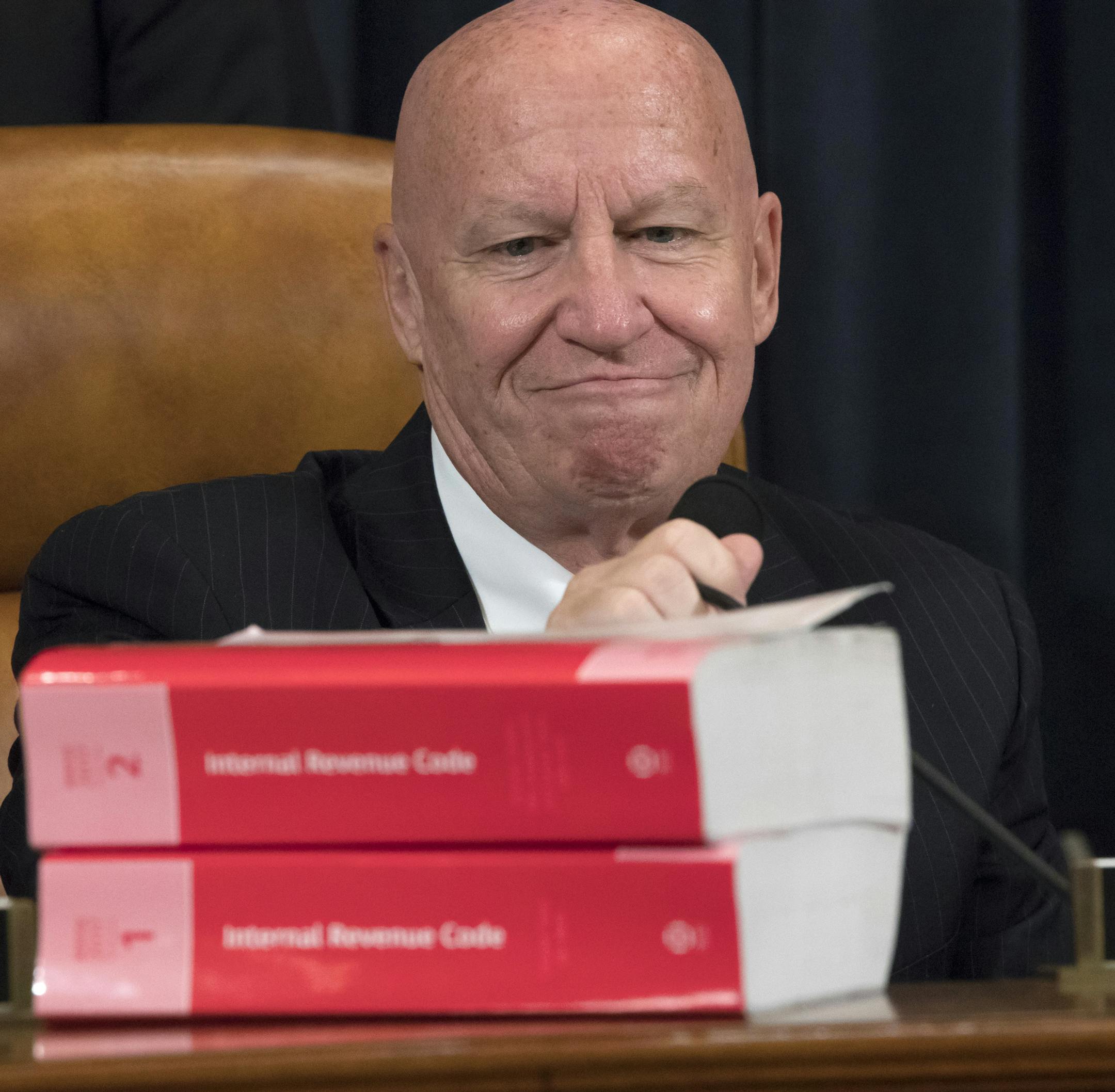
Before sending the tax bill on to the House floor where it was approved by the full House, Ways and Means Committee Chairman Kevin Brady, R-Texas, slipped in an amendment that would open the door for all charitable nonprofits and foundations to engage in political activity. Brady's amendment made a bad idea in the original bill, which weakened the Johnson Amendment only for religious institutions, even worse.
We stand firmly against any effort to repeal or weaken the Johnson Amendment for any type of nonprofit or foundation.
The repeal of restrictions on political activity for tax-exempt organizations is extremely problematic. It is projected that this change will prompt over $1 billion in partisan funding to flow through charities, diverting resources and attention from missions to politics. The government should not be providing exemptions for dollars used to campaign in support of or in opposition to a candidate for public office or a particular political party. Taxpayers should not be subsidizing electioneering.
Nonprofits and foundations didn't ask for this change. It was something proposed by a very small number of religious leaders. Chairman Brady and the majority members of the House Ways and Means Committee are ignoring the appeals of more than 4,000 religious leaders, 89 percent of evangelical pastors, and over 4,800 charitable nonprofits, houses of worship, and foundations, along with the Minnesota Council on Foundations and the Minnesota Council of Nonprofits — all of which are opposed to this change.


