The 2013 postseason will feature beards, Bucs and bygone Twins.
Less likely? Blowouts.
Not since 1995, when there were two fewer teams and a strike that erased three weeks of the season, have so few runs been scored in the major leagues as this year. And the teams that qualified for the playoffs did so by following that trend; the teams with the five lowest starting-rotation ERAs in the National League all qualified for the postseason, while the American League's playoff rotations all ranked in the top six.
Count on that theme to carry over into the postseason, which reaches the Division Series stage beginning Thursday afternoon. Each of the eight finalists has an ace, and some lucky teams have two or three, pitchers with established track records who are being relied upon to shut down the opposition and get the game to the bullpen with a lead.
But when every team has superstar pitching, who wins the ring? Maybe it's the Red Sox, who scored more runs than anyone. Maybe it's the Cardinals, who had better clutch hitting than the other 29 teams. Could be the A's, who own the most reliable defense. Or how about the Tigers, with the game's best hitter, Miguel Cabrera, in the middle of the lineup? And then there are the Pirates, back in the postseason after 21 years, making them America's favorite underdogs.
Here are five story lines to follow as the unpredictable postseason plays out:
Kershaw, Kershaw & Friend
That Clayton Kershaw was the NL's best pitcher this year is well known. It may come as a surprise, however, that the Dodgers own the second-best pitcher in the NL postseason as well. While Kershaw posted an otherworldly 1.83 ERA, Zack Greinke quietly built a 2.63 mark of his own, a half-run better than any other NL postseason starter. He hasn't given up more than two runs in a start since July. With each of them pitching twice per series, the Dodgers will put tremendous pressure on the other pitching staffs.
The relentless attack
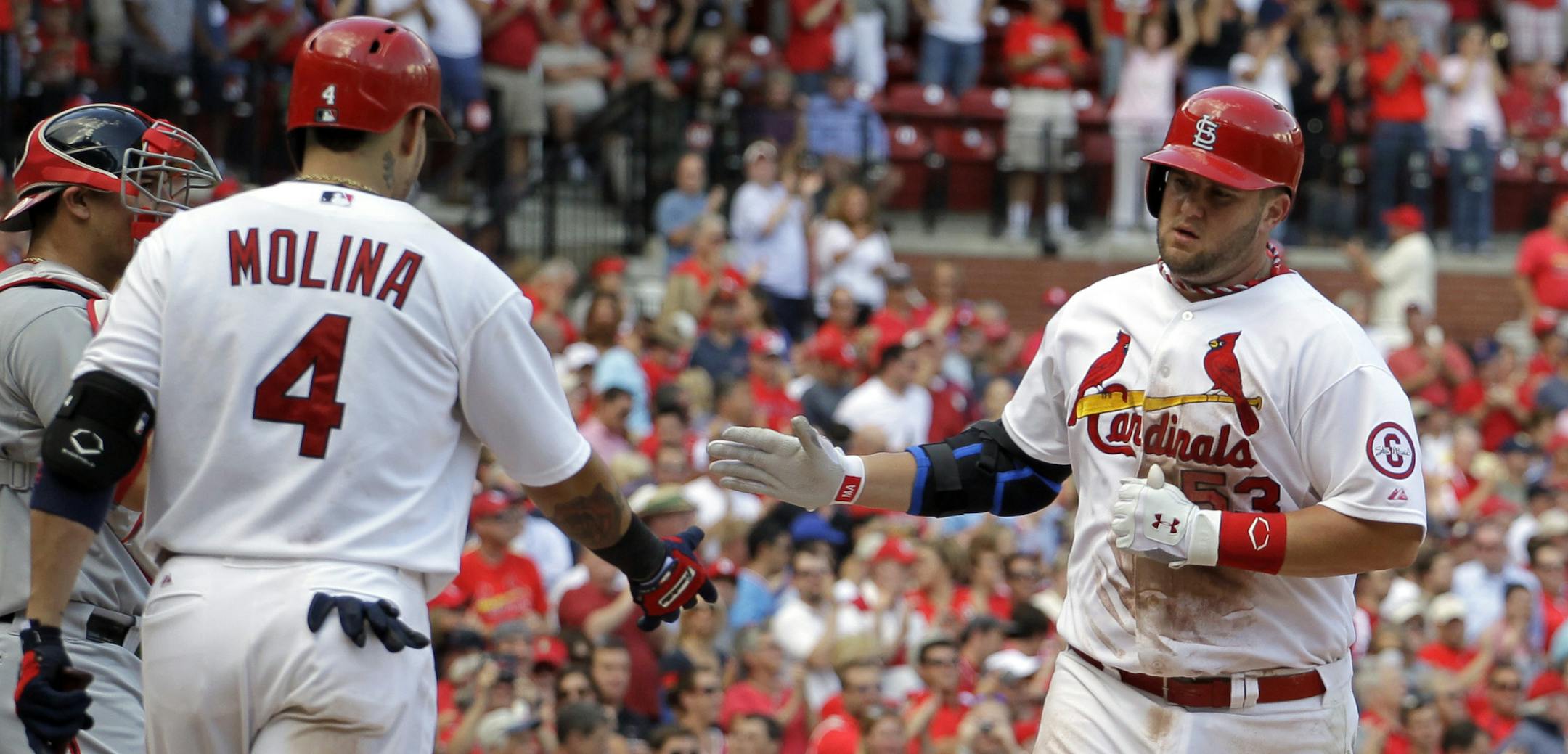
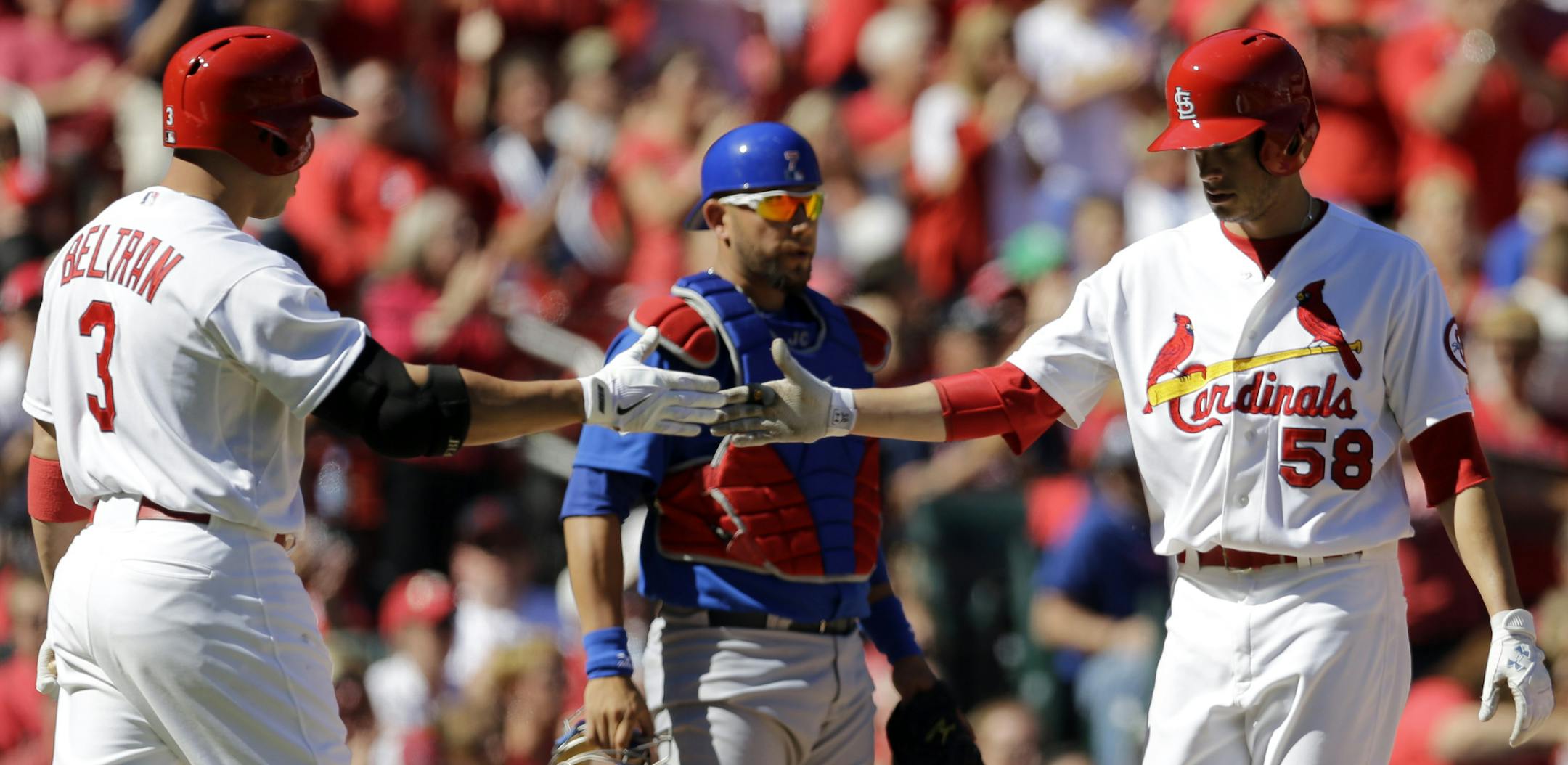
Without the benefit of a DH, the Cardinals operated an American League offense; they scored a whopping 77 more runs than the next-most-proficient NL team, and were the only NL team among the nine highest-scoring in baseball. They did it without a dominant hitter, too. No Cardinal reached 100 RBI or 25 homers, but an MLB-best five starters had 75 RBI or more. The secret? Their .330 batting average with runners in scoring position, far and away the best in the league. Taking advantage of opportunities is what makes a champion.