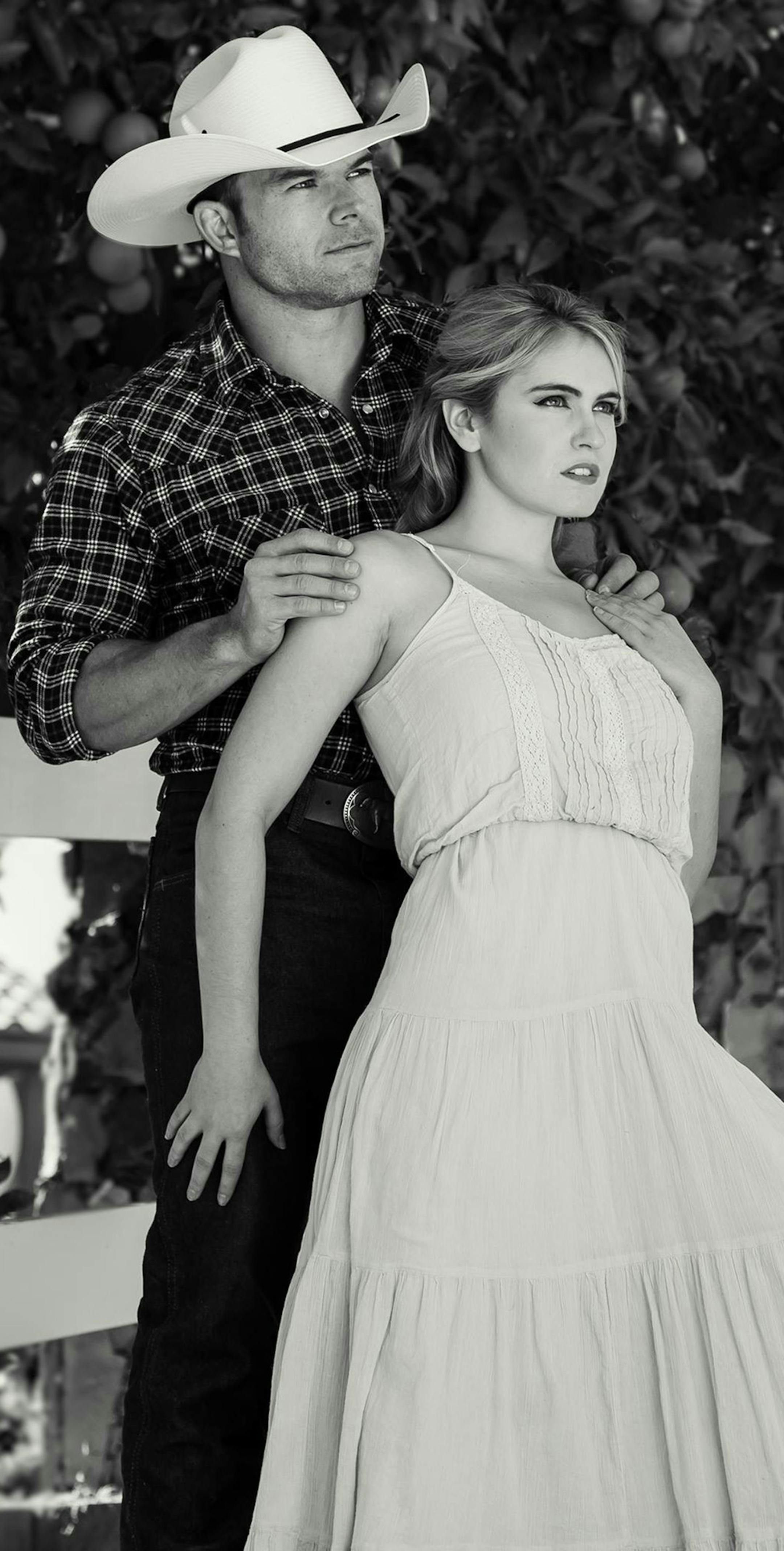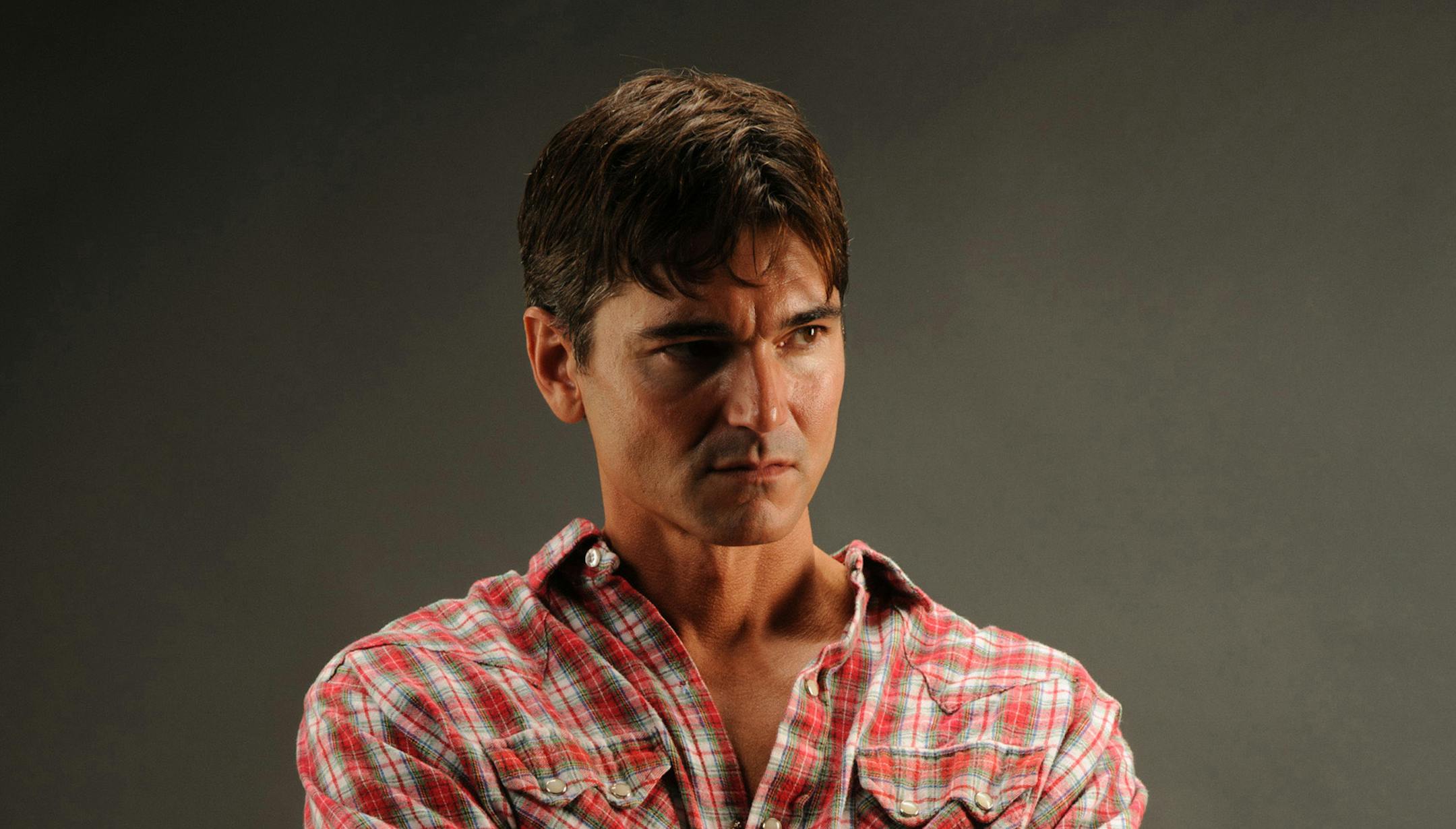
Ah, the much-maligned romance novel: the pretzel-like plot featuring a lovelorn protagonist falling madly for the hunkiest of hunks until the two eventually foray into a world of soft sensual delights.
And how about those covers featuring an impossibly attractive (and occasionally shirtless) bastion of virility? Is it any wonder that such artwork has a bad rap?
But the reality of what goes into making a romance cover is more complicated than the genre's detractors would have you believe.
Ask Erika Tsang, the editorial director of Avon, HarperCollins' romance imprint, and the first thing she'll tell you to keep in mind when looking at a romance cover is that it's a romance cover, and with that comes a certain level of expectation.
"Romances in general are female fantasy: If I'm going to have a fantasy, I want the best-looking guy ever, I want that very masculine, buff guy on the cover," she said. "You know what you're getting when you pick up a romance novel."
Readers who buy romances have helped create a billion-dollar-a-year industry, accounting for about 13 percent of all adult fiction sales. E-books make up almost 40 percent of that market.
"I used to say that we look to create a cover that is going to jump off the shelves, but these days actual shelves are diminishing," Tsang said. "We now look to have covers that jump off the screen, covers that are eye-catching and capture the attention of people who are browsing with the swipe of a finger."
As the act of book-buying has changed, so too have covers. Jacked dudes still grace the cover, but largely gone are the days of jackets featuring the streaked billowing hair of Fabio Lanzoni, et al., said author Jennifer Ashley, who has published more than 80 novels through traditional and self-publishing ventures.