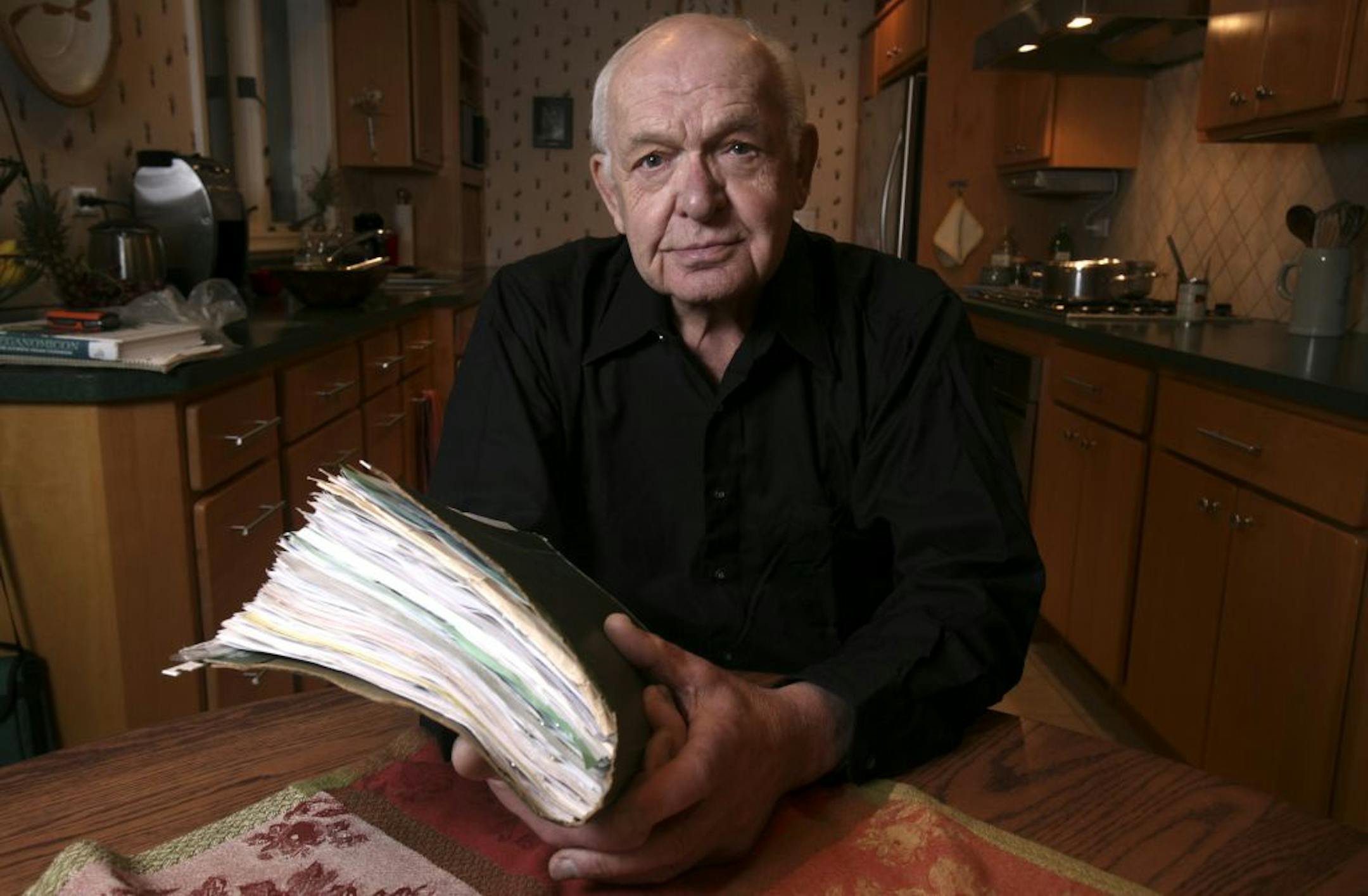
When Dean Di Tosto bought long-term care insurance in 1998, he believed he was locking in a low rate.
Now the 83-year-old Minnetonka resident feels duped. His insurance company, John Hancock, hiked the premiums twice in the past three years. The payments could go from $140 a month to $202 a month, a 44 percent increase.
"I understand the need for these increases," he said. "I'm not a dummy. But it should affect future new policyholders, not those of us who have already put in thousands of dollars. Many people can't go out and make more money to make up the difference."
Trapped between fast-rising costs for care and weak returns on their investments, insurers have been raising long-term care premiums by double-digit percentages in Minnesota and nationwide. John Hancock, one of many companies to seek increases from the state, secured average rate increases of 13 percent in 2008 and 40 percent in 2010.
Some worry that higher premiums will make people less likely to get long-term care insurance -- a potentially serious problem at a time when aging baby boomers' needs for long-term care are about to explode. Ultimately, that could force people to lean on government programs to pay for nursing-home care and other costs.
"We've identified it as a priority for our health reform cabinet," said Commerce Commissioner Mike Rothman, whose office regulates the insurance industry. "We're looking at it, monitoring it, and making sure that when those rate increases come in, that they're not exorbitant."
More than 180,000 Minnesotans have long-term care insurance policies, designed to help seniors pay living costs later in life without being forced to deplete savings or sell their homes. The average cost of care is about $48,000 a year, but nursing homes can cost $80,000.
Insurance pays a fixed amount of daily benefits for a certain period of time. Premiums are based on such factors as age, gender and health.