

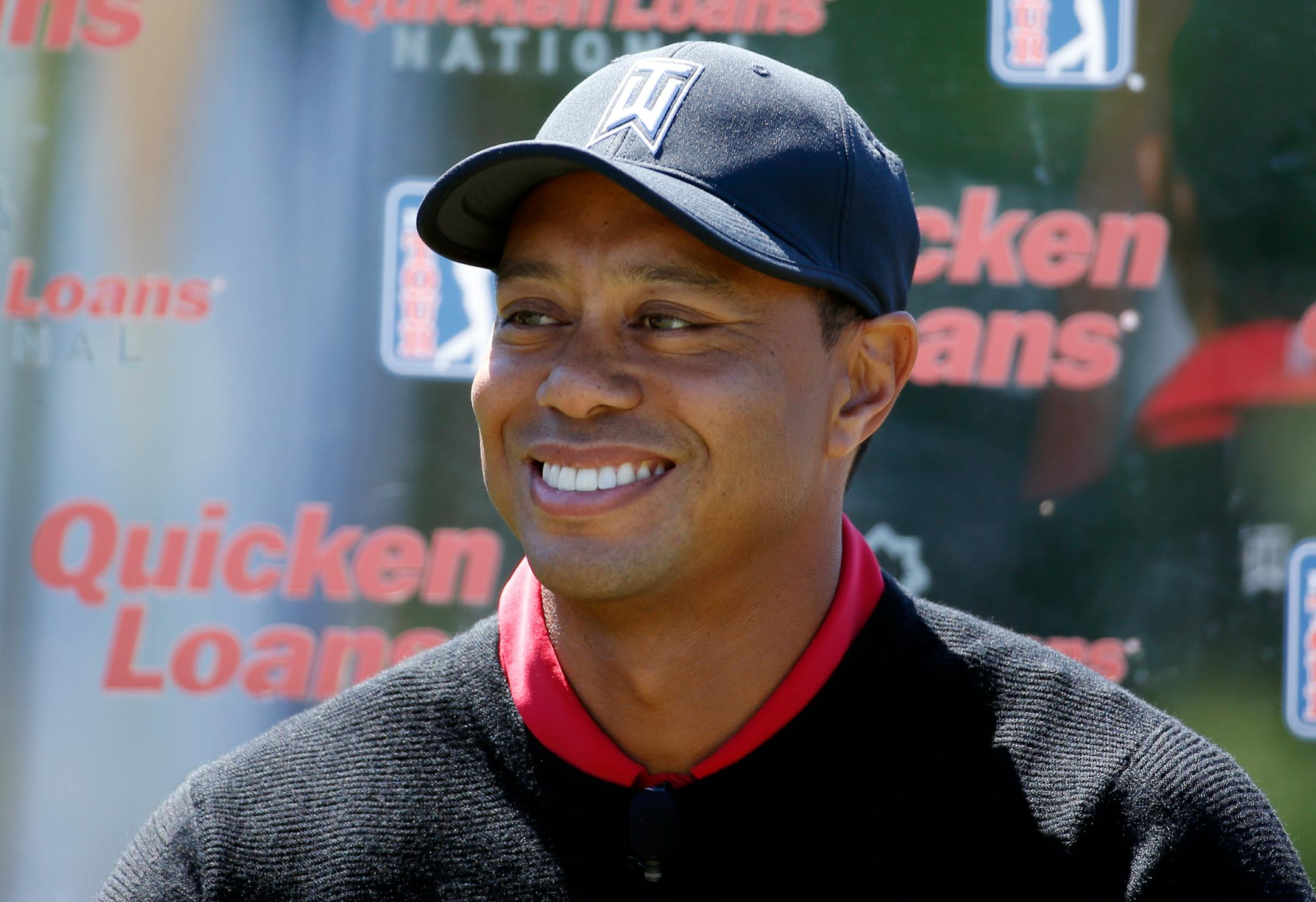
Phil Knight, co-founder of Nike Inc., was so enamored of a young Tiger Woods that the company began recruiting him three years before signing Woods to an endorsement deal at 20.
"You could see him coming from way back," Knight said in an interview with Bloomberg Television. The young golfer would occasionally play in the Portland, Ore., area, near Nike's headquarters, "and we'd always invite him and his father out to lunch."
It was the start of a long — and ultimately unprofitable — relationship.
Woods went on to become the greatest golfer of his generation, and Nike sought to benefit by selling clubs and equipment. But even the celebrity of Woods and his legion of fans weren't enough to make it break even, said Knight, who left the company's board last year. Nike exited the category a year ago amid Woods' fading star power and the sport's declining popularity.
"It's a fairly simple equation, that we lost money for 20 years on equipment and balls," Knight told interviewer David Rubenstein, host of "The David Rubenstein Show: Peer-to-Peer Conversations." "We realized next year wasn't going to be any different."
The foray into golf clubs was a failure eclipsed by Nike's many successes under Knight, who was chief executive until 2004 and remained chairman until last year.
The company went public in 1980 and emerged as the world's largest athletic brand. Now it's working to revive growth under CEO Mark Parker, who will deliver Nike's latest quarterly earnings on Thursday.
During an expansive interview that ranged from his upbringing to his current focus on philanthropy, the 79-year-old Knight described his start selling shoes out of the trunk of a green Valiant at track meets. He dubbed the company's transformation to a multinational behemoth his "work of art" and said the greatest skill he learned along the way was the ability to evaluate people.


